Kihei Maui Neighborhoods Guide: Beachfront To Residential
May 7, 2026
May 7, 2026
If you have started looking in Kihei, you have probably noticed something quickly: not every part of Kihei feels the same. One area may put you steps from the sand, while another makes daily errands easier, and another offers a quieter residential routine. Understanding those differences can help you focus your search, ask better questions, and choose a part of South Maui that fits how you actually want to live. Let’s dive in.
Kihei is not one uniform neighborhood. Maui County describes it as a roughly six-mile coastal stretch on Maui’s south shore, with development shaped largely by South Kihei Road and Piʻilani Highway.
That layout creates a series of micro-markets instead of one single experience. In practical terms, that means your day-to-day lifestyle can change a lot depending on whether you buy along the beachfront corridor, in the more mixed-use core, or in lower-density residential pockets.
Kihei’s setting also matters. Because it sits on Maui’s leeward side, it is generally sunny and dry, but the coast can still be affected by seasonal swell, kona storms, hurricanes, and shifts in trade winds.
For buyers, that mix of sunshine and coastal exposure is part of the appeal, but it is also part of the decision-making. The closer you get to the shoreline, the more important property-specific due diligence becomes.
The beachfront side of Kihei centers along South Kihei Road near Kalama Park, the Kamaole beach parks, Keawakapu, and other oceanfront stretches. County planning materials point to this corridor as a place with commercial services and visitor amenities, which helps explain why it often feels active, convenient, and beach-focused.
This part of Kihei tends to deliver the classic South Maui lifestyle many buyers picture first. You are closer to beach access, ocean views, and an amenity-rich setting that supports time outdoors.
County facilities help show what that looks like on the ground. Kalama Park includes athletic fields, courts, a skate park, picnic pavilions, and beach access, while Kamaʻole Park I offers lifeguards, showers, parking, and picnic tables, and Keawakapu I has swimming access, showers, and parking across the street.
Updated South Maui planning language describes Resort/Hotel areas as medium- to high-density, visitor-oriented districts. These areas can include transient accommodations, retail and commercial uses, and other visitor amenities.
For many buyers, that means beachfront inventory is often more condo- or resort-style than detached single-family homes. If your priority is a lock-and-leave setup, shared amenities, or direct access to the shoreline lifestyle, this category may stand out.
The biggest tradeoff near the shoreline is complexity. Maui County’s 2024 shoreline rule update ties erosion setbacks to projected erosion associated with 3.2 feet of sea-level rise, and some properties may also involve flood-related review.
County guidance notes that development in FEMA special flood hazard areas may require a Flood Development Permit. Shoreline hardening can also require a variance, so it is wise to confirm setback, flood-zone, and zoning details directly with the county for any specific property.
In simple terms, beachfront Kihei can offer the strongest beach-centered lifestyle, but it may also come with more exposure, more rules to verify, and more maintenance questions. That does not make it a poor choice. It just makes parcel-level research especially important.
The most urban part of Kihei is generally the Downtown Kihei and Central Kihei area. County planners describe Downtown Kihei as a mixed-use neighborhood or small town center.
In the updated planning framework, Small Town Centers are meant to serve nearby neighborhoods with low- to medium-density commercial activity, often paired with housing. Neighborhood Centers are smaller pedestrian-oriented service nodes, and Transit-Oriented Corridors can support higher-density mixed commercial, employment, and residential activity.
If convenience is high on your list, this part of Kihei may deserve close attention. It is one of the areas most likely to support errands, dining, and everyday services without needing to leave the core.
Civic and recreation amenities also add to the practical appeal. The Kīhei Community Center and Kīhei Aquatic Center are on East Lipoa Street, and county materials note that the South Maui Parks District Office and the Kihei DMV office are also located there.
For some buyers, this creates an easier everyday rhythm. You may not be directly on the sand, but you can gain convenience, a more connected street network, and a setting that supports daily routines.
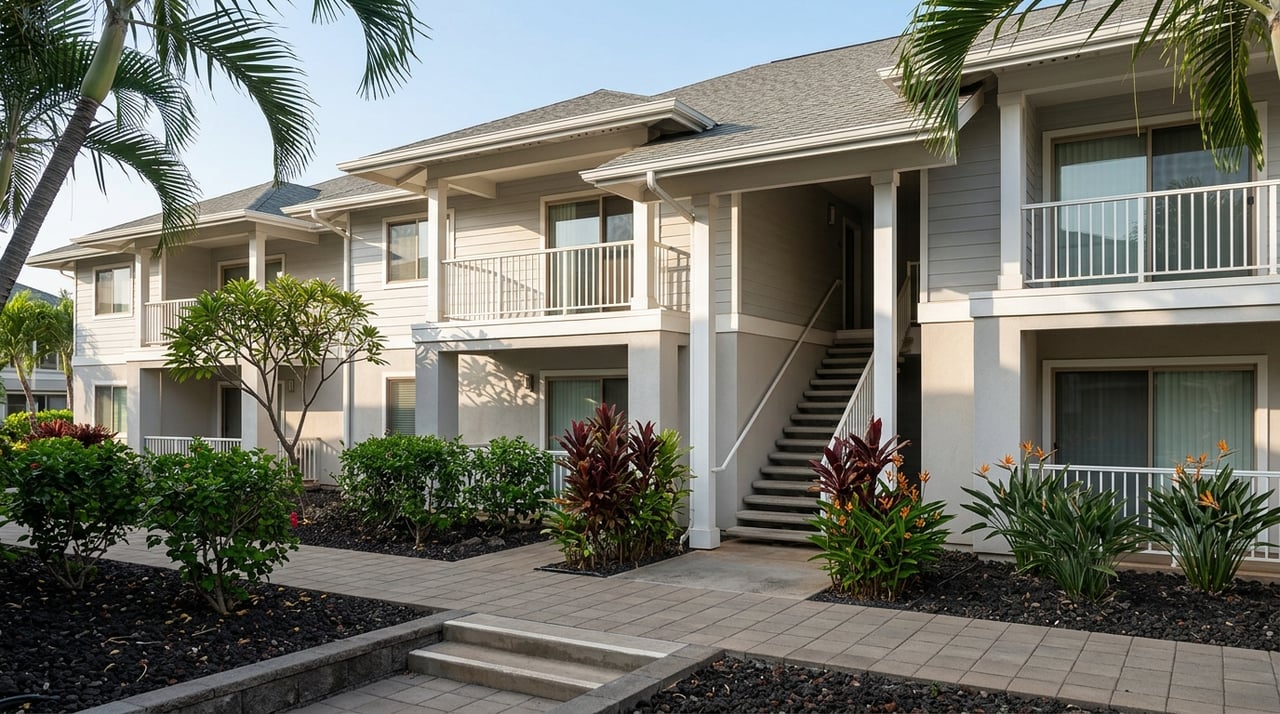
Resort and mixed-use areas often appeal to buyers who want a condo-style property, a simpler ownership setup, or a more lock-and-leave feel. This can be especially attractive if you split your time between Maui and another location or if you value having services close by.
A reasonable planning-based takeaway is that these areas can feel more active and more built-up than lower-density residential pockets. If you want walkability and access to conveniences, that can be a major advantage.
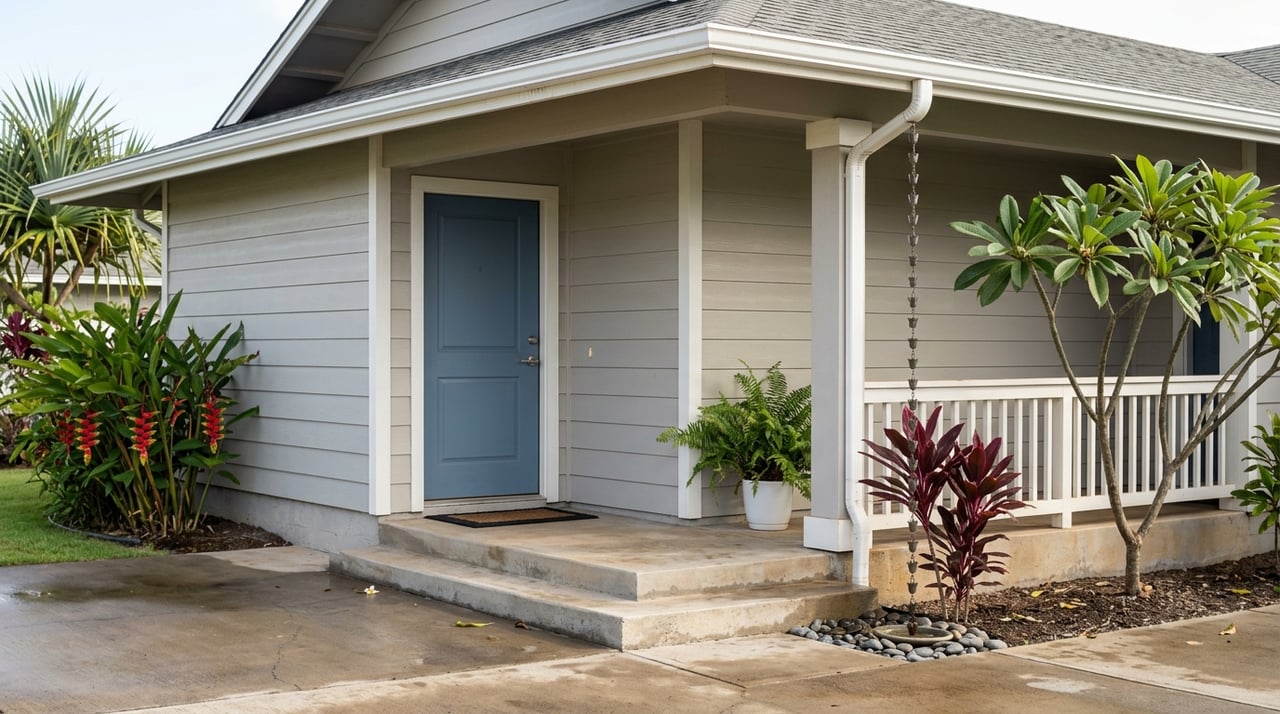
Kihei’s quieter residential pockets tend to offer a broader housing mix and lower density. The updated Residential designation is intended for low- to moderate-density neighborhoods and allows single-family homes, ʻohana units, duplexes, tri-plexes, townhouses, and small-scale multifamily.
There are also Rural Residential areas with a more open character, including large-lot subdivisions, family farms, and estates. County planners cite Maui Meadows as an example of a rural residential area.
These areas are generally more neighborhood-oriented than visitor-oriented. For many buyers, that can mean more privacy, more room for parking or outdoor space, and a better fit for a daily routine centered on living in Kihei rather than visiting it.
Residential designations can still include practical nearby uses like parks, schools, churches, and small-scale neighborhood commercial nodes. The overall feel is simply less tied to the resort pattern seen closer to some beachfront stretches.
Residential Kihei also benefits from community-serving facilities. South Maui Community Park is a 19.6-acre park with fields, a gymnasium, walking paths, playgrounds, picnic areas, and parking.
The Kīhei Community Center and Aquatic Center add pool access, meeting rooms, and district offices. For buyers who want year-round practicality, these amenities can be just as important as beach proximity.
When you narrow your search, it helps to compare Kihei by lifestyle first and property type second. A beachfront condo, a mixed-use area condo, and a home in a residential pocket may all be in Kihei, but they can support very different routines.
Here is a simple way to think about it:
| Kihei area type | Best match for | Typical character | Key consideration |
|---|---|---|---|
| Beachfront | Buyers who want the beach as the main lifestyle feature | Amenity-rich, coastal, often condo or resort style | Shoreline, flood, and maintenance complexity |
| Resort or mixed-use | Buyers who want convenience and a lock-and-leave feel | Walkable, service-oriented, higher density | More active and urban feel |
| Residential | Buyers who want space and a neighborhood-centered routine | Lower density, broader housing mix | May trade beach immediacy for daily-living practicality |
This framework will not replace property-level research, but it can help you sort priorities. If you know what matters most to you, whether that is shoreline access, convenience, or space, you can search more efficiently.
Before you fall in love with a listing, it helps to step back and ask a few practical questions:
These questions can keep your search grounded. In Kihei, two homes may seem close on a map but offer very different ownership experiences.
There is no single best part of Kihei for every buyer. The right fit depends on whether you picture your Maui life around the beach, around convenience, or around a more residential routine.
That is why local guidance matters so much in South Maui. When you understand how Kihei’s micro-markets work, you can compare properties more clearly and avoid treating the whole area like one category.
If you want help narrowing down Kihei’s beachfront, resort, or residential options, Emerald Club Realty is here to help you sort through the details with practical local insight and the kind of personal guidance that feels like working with Maui ohana.
The possibilities in Maui real estate are boundless, whether you are looking to settle permanently in a Maui home or perhaps part time in a condo that you can rent out for the rest of the year. If you want to build, you will find a myriad of beautiful vacant land listings to choose from.