West Maui Real Estate Trends to Watch in 2026
May 28, 2026
May 28, 2026
If you have been watching West Maui from near or far, you have probably noticed that one headline never tells the full story anymore. Lahaina is rebuilding, inventory is rising in several segments, and buyer choices look very different depending on the property type, building, and zoning. This post will help you make sense of what is happening in Lahaina and the broader West Maui market so you can approach your next move with clearer expectations. Let’s dive in.
West Maui is not moving as one uniform market in 2026. Across Maui County in April 2026, there were 1,593 active listings, a countywide median price of $975,000, and 164 days on market. County inventory also leaned buyer-friendly, with 7.7 months of supply for single-family homes and 15.4 months for condos.
West Maui shows that same pattern, but in a more extreme way. Early 2026 data showed about 15.1 months of supply for residential properties and 20.4 months of supply for condos in West Maui. A later May 2026 condo update still showed roughly 403 active condo listings and nearly 19 months of inventory.
That matters because a market with this much supply usually gives buyers more room to compare options, negotiate, and slow down their decision-making. At the same time, some buildings and resort areas continue to move more quickly than the averages suggest. In other words, West Maui is a segmented buyer’s market, not a simple one.
Lahaina’s housing story is tied directly to recovery progress. Maui County reports that more than 456 residential and multifamily units have already been fully constructed in Lahaina Town since the wildfire. The county also reports 151 permits completed, 552 approved, and another 336 in the pipeline.
That progress is important, but it also shows that rebuilding is still underway. A county benchmark update from late 2025 reported 629 building permits issued since the Recovery Permit Center opened and about 295 homes under construction. This means future housing supply is growing, but not all at once.
Infrastructure is a major reason timing still matters. Maui County says West Maui water upgrades, including the Lahaina Waterline Improvement Project, new wells, storage, a reservoir, and improvements to the Mahinahina Water Treatment Plant, could support up to 3,500 additional housing units. That is a meaningful long-term signal, but those benefits depend on construction timelines, approvals, and project delivery.
Lahaina also remains shaped by design and preservation requirements. The West Maui Community Plan was amended effective February 19, 2026, and includes building-height changes for new construction in the Lahaina National Historic Landmark District. For buyers, sellers, and landowners, that means future product in Lahaina will be influenced by both market demand and rebuilding rules.
Price trends in West Maui are split by property type. Early 2026 data showed the West Maui residential median sold price at $1.92 million, down 36% from the 2025 peak of $3.0 million. Condo pricing, by contrast, was much steadier at about $699,000.
Countywide numbers show a similar gap, though not as dramatic. In April 2026, Maui County’s median sold price was $1.29 million for single-family homes and $651,250 for condos. That helps explain why some buyers are finding more flexibility in the home market while condos remain highly dependent on location, building quality, and operating costs.
Within the condo segment, West Maui micro-markets look very different from each other. A May 2026 report showed median sold condo prices around $1.15 million in Kaanapali, $1.335 million in Kapalua, $645,000 in Lahaina, and $560,000 in Napili, Kahana, and Honokowai. Those differences show why broad averages can only tell you so much.
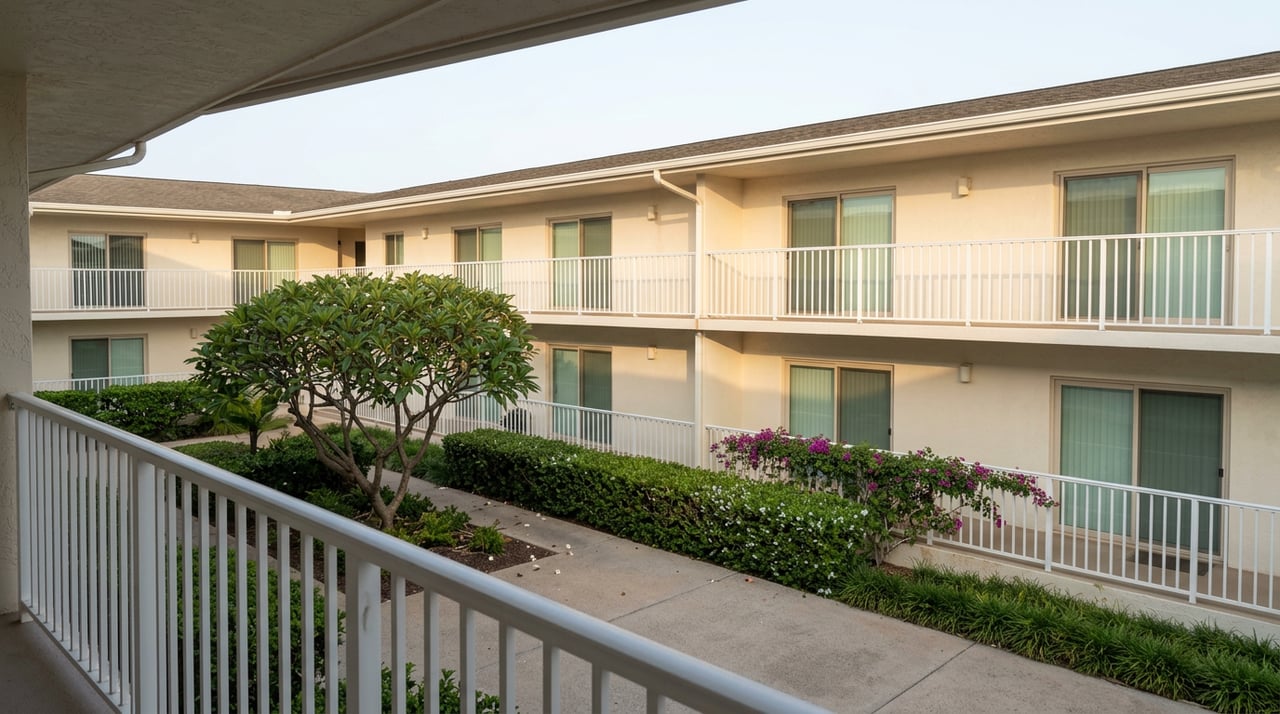
If you are shopping for a condo in Lahaina or nearby West Maui areas, building-level research matters as much as the map. Recent market commentary shows rising inventory is concentrated most heavily in some older complexes, higher-cost buildings, and properties facing insurance or rental-rule uncertainty. Meanwhile, hotel-zoned and well-managed buildings have generally remained tighter and faster-moving.
That split is one of the biggest trends in the market right now. Buyers are paying closer attention to maintenance fees, insurance costs, reserve strength, and overall building condition. In many cases, those details now affect resale potential and day-to-day ownership costs as much as the view or the address.
Maintenance fees are also far from uniform. In a May 2026 snapshot, average monthly maintenance fees ranged from about $1,277 in Kapalua to $2,229 in Kaanapali. Those numbers can significantly change what feels affordable over the long term.
Days on market also vary by area. The same report showed median days on market of 97 in Kaanapali, 214 in Kapalua, 98 in Lahaina, and 155 in Napili, Kahana, and Honokowai. So even though the broader market favors buyers, speed to sale still depends heavily on the specific submarket and building.
For investors and second-home buyers, Maui County’s Bill 9 is one of the most important local policy shifts to understand. Adopted on December 15, 2025, it phases out transient vacation rental use in apartment districts. In West Maui, those uses may continue only through December 31, 2028, and must cease on January 1, 2029.
The ordinance does not apply the same way to every property type. Hotels, bed-and-breakfast homes, short-term rental homes, time shares, and certain other lawful uses are exempt. That means the legal status of a property is not a minor detail. It is central to how buyers should evaluate potential rental income and long-term use.
This is one reason hotel-zoned and otherwise clearly permitted rental inventory can feel more resilient than some apartment-zoned condos. Buyers are not just comparing square footage and amenities anymore. They are also comparing regulatory clarity, cost exposure, and management realities.
For absentee owners especially, this is where local guidance matters. A property may look attractive on paper, but the right decision often comes down to permitted use, building operations, and the practical work of maintaining the unit over time.
Even with more housing projects moving forward, rental pressure in West Maui has not fully eased. The state extended FEMA Temporary Housing Assistance for Maui wildfire survivors through February 2027. The state also said the Ka La‘i Ola program will continue through August 2029.
According to the state, Ka La‘i Ola is a 57-acre village with 450 homes housing roughly 900 survivors and capacity for up to 1,500 people. That is meaningful support, but it also shows the scale of ongoing displacement and housing need. In plain terms, rental demand should be viewed as persistent rather than fully resolved.
Maui County reports that West Maui already has 289 affordable multifamily rental units completed, including 200 at Kaiāulu o Kūkuʻia. The county also says 10 affordable housing projects are moving forward in West Maui with a goal of 1,211 affordable apartments and homes.
Another county update said seven approved multifamily projects will restore 519 affordable rental units in West Maui, including a rebuild of Front Street Apartments that will return 238 units to Lahaina’s housing inventory. These additions matter, but they will take time to fully reshape the rental landscape.
If you are buying in Lahaina or the broader West Maui market, the current conditions can create real opportunity. More inventory means you may have more negotiating power, more time to compare options, and a better chance of finding a property that fits both your goals and your budget.
Still, the smartest buying strategy is not just to look for lower prices. You should focus on clarity. That means understanding zoning, rental rules, maintenance costs, insurance exposure, building reserves, and whether the property fits your intended use.
A helpful buyer checklist includes:
If you are considering vacant land, that can be a separate conversation from condos or move-in-ready homes. Early 2026 data showed West Maui land as the most balanced segment, with 53 active lots, 54 sold in the prior 12 months, and 11.7 months of supply.
If you are selling in West Maui, this is a market that rewards preparation and realism. With homes sitting around 15 months of supply and condos around 19 to 20 months, buyers usually have options. That makes pricing, presentation, and documentation especially important.
Sellers cannot rely on broad optimism about Maui to do the work. Today’s buyers are looking closely at facts they can verify, especially in condos. Clean records, clear operating information, and honest pricing can help your property stand out in a crowded field.
It also helps to remember that not every listing competes with the whole island. Your real competition may be a handful of similar units in the same building, or a small group of homes in the same part of West Maui. A local, property-specific strategy matters more than ever.
As Maui’s Real Estate Ohana, Emerald Club Realty believes this market calls for steady guidance, clear communication, and practical local insight. Whether you are buying, selling, exploring vacant land, or need help understanding ownership and rental considerations, Emerald Club Realty is here to help you navigate West Maui with care and confidence.
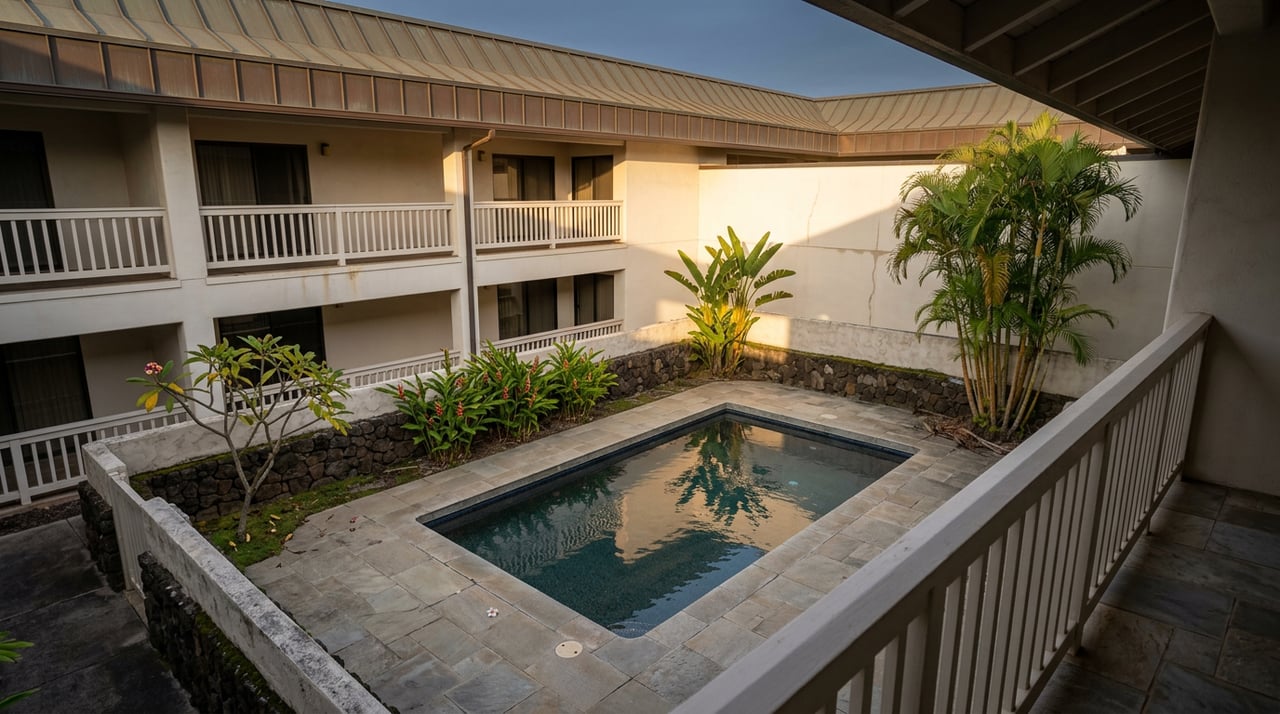
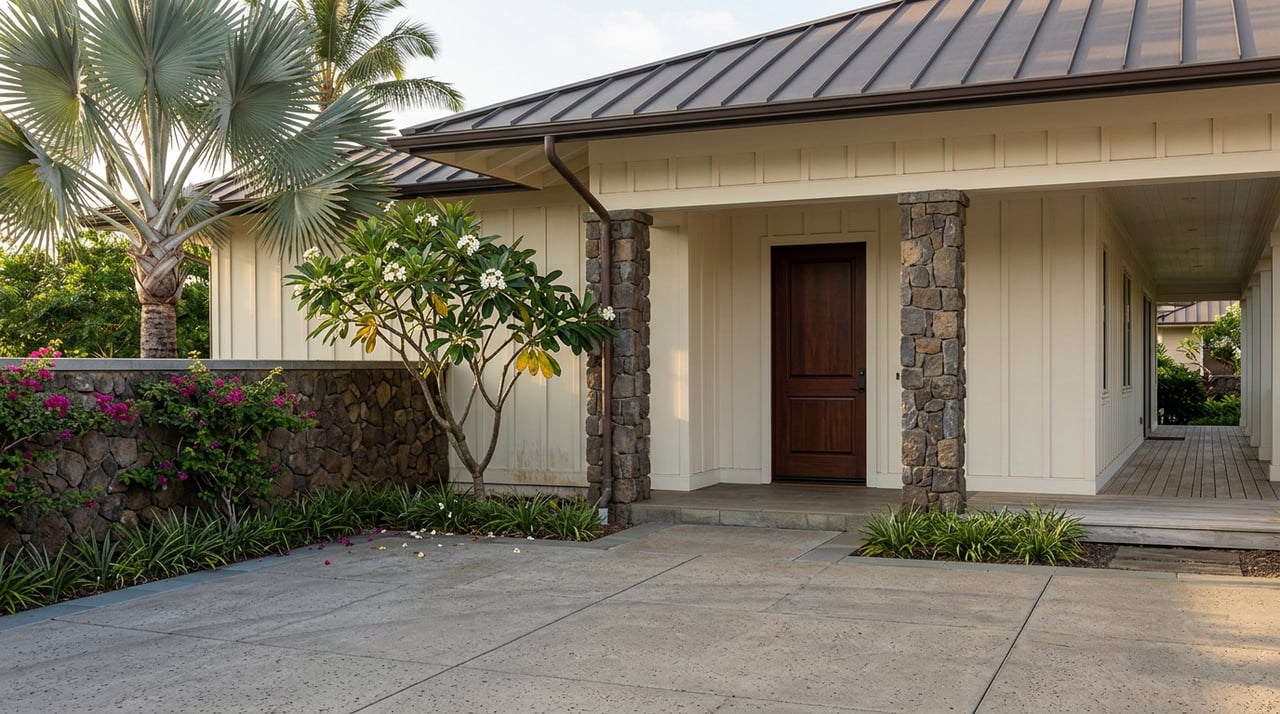
The possibilities in Maui real estate are boundless, whether you are looking to settle permanently in a Maui home or perhaps part time in a condo that you can rent out for the rest of the year. If you want to build, you will find a myriad of beautiful vacant land listings to choose from.