Molokai Real Estate Basics to Know Before You Move
June 11, 2026
June 11, 2026
Thinking about moving to Molokai? It can be a great fit if you want a slower pace, a more rural setting, and a property choice that matches how you plan to live on the island. At the same time, Molokai real estate works differently from many other Hawaiʻi markets, so it helps to understand the basics before you start touring homes, condos, or land. In this guide, you’ll learn what makes Molokai distinct, which property types are common, and what to verify before you buy. Let’s dive in.
Molokai is not one uniform real estate market. Maui County planning materials break the island into three main planning regions: Central, East, and West Molokai, each with different land uses, development patterns, and service realities.
That matters because your day-to-day experience can change a lot depending on where you buy. On Molokai, the question is often less about being near a long list of amenities and more about how a property connects to water, access, utilities, and land-use rules.
County planning also emphasizes Molokai’s rural identity, open space, and small-town character. Kaunakakai is the main population and commercial center, while Kualapuʻu, Maunaloa, and ʻUalapuʻe serve as important local service centers in their surrounding areas.
Central Molokai is the island’s core service area. Kaunakakai is the principal commercial and civic center, and Kualapuʻu and Hoʻolehua are also key population centers.
If you want to be closer to core services, this is often where your search begins. Buyers looking for practical day-to-day access may find Central Molokai easier to navigate than more remote parts of the island.
East Molokai is more rural and conservation-oriented, with small settlements along the southeast coast. The setting can appeal to buyers who want a quieter environment, but access and site conditions may require extra research.
County materials also flag wet-weather access concerns in East Molokai. That makes road conditions and practical year-round access important parts of your due diligence.
West Molokai includes the resort development at Kaluakoʻi. This area is also important because county planning materials identify much of the island’s vacant residential land supply here.
For buyers considering resort-style ownership or a future build, West Molokai may offer options worth exploring. Still, buildability and utility service should always be verified on a parcel-by-parcel basis.
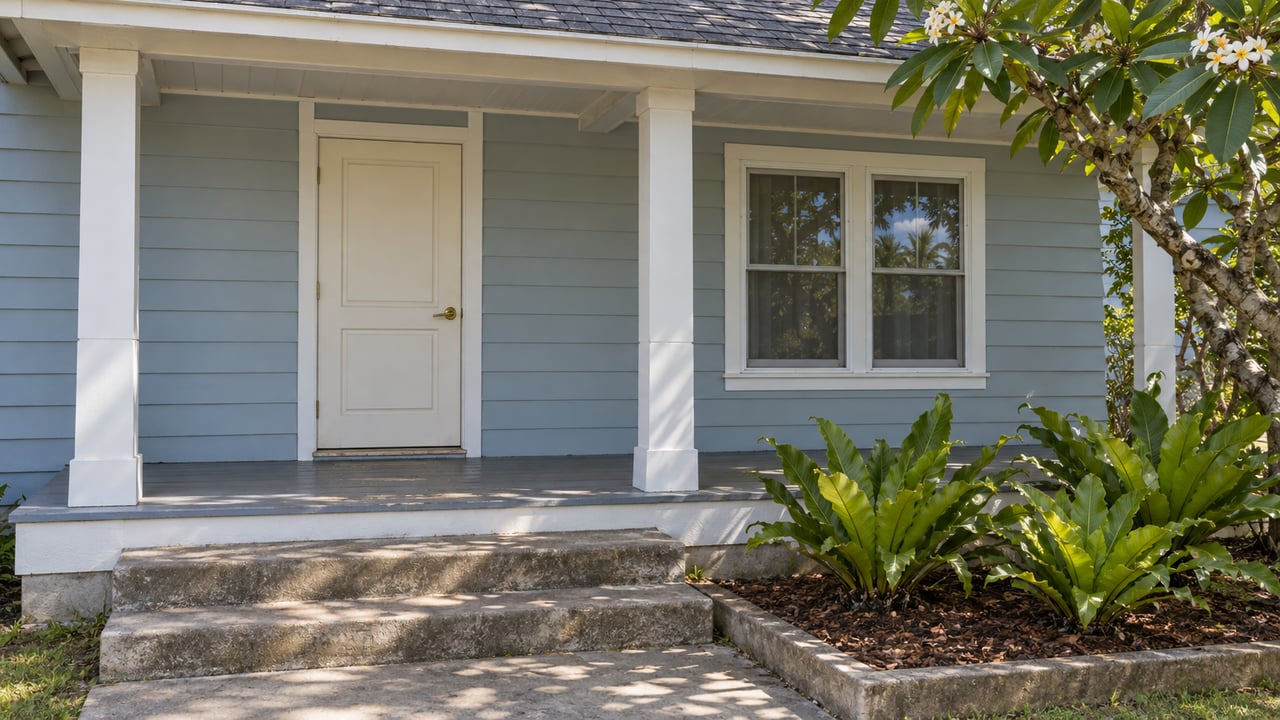
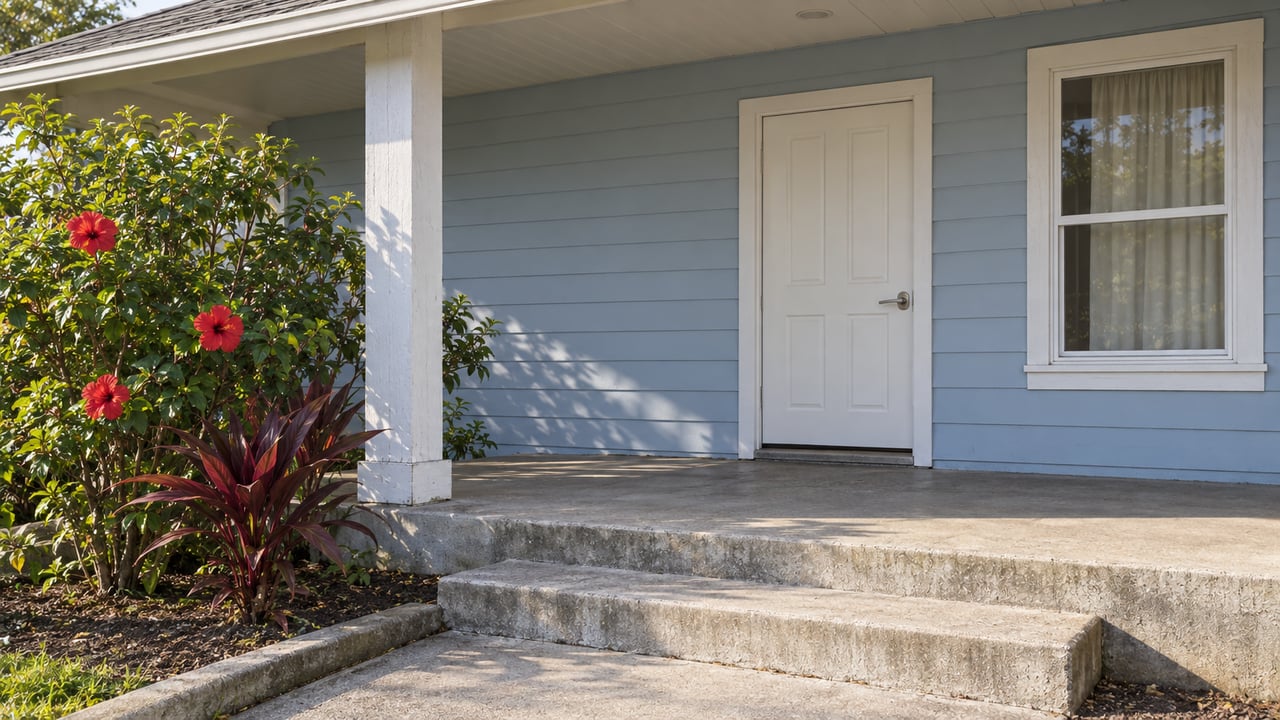
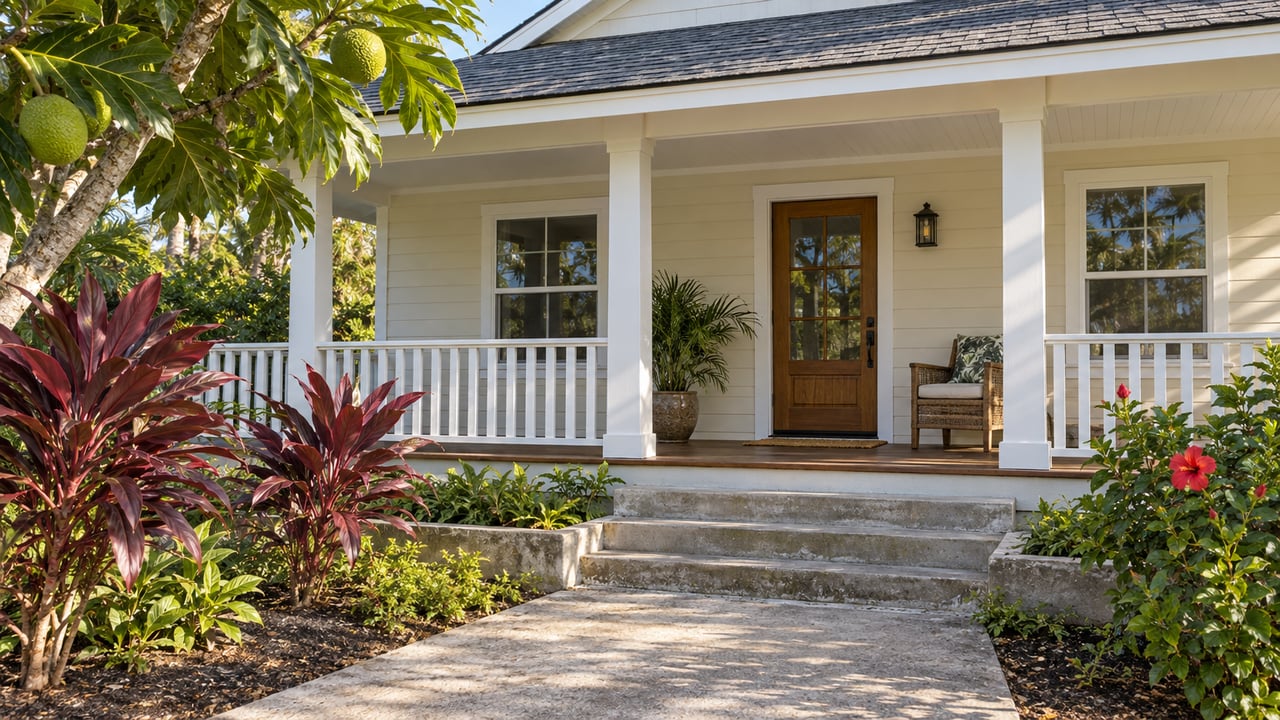
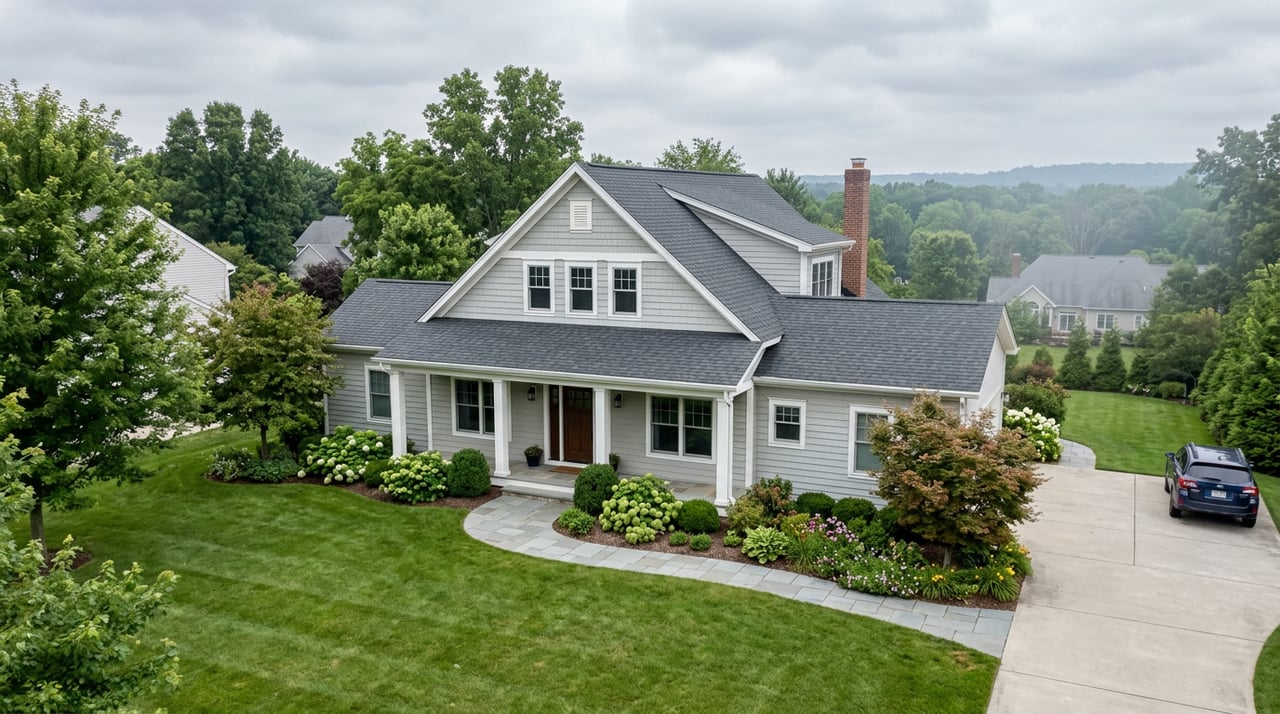
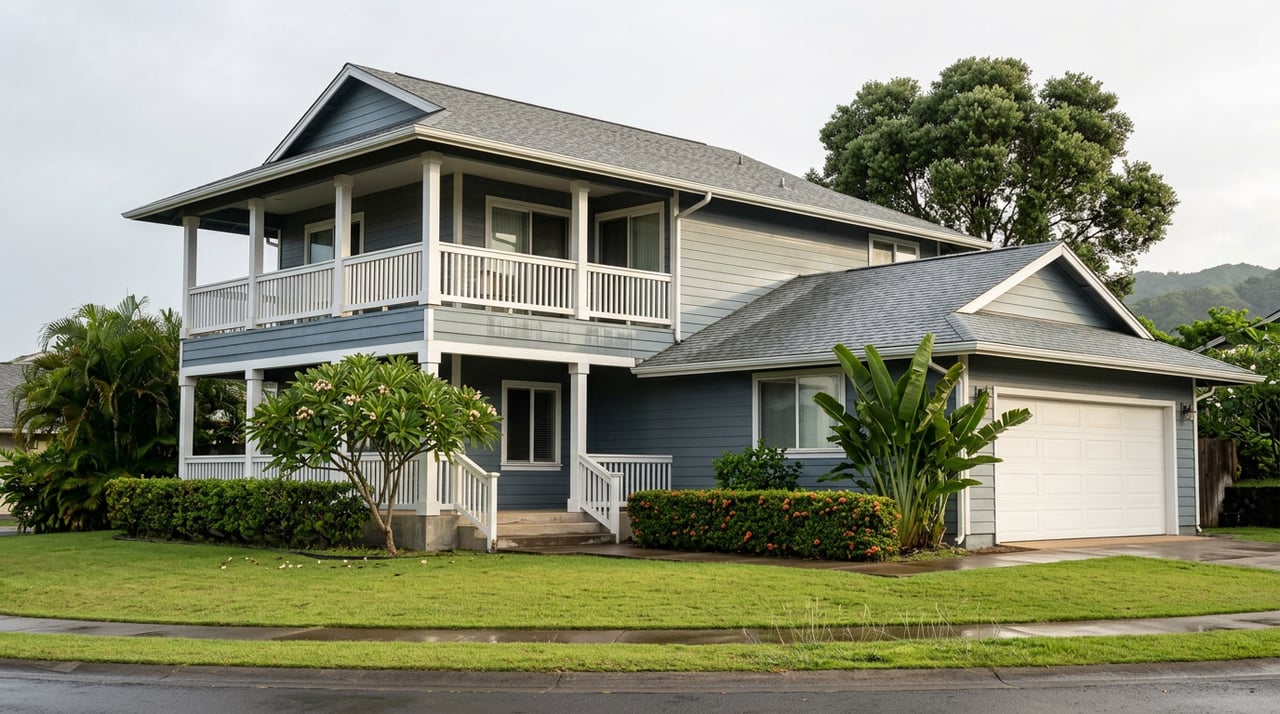
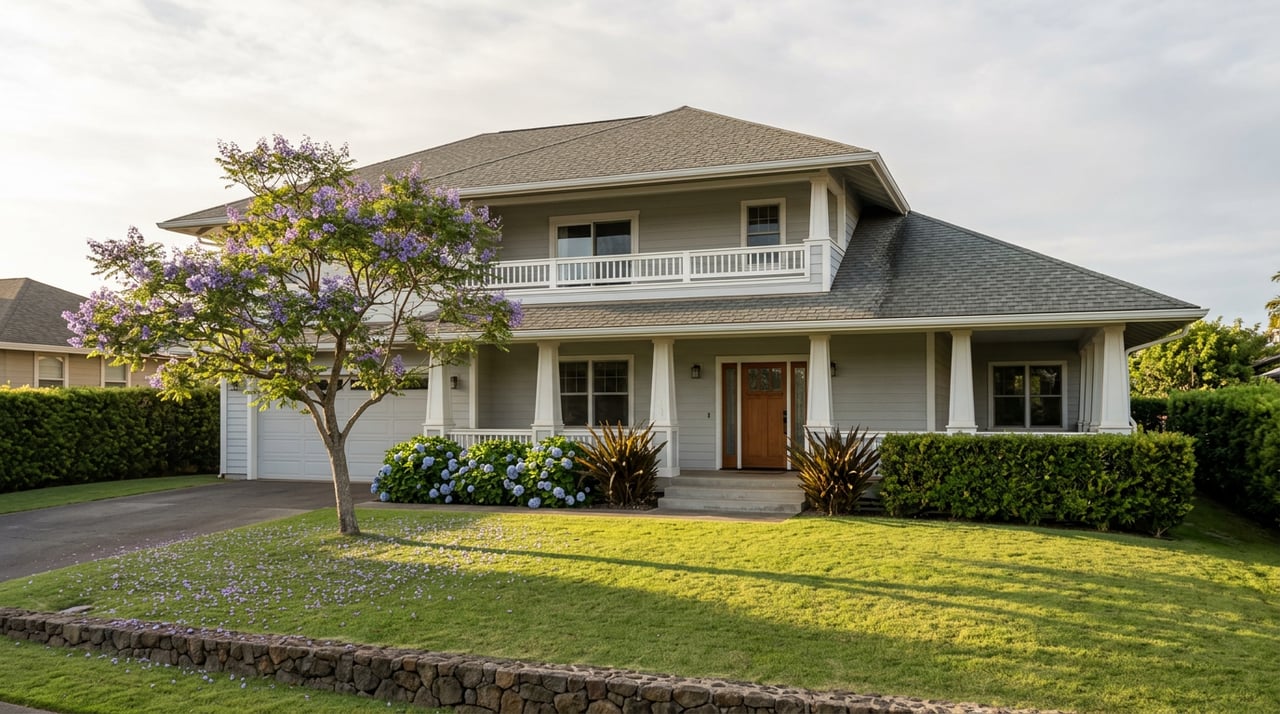
Single-family homes and homestead-style neighborhoods are a major part of Molokai’s housing stock. These properties may look straightforward at first, but utility service and maintenance responsibility can vary from one home to the next.
Two homes with similar photos or price points may have very different setups for water, wastewater, and access. That is why a careful review of property details matters so much on Molokai.
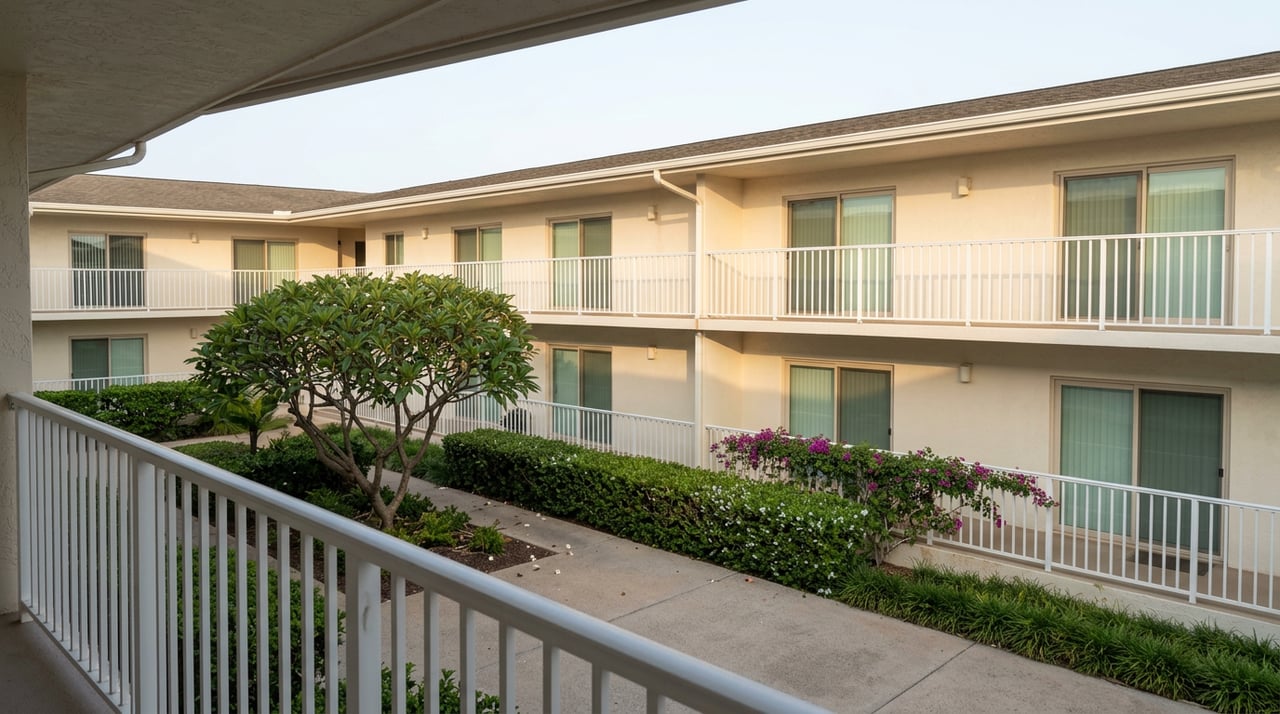
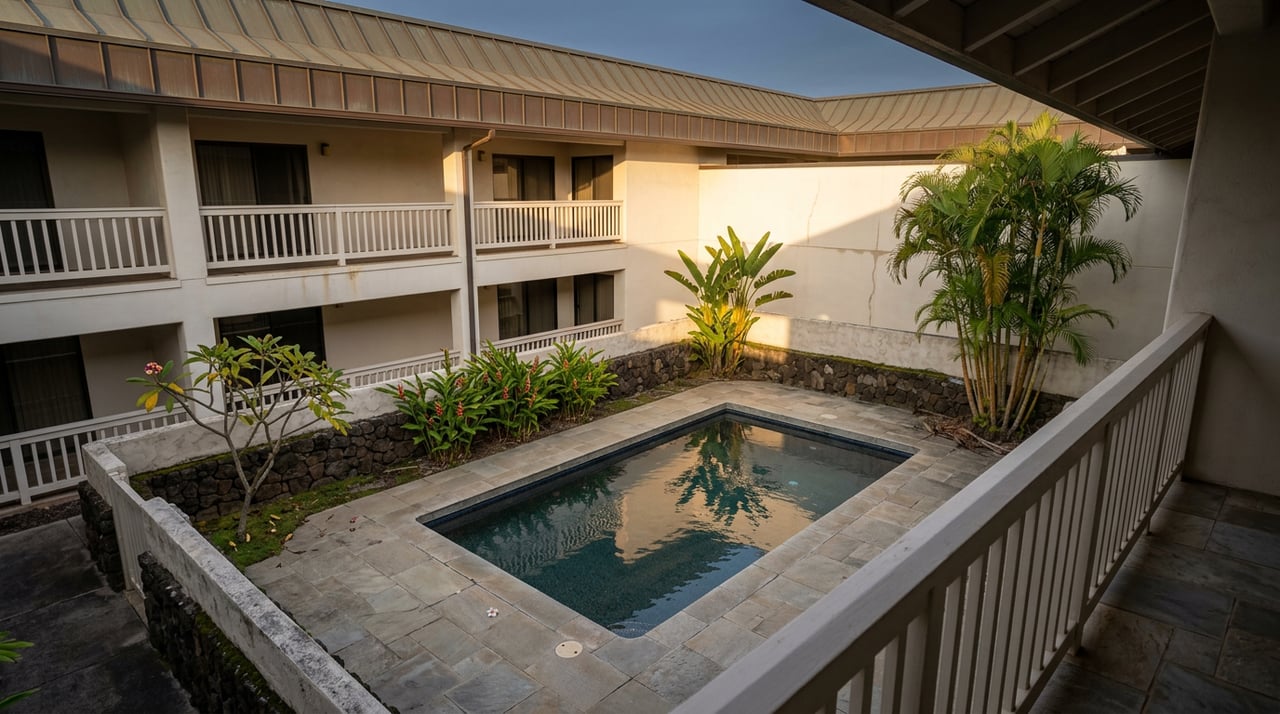
Condo and resort-style inventory exists on Molokai, but it is concentrated in a few pockets rather than spread across the island. County planning materials reference visitor accommodations and resort areas near Kaluakoʻi and Kaunakakai.
Some properties often recognized in this category include Wavecrest Resort, Molokai Shores, Paniolo Hale, and Ke Nani Kai. County materials note that some condominium and resort properties use private wastewater treatment arrangements, which means buyers should review site-specific systems and association responsibilities closely.
Vacant land is another meaningful part of the Molokai market. The county identifies most vacant residential land supply in Kaluakoʻi, with additional infill opportunities in Kaunakakai, ʻUalapuʻe, Kawela, Kualapuʻu, Hoʻolehua, Kalae, and Maunaloa.
That does not mean every vacant lot is ready to build on. On Molokai, land should be treated as a potential opportunity only after you confirm zoning, access, water availability, and any permit layers that may apply.
Water and wastewater are central issues on Molokai. Maui County says the island is served by the Department of Water Supply, but also notes that water may be supplied by other purveyors, including Molokai Ranch, the Department of Hawaiian Home Lands, the Molokai Irrigation System, and Kawela Plantation.
The county also states that many single-family homes outside sewer service areas use cesspools or septic systems. Because service can vary widely by property, utility verification is not just a box to check. It is one of the main questions you should answer early.
County planning materials also say much of Molokai’s water delivery system is outdated and that drought has caused shortages. The county is working on water conservation, water reuse, and source-protection efforts, which highlights how important long-term water planning is for the island.
Molokai ownership comes with logistics that may feel different from larger islands. Molokai Airport is a state-owned airport on the central plateau that serves commuter, air-taxi, and general aviation traffic, while Kaunakakai Harbor is the island’s commercial and recreational harbor.
County planning materials also note that shipping often involves an extra inter-island leg. In practical terms, that can raise costs and slow the delivery of goods and materials, which may affect repairs, renovations, and general property upkeep.
If you are buying from off-island or planning future improvements, this is especially important. Timelines and budgets may need a little more flexibility than you would expect elsewhere.
Molokai buyers should take permit and land-use review seriously. Maui County has separate application categories for Molokai projects, Special Management Area work, subdivision, zoning, and country-town review.
The county says Country Town Design Review can apply to new construction, reconstruction, or major renovations in Kaunakakai and other Molokai country towns. The county also warns that community-plan maps are snapshots in time, so current zoning and land-use status should always be confirmed separately.
For you as a buyer, this means assumptions can get expensive. A lot or home may look like a simple opportunity until a closer review shows additional approval steps or site limits.
If you are buying a single-family home, focus on the property’s basic operating systems first. A clear understanding of these items can help you compare homes more accurately.
If you are considering a condo or resort unit, the documents and site systems deserve close attention. On Molokai, project-specific details can shape both ownership costs and daily expectations.
If your goal is to build, due diligence becomes even more important. A vacant parcel should be evaluated for both legal use and practical serviceability.
No matter what property type you choose, site conditions matter on Molokai. County planning materials flag shoreline erosion along Kamehameha V Highway, sea-level-rise exposure in coastal areas such as Kaunakakai, wildfire risk on the island, and wet-weather access concerns in East Molokai.
These issues do not automatically rule out a property. They simply mean the best purchase is often the one with a clear, realistic picture of access, maintenance, utility service, and long-term use.
Molokai can be an incredible place to put down roots, buy a second home, or invest in land, but it rewards patience. The island’s real estate basics are less about speed and more about fit.
When you understand the difference between regions, verify utilities early, and match the property type to your goals, you give yourself a much better chance of making a confident decision. That kind of local, practical planning can save you time, stress, and costly surprises later.
If you’re considering a move to Molokai and want guidance from a local team that understands Maui County real estate with a practical, relationship-first approach, connect with Emerald Club Realty.
The possibilities in Maui real estate are boundless, whether you are looking to settle permanently in a Maui home or perhaps part time in a condo that you can rent out for the rest of the year. If you want to build, you will find a myriad of beautiful vacant land listings to choose from.