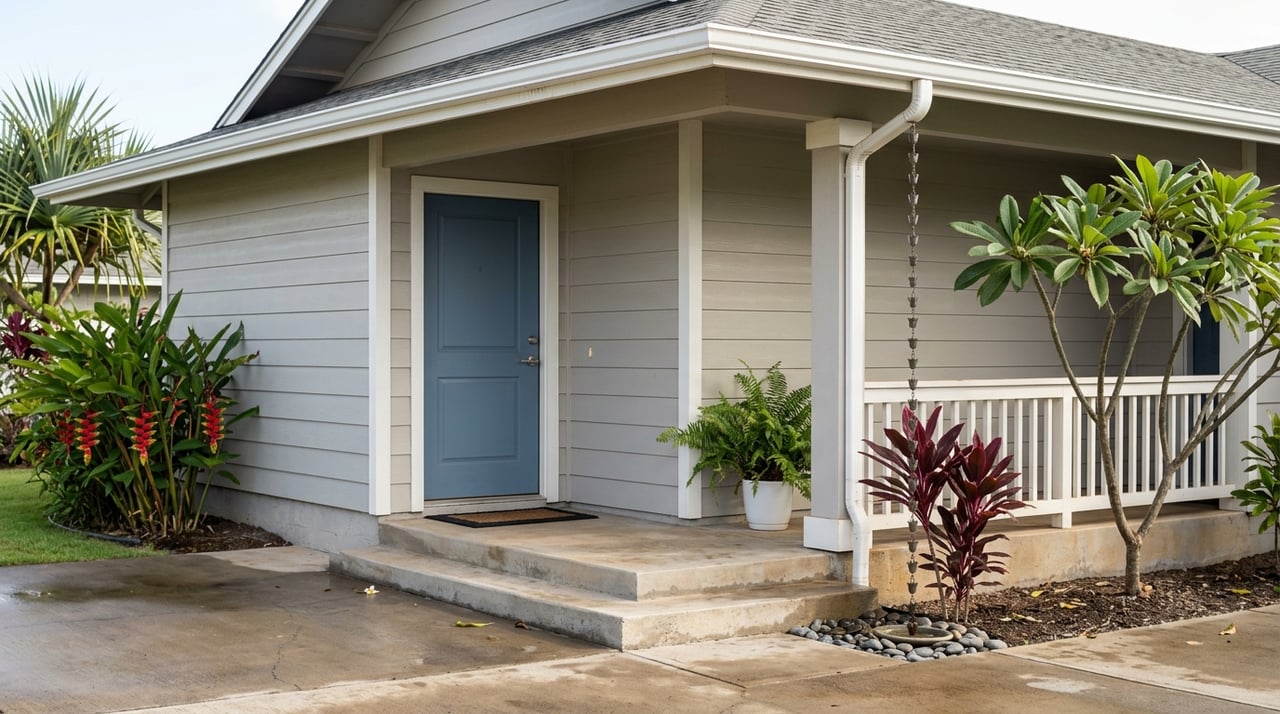
Owning A Retreat Home In East Maui: Lifestyle And Logistics
July 2, 2026
July 2, 2026
Dreaming of a retreat home in East Maui? It is easy to fall for the lush scenery, steady trade-wind weather, and slower pace that make this side of Maui feel worlds away. But owning here also asks more of you in planning, maintenance, and day-to-day logistics. If you are considering a home in Hāna, Keʻanae, Nāhiku, or nearby East Maui areas, this guide will help you understand both the lifestyle and the practical side of ownership. Let’s dive in.
East Maui offers a setting that feels deeply connected to the island’s windward landscape. According to the Hawaiʻi Rainfall Atlas, the windward slope of Haleakalā includes some of the highest rainfall totals in the state, with annual means reaching 404 inches near Big Bog. At Hāna Airport, NOAA climate normals show average monthly temperatures of about 71.3°F in January and 77.3°F in August, along with 72.15 inches of annual precipitation.
For you as an owner, that usually translates into green surroundings, frequent moisture, and a tropical climate that stays comfortable through the year. It also means your home will live in a wetter environment than many other parts of Maui. That shapes everything from landscaping choices to roof care and supply planning.
If your goal is peace, scenery, and room to slow down, East Maui can be a strong fit. Ownership here often appeals to buyers who want a retreat experience centered on quiet surroundings and a more self-directed routine. The tradeoff is that convenience works differently here than in more central parts of the island.
You may find that East Maui rewards a mindset of preparation. Rather than expecting quick errands or same-day fixes, you will likely do best by planning ahead and staying flexible. For many retreat-home owners, that rhythm is part of the appeal.
Daily life in East Maui often runs on timing and intention. A trip for groceries, hardware, or repair materials is better treated as a planned outing than a quick stop. That practical reality follows from the area’s transportation setup and the fact that East Maui’s main access route can be affected by weather and road work.
If you use the home part-time or live off-island, this slower pace matters even more. You will want systems in place for maintenance coordination, check-ins, and response when plans change. A retreat home can feel effortless when those pieces are handled well.
Hāna Highway remains the main access corridor for East Maui and is listed by Maui County as one of the island’s state highways. Recent county notices show how quickly conditions can shift. Reported issues have included local-traffic-only restrictions during severe weather, plus closures tied to flooding, landslides, rock scaling, storm damage, and investigations.
One county storm update in 2026 said dozens of people were cut off in Hāna because of road washout. Another update limited travel into East Maui to local traffic only because of multiple roadway blockages and hazardous conditions. For you, that means access is not something to treat as background information. It is a core part of ownership planning.
When road conditions change, they can affect more than your own travel. Deliveries, contractor schedules, service calls, and even routine supply runs may need to shift around weather windows. If you are buying a retreat home to use seasonally or from a distance, that reality should be part of your decision from the start.
A simple habit can make a big difference. Subscribing to Maui County road notifications and Maui Emergency Management Agency alerts can help you stay ahead of closures and weather-related disruptions. For absentee owners, that kind of monitoring is part of responsible stewardship.
Public transportation exists in the district, but it is limited for everyday use. Maui County notes that MEO’s Human Service Transportation Program serves Hāna and other areas not covered by public transit. MEO has reported weekday Hāna-to-Central Maui bus runs that leave Hāna at 6 a.m. and return at 1 p.m.
That can be helpful in certain situations, but it is not a substitute for routine driving. If you own in East Maui, it is smart to think in terms of stocked supplies, planned appointments, and extra lead time. The more organized you are, the smoother ownership tends to feel.
East Maui is livable, and many routine needs can be handled locally. Maui County’s Department of Water Supply serves the region, and its 2025 water quality report lists separate east-side systems including Hāna, Keʻanae, and Nāhiku. The county also states that delivered water continues to meet federal and state drinking water standards.
Water service is dependable, but not immune to interruption. In April 2026, Maui County posted a scheduled East Maui outage in Puuiki affecting about 60 residences and 12 standpipes. That is a useful reminder that even basic utilities may occasionally require patience and backup planning.
Hāna Health is the district’s only health care provider. It offers primary care, dental care, behavioral health, labs, x-ray, medication dispensing, and around-the-clock urgent and emergent care in partnership with American Medical Response and Maui Memorial Medical Center.
For cleanup and property upkeep, the Hana Landfill provides resident and commercial refuse drop-off Tuesday through Saturday from 8:00 a.m. to 2:30 p.m. Commercial haulers and businesses hauling their own rubbish and green waste must have a commercial account. If you are planning improvements or regular yard maintenance, knowing this schedule can help you avoid wasted trips.
A retreat home in East Maui usually comes with a stronger maintenance rhythm than a similar property in a drier part of Maui. The wetter climate can put more pressure on roofing, gutters, drainage, exterior finishes, and landscaping. Maui County’s water guidance encourages rain sensors, leak repair, and plants suited to local rainfall, which reflects how water-aware property care tends to be here.
For you, the key is not to view maintenance as occasional. In East Maui, it works better as an ongoing system. Regular inspections and timely repairs can help protect both comfort and long-term property condition.
A few parts of the property tend to deserve extra attention:
Because the environment supports fast plant growth, vegetation management matters too. Hawaiian Electric notes that tree limbs growing into power lines can cause outages, especially in windy conditions, and it maintains a Maui County outage map and vegetation-management program. Keeping growth trimmed back and having backup lighting or generator plans can be a practical move for retreat owners.
Before you buy, flood-zone review should be part of your due diligence. Maui County states that development in FEMA special flood hazard areas or other high-risk areas may require a Flood Development Permit. The county has also issued flood advisories that include East Maui among vulnerable areas during heavy-rain events.
This does not mean every property is high risk. It does mean you should verify flood hazard information carefully and understand how a specific parcel is affected. In a place where rainfall and road conditions can change quickly, that step is especially important.
The Central Pacific hurricane season officially runs from June 1 to November 30. Even when conditions seem calm, summer and fall ownership plans should include more active weather monitoring. That can be as simple as checking alerts before travel, confirming property readiness, and making sure someone local can respond if needed.
East Maui can be a remarkable fit if you want a home that feels like a true retreat. The climate is lush, the atmosphere is quieter, and the lifestyle can feel deeply restorative. For many buyers, that sense of distance from busier routines is exactly the point.
At the same time, successful ownership here usually favors buyers who are comfortable planning around weather, road access, and maintenance needs. If you value preparation, flexibility, and dependable local support, East Maui can offer a rewarding ownership experience. The right home is not just about the setting. It is also about having the right systems and local guidance behind it.
If you are exploring retreat-home opportunities in East Maui, working with a team that understands both the lifestyle and the logistics can make the process much smoother. Connect with Emerald Club Realty to get local insight, practical guidance, and hands-on support for every stage of ownership.
The possibilities in Maui real estate are boundless, whether you are looking to settle permanently in a Maui home or perhaps part time in a condo that you can rent out for the rest of the year. If you want to build, you will find a myriad of beautiful vacant land listings to choose from.