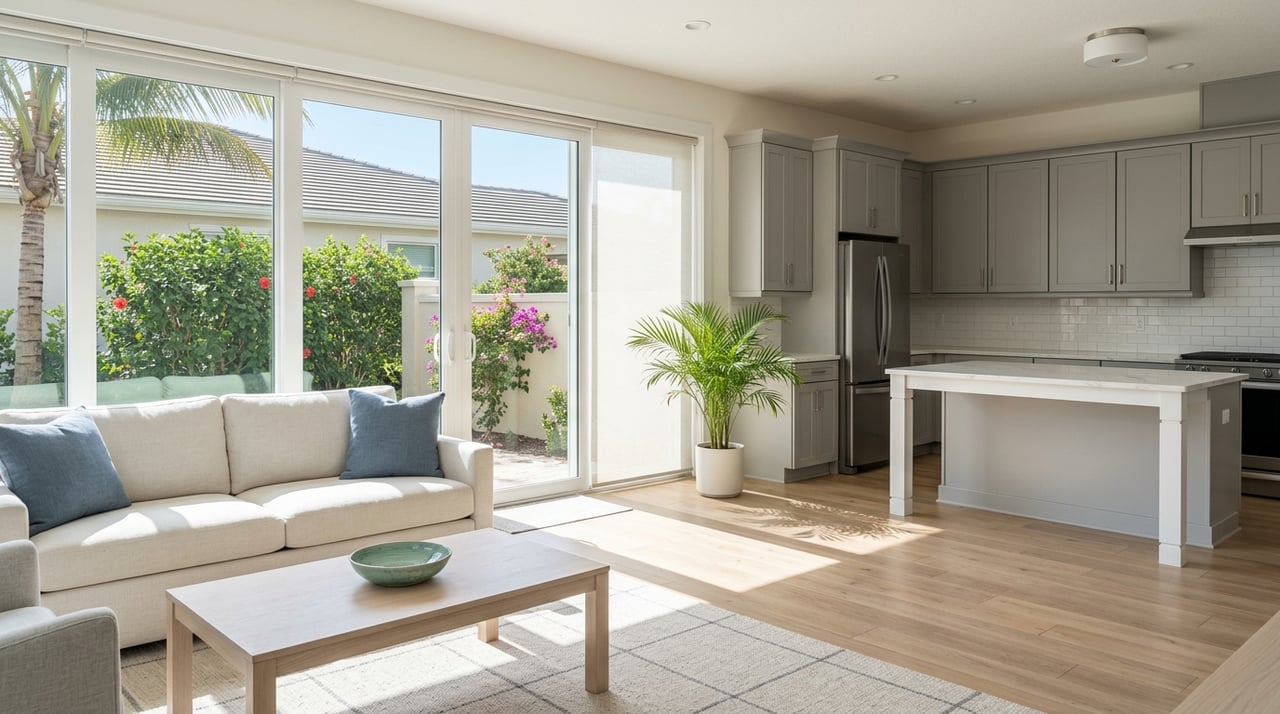
Buying a Home on Lanai From Off Island With Confidence
June 18, 2026
June 18, 2026
Buying a home on Lānaʻi from another island can feel like a big puzzle. You are trying to line up travel, financing, inspections, paperwork, and timing without being able to pop over whenever you want. The good news is that a remote purchase is very doable when you plan it carefully. Here is how to approach an off-island Lānaʻi home purchase with more confidence and fewer surprises.
When you buy from off island, logistics matter almost as much as the home itself. Lānaʻi is typically reached by ferry from Maui or by air, and that affects how you schedule every step.
The official Maui to Lānaʻi ferry information says the crossing takes about 1 hour and 10 minutes and typically offers 3 round trips per day. Lānaʻi Air also offers flexible daily charter flights connecting Lānaʻi City with Oʻahu, Maui, Kauaʻi, and Hawaiʻi Island. That means showings, inspections, and walkthroughs usually work best when grouped into a planned visit instead of spread out over several small trips.
If you are shopping from off island, your first goal is to narrow the list before you travel. Virtual tours and live video walkthroughs can help you rule out homes that do not fit your needs.
This saves time, travel costs, and decision fatigue. By the time you book an in-person visit, you can focus on the homes that already look promising on layout, condition, and location.
Financing should come first. A preapproval gives you a realistic budget and helps you move faster once you find a property you like.
A practical starting point is to compare at least three lenders before you commit. Preapproval is helpful, but it is not a final loan commitment, and it often expires in 30 to 60 days. If your search takes longer than expected, you may need to refresh your paperwork.
For off-island buyers, preapproval timing is especially important because travel can add delays. If you wait too long to see homes in person or make an offer, your preapproval window may get tight.
That is why it helps to pair your financing timeline with your travel timeline. The more organized you are up front, the smoother the rest of the process tends to be.
Once you have a short list, plan an efficient trip to Lānaʻi. Instead of seeing one property at a time over several visits, try to batch your showings into one focused window.
A strong showing trip often includes multiple home tours, time for a second look at your top choices, and room in the schedule in case a property needs closer review. This approach helps you make better use of ferry or flight schedules and avoids rushing your decision.
When you are on island, focus on the details that are hardest to judge through a screen. Pay attention to condition, layout flow, natural light, and anything that may affect maintenance or repairs later.
This is also the time to ask practical ownership questions. If you are buying a second home or investment property, it helps to understand early how you plan to use the home after closing.
After you choose a home and get under contract, inspection timing becomes critical. A home inspection should be scheduled as soon as possible.
An inspection is different from an appraisal. The lender generally requires an appraisal, while the inspection is for your understanding of the property's condition. If repair issues come up, they can complicate the path to closing.
If your contract is contingent on a satisfactory inspection, you may be able to cancel without penalty if the results are not acceptable to you. That makes the inspection period one of the most important protection windows in the transaction.
For an off-island buyer, it is wise to be ready to review inspection findings quickly. Delays can be harder to absorb when travel and scheduling are already part of the equation.
Remote closing is much more manageable today than many buyers expect. In Hawaii, remote online notarization is allowed for a remotely located individual who appears before a remote online notary using communication technology, as long as the legal identity and recording requirements are met.
That can be a major advantage if you are on another island or on the mainland when documents need to be signed. It reduces the need for last-minute travel just to complete paperwork.
Hawaii's Bureau of Conveyances maintains the statewide recording system for title documents. Its e-recording system allows approved vendors to submit certain document types electronically, including Regular System and Land Court documents.
For you as a buyer, the practical takeaway is simple: not every closing document has to be physically hand-delivered. That can help remote transactions move more smoothly when the right professionals are coordinating the file.
Closing is the final step in buying and financing your home. Your lender must send the Closing Disclosure at least 3 business days before closing.
That review period is important. Use it to go through your note, escrow disclosures, and other closing package items carefully so you understand the final numbers and obligations before signing.
For a remote Lānaʻi purchase, a few timeline pressure points tend to matter most. Missing one can create unnecessary stress.
Keep a close eye on:
When these dates are tracked closely, the whole process becomes easier to manage.
Before you close, it is smart to understand how Maui County property taxes work. Real property taxes are based on assessed value minus exemptions, multiplied by the applicable tax rate.
The County publishes different rates based on classification and use, including separate categories for owner-occupied and non-owner-occupied property. For off-island buyers, that distinction can have a real effect on ongoing ownership costs.
Maui County's home exemption reduces taxable assessed value by $300,000, but there are specific requirements. The owner must occupy the home for more than 270 calendar days each year, cannot rent the entire premises for any portion of the year, and must have filed a Hawaii resident return with a Maui County address in the year before the exemption becomes effective.
If you are buying a second home, investment property, or part-time residence, you should understand these rules before you assume you will qualify.
Some buyers purchase on Lānaʻi with future rental use in mind. If that is part of your plan, it is worth sorting out early.
According to the Hawaii Department of Taxation, long-term rental income is subject to Hawaii income tax and general excise tax. Transient accommodations can also trigger transient accommodations tax. Knowing that before you close can help you plan your budget and ownership strategy more clearly.
Buying from off island is not just about finding the right home. It is also about keeping the moving parts organized.
A local brokerage can help coordinate showings, inspections, vendors, timelines, and closing details. That kind of support is especially valuable when you are balancing inter-island travel, document deadlines, and county-specific ownership questions.
For many buyers, the biggest benefit is peace of mind. You want someone local who can help keep the process moving and make sure important details do not get lost between trips, emails, and deadlines.
If you want a practical roadmap, this is the cleanest order of operations:
This process works best when you treat it like a logistics project, not just a home search.
If you are considering an off-island purchase on Lānaʻi, having a trusted local team can make the experience much more manageable. Emerald Club Realty offers the kind of hands-on Maui County support that helps you stay organized from your first showing plan through closing and beyond.
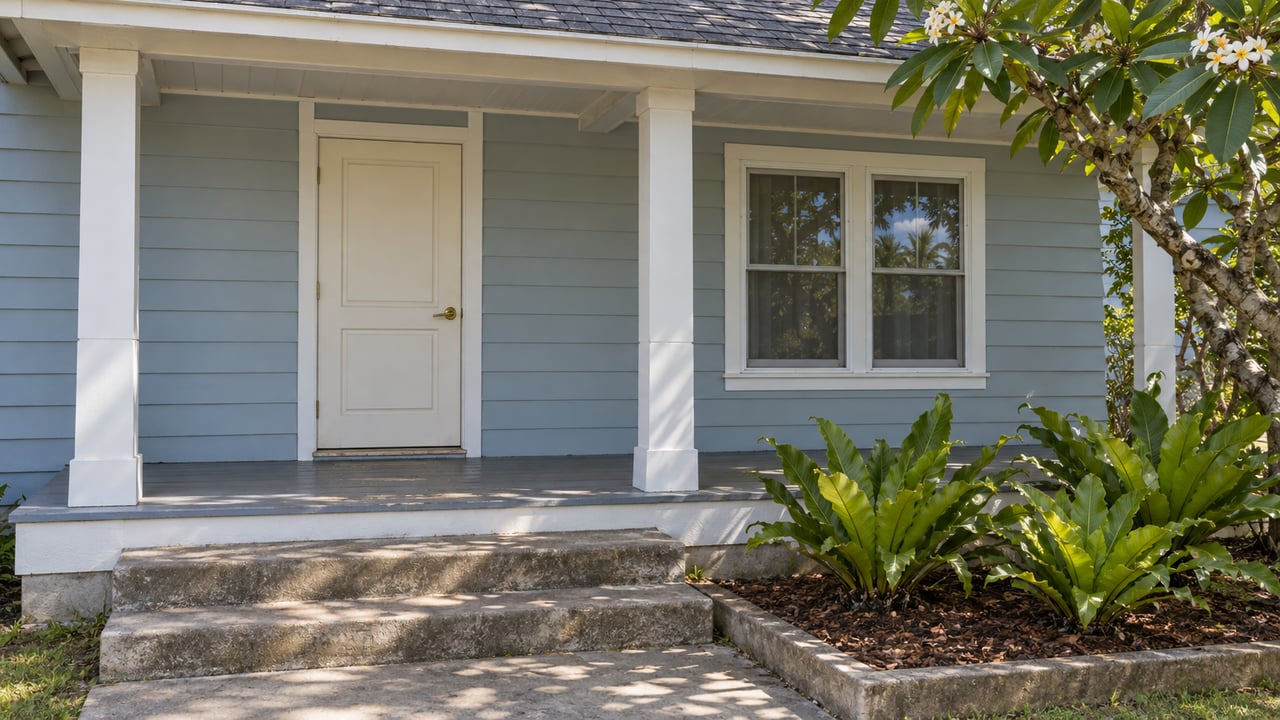

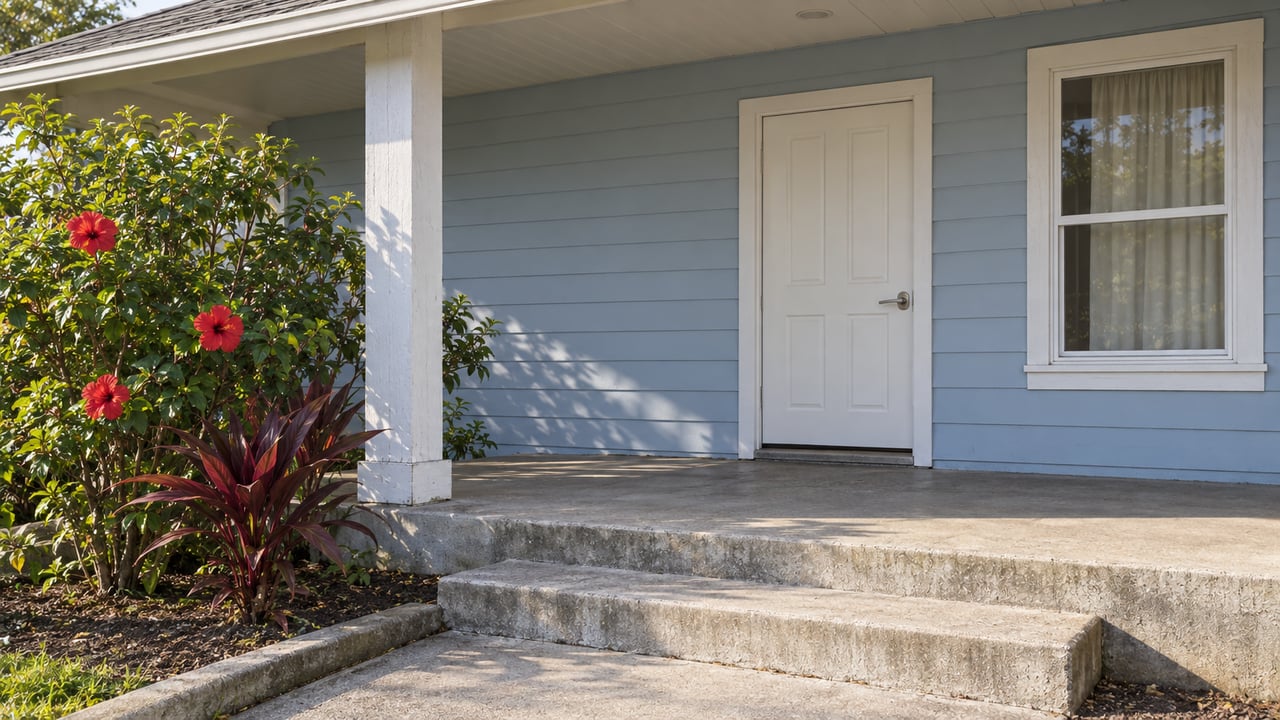


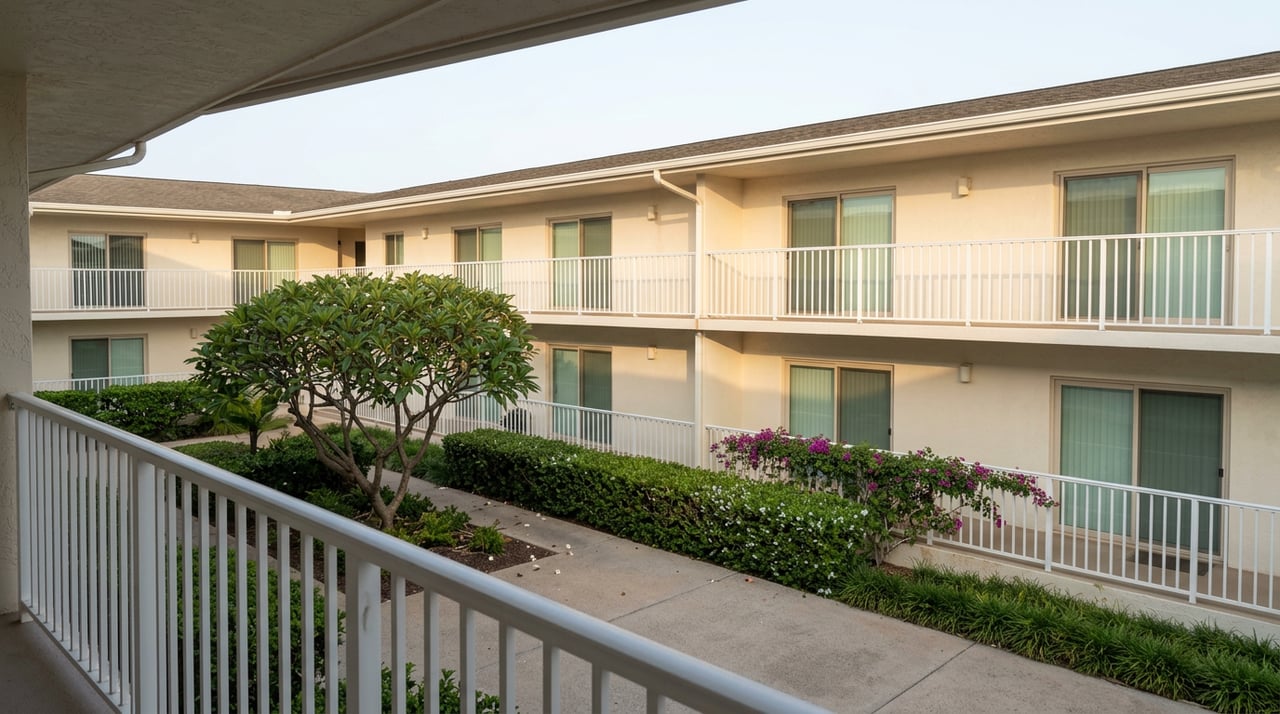
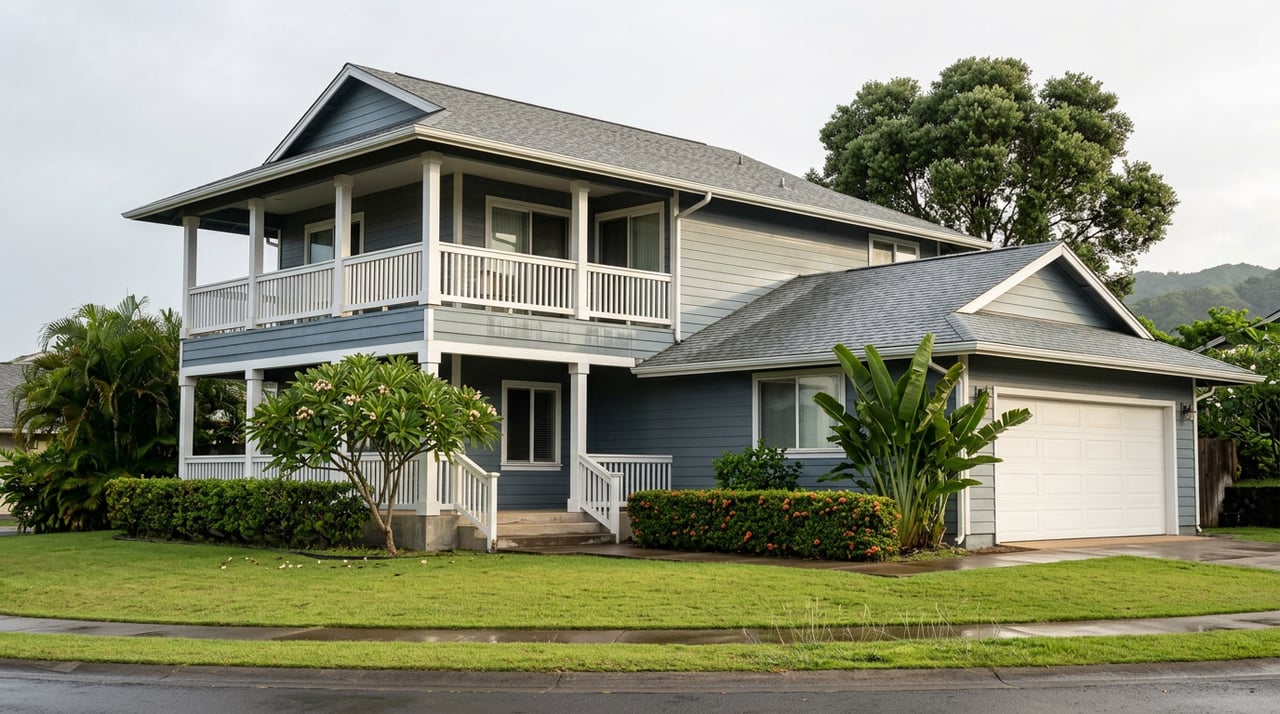
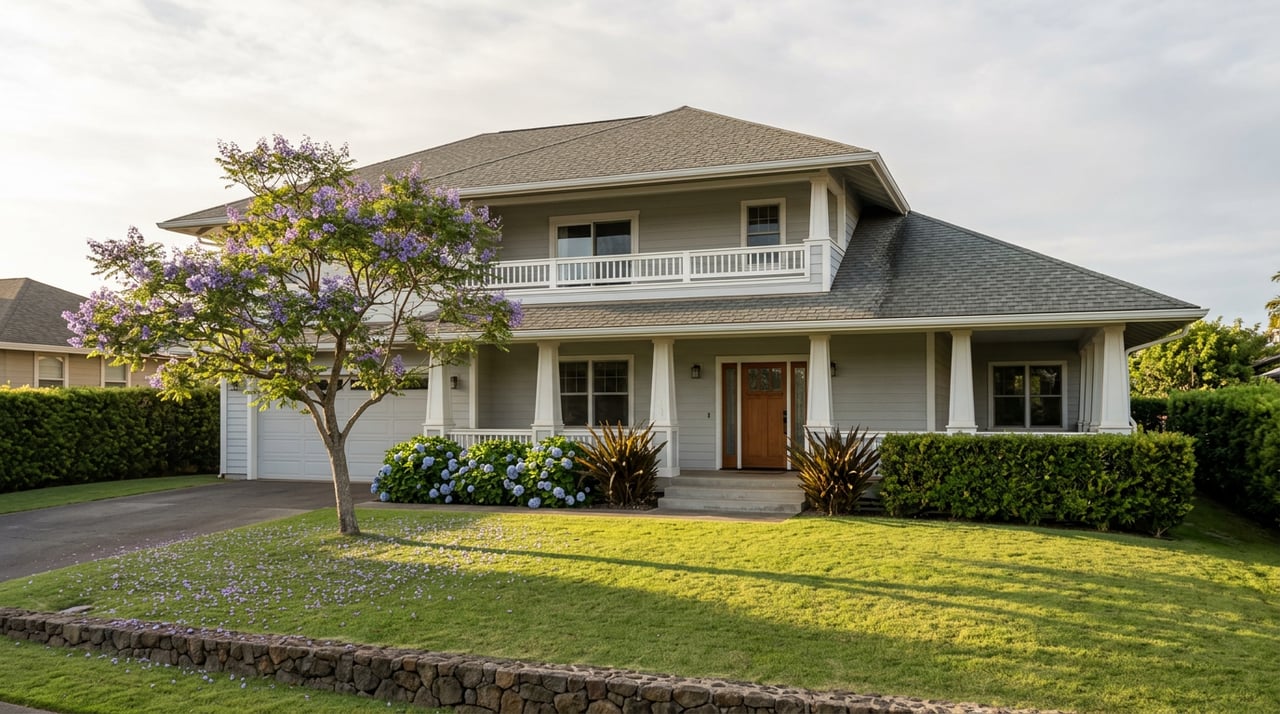
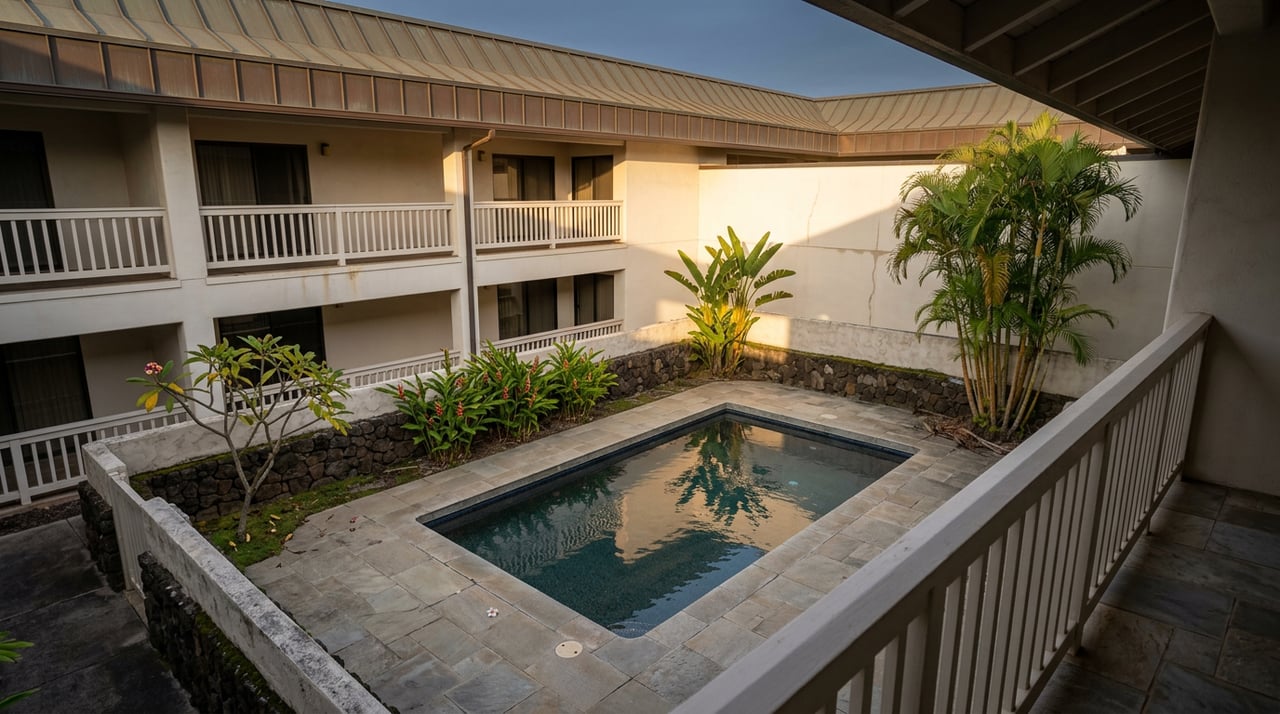
The possibilities in Maui real estate are boundless, whether you are looking to settle permanently in a Maui home or perhaps part time in a condo that you can rent out for the rest of the year. If you want to build, you will find a myriad of beautiful vacant land listings to choose from.