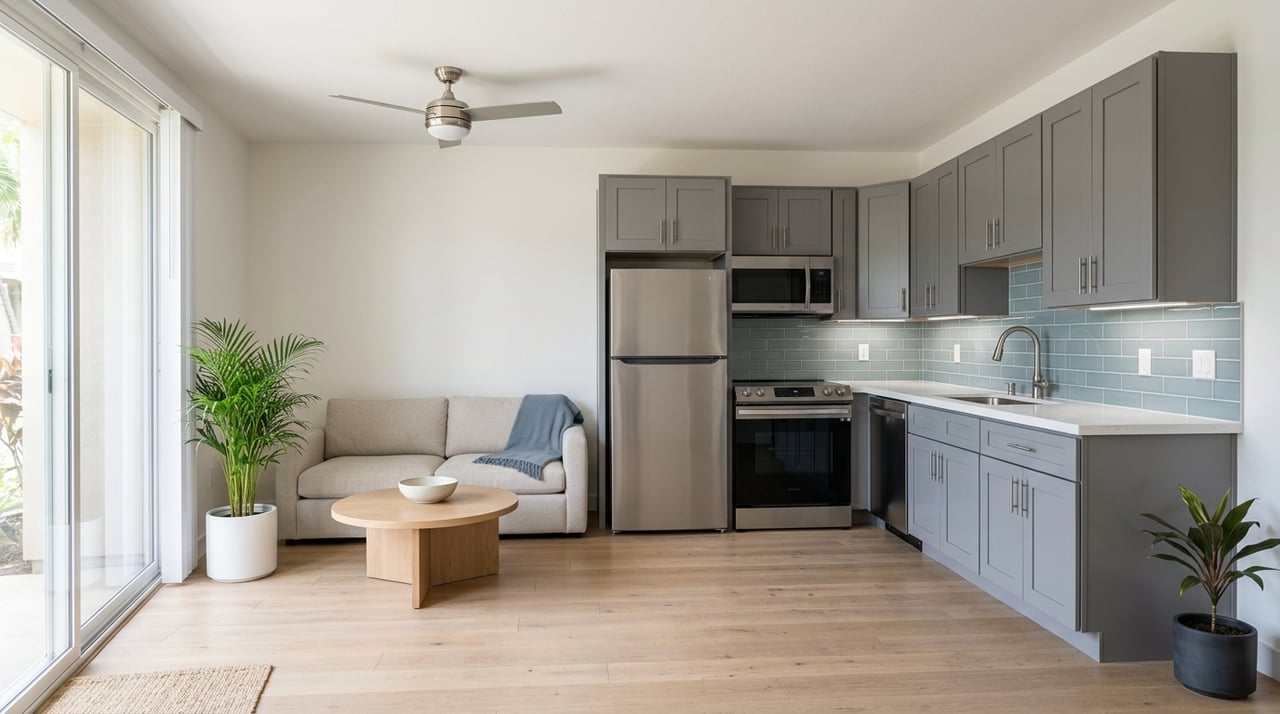
Buying Maalaea Vacation Rental Condos Wisely
April 2, 2026
April 2, 2026
Thinking about buying a vacation rental condo in Maalaea? It can be an appealing idea: ocean access, a harbor-centered visitor area, and a condo market that has long played a role in Maui’s short-term rental landscape. But if you are buying with rental income in mind, you need more than a great view and a good unit. You need a clear understanding of legal status, taxes, condo operations, and what it takes to manage the property well from afar. Let’s dive in.
Maalaea sits within South Maui, which Maui County describes as including Maalaea, Kihei, Wailea, and Makena, a region known for visitor activity and numerous vacation accommodations. That gives Maalaea a natural place in the broader South Maui travel market, even though it feels distinct from the larger resort centers nearby.
Another part of Maalaea’s appeal is its working waterfront. According to the DLNR overview of Maalaea Small Boat Harbor, the harbor includes berths and moorings, a boat ramp, drydock, restrooms, a restaurant, a boat club, and a U.S. Coast Guard station. For owners and guests, that means Maalaea is tied to real ocean activity, not just shoreline views.
County planning materials also note that Maalaea Harbor is known for blustery winds and water activities. That can add to guest appeal for travelers who want easy access to boating and the coast, but it also matters when you plan for upkeep in a windy, salt-air environment.
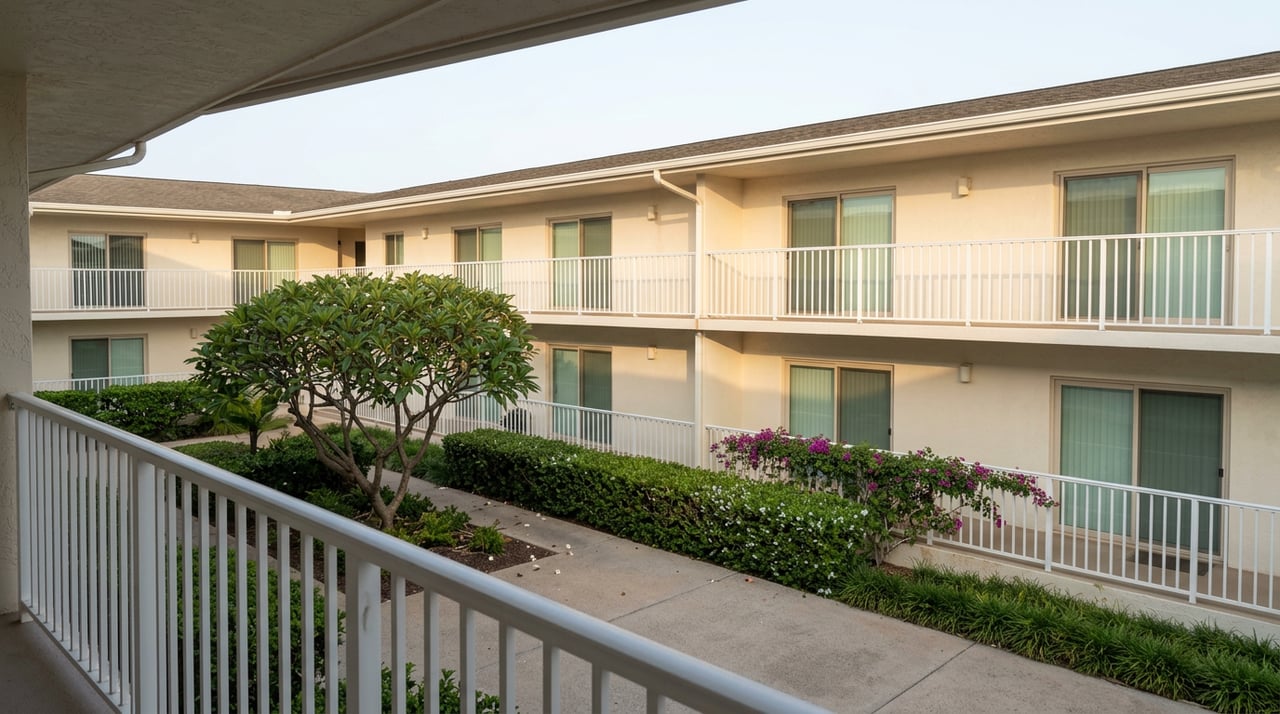
If you are shopping in Maalaea, you are usually not looking at a hotel tower product. County records show Maalaea’s historical short-term occupancy inventory has been heavily condo-based, with projects such as Makani A Kai, Hono Kai, Kanai A Nalu, Maalaea Banyans, Island Sands, Lauloa Maalaea, Maalaea Kai, and Milowai-Maalaea appearing in county materials.
Many of those projects were built in the 1970s and 1980s and listed in apartment zoning in the county’s 2023 visitor accommodations report. That matters because an older condo building often comes with HOA governance, reserve planning, common-area maintenance, and potential long-term capital projects that can affect your ownership costs.
In practical terms, buying in Maalaea often means you are buying into both a unit and a shared building system. Your due diligence should go beyond interiors and ocean views to include house rules, reserve health, maintenance history, and how the association handles repairs and major projects.
This is the most important issue for many buyers.
Maui County’s 2025 Ordinance 5909 phases out transient vacation rentals in apartment districts. Existing lawful apartment-district TVRs in the rest of Maui County outside West Maui can continue through December 31, 2030, after which they must cease on January 1, 2031.
Because county planning materials place Maalaea in South Maui, that countywide non-West Maui timeline is the key one for most apartment-district Maalaea condos. In other words, if you are evaluating a Maalaea condo as a vacation rental, you should treat the 2030 sunset date as a central part of your decision-making.
A condo may have been rented short term in the past, but that alone does not confirm it is legally entitled to continue operating that way under current rules. The county’s short-term rental information page lists pathways such as B&B, conditional use, special use, and STRH, but the ordinance itself warns that county lists are informational and do not prove legal entitlement.
That means your review should focus on the unit’s actual legal status, not just booking history or seller claims. If vacation rental use is part of your buying plan, this step is essential.
The ordinance states that valid timeshares, uses operating within a variance, and other uses otherwise permitted by law are exempt. That is why condo-by-condo and unit-by-unit review matters so much in Maalaea.
Two units with similar layouts and similar views may not have the same legal use rights. For buyers, that is one of the biggest reasons to move carefully and verify the facts early.
Public market data can help you understand the bigger picture, but it has limits.
According to the DBEDT January 2026 vacation rental performance report, Maui County had 253,863 available unit nights, 55.2% occupancy, and a $675.41 average daily rate. In the same month, Maui County hotels posted 71.2% occupancy and a $546 ADR.
Within the broader Maui market, the report shows Wailea/Kihei at 58.2% occupancy with a $539.65 ADR, while Lahaina, Kaanapali, Napili, and Kapalua posted 53.7% occupancy with an $857.06 ADR. That suggests South Maui tends to balance occupancy and nightly rate differently than West Maui.
Maalaea is not broken out separately in the public DBEDT report. So if you are estimating revenue for a Maalaea condo, you should treat any number as an inference from broader South Maui and Maui County trends, not as a direct published Maalaea benchmark.
That distinction matters. Broad market reports are useful for context, but they are not a substitute for property-specific analysis based on the building, the unit, the legal use, the HOA, and the owner’s operating plan.
Many buyers focus on gross income first. In Hawaii, the tax side deserves just as much attention.
The Hawaii Department of Taxation says short-term rental operators must register for both GET and TAT, file periodic and annual returns, and pay GET on gross receipts plus TAT on gross rental proceeds unless an exemption applies. The department also makes clear that even when a third-party manager collects rent and files on your behalf, you as the owner remain responsible for compliance.
Based on the Hawaii tax guidance in the research report, the main tax pieces include:
These costs can materially affect net income. If you are comparing a Maalaea condo to another Maui property, the better question is often not “What can it rent for?” but “What does it keep after taxes, dues, maintenance, and compliance costs?”
Maui County’s tax classifications can vary depending on how a property is classified and used. The county’s classification guidance separates apartment units, hotel and resort properties, and TVR-STRH properties, among others.
For tax year 2025, the county set rates at $3.50 per $1,000 of assessed value for apartment, $11.80 for hotel and resort, $12.50 to $15.55 for TVR-STRH, and $2.00 to $10.00 for commercialized residential depending on value tier, according to the 2025 Maui County tax rate schedule.
That spread is significant. A unit’s legal use and tax classification can affect your annual carrying costs just as much as your purchase price and rental income assumptions.
In Maalaea, ownership costs go beyond the mortgage and property tax bill.
Because the area is condo-heavy and coastal, you should expect to budget for HOA dues, insurance, utilities, housekeeping, repairs, and reserve funds. In a location known for wind, ocean exposure, and active harbor conditions, salt-air wear and weather-related maintenance can become recurring costs rather than occasional surprises.
The research report also notes the importance of planning for coastal flooding and tsunami exposure as part of your risk awareness. That does not make Maalaea unique among shoreline areas on Maui, but it does mean your maintenance and preparedness planning should be realistic.
Before you buy, review:
For many Maalaea buyers, the condo association will shape the ownership experience just as much as the unit itself.
If you live off-island, a vacation rental condo can only run well when the on-the-ground system is solid. That usually means someone local is handling guest communication, cleaning, inspections, maintenance coordination, and issue response between stays.
A good management setup can simplify the day-to-day workload, but it does not remove owner responsibility. The Hawaii Department of Taxation is clear that owners remain responsible for tax compliance even when a manager is involved.
For an absentee owner, your local support should be able to help with:
This is where having one trusted local partner can make ownership feel much more manageable.
Maalaea can make sense for buyers who want a South Maui condo with ocean access, a harbor-centered setting, and a property type that has long been part of Maui’s visitor accommodation mix. It may also appeal to owners who value a more compact condo market rather than a large resort environment.
At the same time, Maalaea is not a market where you should rely on assumptions. Because of the county’s policy changes affecting apartment-district transient vacation rentals, buyers need to go in with a clear plan for legal review, realistic cost projections, and an understanding of how the property may be used over time.
If you are considering a vacation rental condo in Maalaea, focus on the questions that matter most:
When you answer those questions first, you can evaluate Maalaea with much more confidence.
If you want local guidance on buying, owning, and managing a condo on Maui, connect with Brandy Aki. With Emerald Club Realty’s full-service approach to sales and property management, you can have one trusted local partner to help you navigate the details.
The possibilities in Maui real estate are boundless, whether you are looking to settle permanently in a Maui home or perhaps part time in a condo that you can rent out for the rest of the year. If you want to build, you will find a myriad of beautiful vacant land listings to choose from.