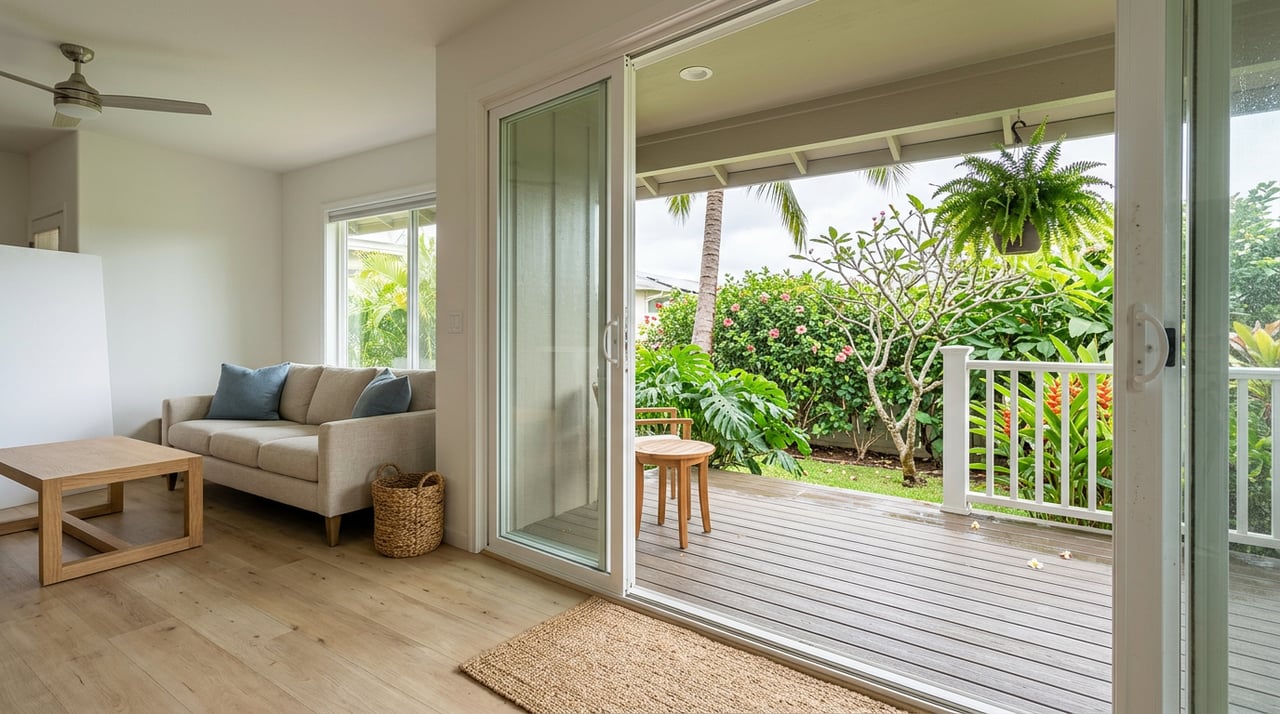
Hana East Maui Living: Essentials for Newcomers
March 5, 2026
March 5, 2026
Thinking about a move to Hāna or East Maui? The cliffs, waterfalls, and black-sand beaches are unforgettable, but day-to-day life is different from the rest of the island. If you value nature, quiet, and community, you will likely love it here, as long as you plan for the practical tradeoffs. This guide covers the essentials you should know about roads, services, utilities, hazards, and property types so you can make a confident decision. Let’s dive in.
Hāna and East Maui offer a slower rhythm, striking scenery, and a close-knit community feel. You are surrounded by rainforests, ocean views, and cultural sites that locals care for deeply. Public treasures like Waiʻānapanapa State Park’s black-sand beach and lava tubes are right in your backyard, with reservation rules and stewardship that help protect them. If you want daily access to trails and coastal lookouts, this corner of Maui delivers.
For hikers and waterfall chasers, the Kīpahulu District of Haleakalā National Park is a favorite. The park advises visitors to prepare for hot, humid, and rainy weather, and it warns about flash floods and rock falls. Those same conditions shape daily life for residents, from how you schedule errands to how you plan for storms. Staying flexible and prepared is part of the East Maui lifestyle.
The Hana Highway is beautiful, but it is also a practical limit you need to respect. The 50-plus mile drive from central Maui includes many curves, narrow sections, and one-lane bridges. Heavy rain, landslides, or fallen trees can slow or close parts of the road with little warning. If you commute, coordinate deliveries, or have frequent medical visits, build that into your plan.
Hana Airport provides a second option for access. It is a small regional airport with commuter, air taxi, and general aviation operations, and scheduled service can change. The Piʻilani Highway on the south side has rough, unimproved stretches and washouts at times, so it is not a dependable all-season alternate. Most residents still rely on private vehicles for daily needs.
Hāna High & Elementary is a PK–12 public campus that serves the district. As a small school, it often functions as a community hub and offers a tight-knit environment. You may see fewer elective or advanced class options compared with larger campuses, and transportation for after-school activities can take planning. Review the latest enrollment and programs directly with the Hawaiʻi Department of Education.
Hāna Health is a Federally Qualified Health Center that provides primary medical care, dental, behavioral health, pharmacy, and wellness programs. For serious emergencies or inpatient care, you will likely be referred to Maui Memorial Medical Center in Wailuku. Travel times are significant, especially when weather affects the highway. If you have ongoing medical needs, discuss contingency plans and medevac options with your providers in advance.
Police and fire services are provided by Maui County. Response can take longer than in Central Maui, especially during storms or road disruptions. Before you buy, verify your parcel’s coverage details and ask about evacuation or medevac procedures in worst-case situations. Living here means adopting a safety mindset and keeping your household prepared.
Water sources vary across East Maui. Some homes connect to regulated systems, while others rely on private wells or rain catchment. Confirm your property’s water source with the County Department of Water Supply and review reliability and water quality reports. If you rely on catchment, plan for filtration and maintenance.
Many properties in East Maui still use cesspools. State law requires conversion by 2050, and the Department of Health runs a pilot grant program and publishes guidance. Before you buy, request the wastewater records for the property and expect potential conversion costs or permit triggers if you renovate. Doing this homework early helps you budget and avoid delays.
Maui’s grid is island-wide, but rural outages can occur during severe weather. Many owners consider rooftop solar with battery storage and keep a backup plan for key systems. If a parcel is remote or has overhead service through dense vegetation, ask about outage history and maintenance routines. Power resilience is a common priority for East Maui homeowners.
Coverage can be spotty depending on terrain and distance from towers. Options may include satellite or fixed wireless, and serviceability is very address specific. Test cell signal onsite and get written confirmation from providers before you count on remote work. If reliable connectivity is mission-critical, make it a top due-diligence item.
East Maui’s microclimates are dramatic. Windward and coastal zones near Hāna and Kīpahulu see frequent rain and humidity, while higher elevations can be cooler and drier. The National Park alerts visitors to heat, heavy rain, flash floods, and rock falls in Kīpahulu, and those same hazards can affect private roads and driveways. Keep rain gear in your vehicle, and track forecasts during the wet season.
Hurricanes, tropical storms, and large winter swells sometimes close roads and disrupt services. Oceanfront parcels can also face shoreline erosion and strict coastal setback rules. For any property near the water, engage experts early to evaluate sea setbacks, erosion risk, and FEMA flood zones. Maui County planning is your primary resource for shoreline rules, SMA triggers, and permit pathways.
Outdoor time is central to life here. Waiʻānapanapa State Park’s black-sand cove, lava fields, and coastal trails require care and respect for cultural sites. Reservations and safety rules help manage crowds and protect the area for future generations. On free weekends, you might opt for sunrise at a quiet lookout or a taro patch workday with neighbors.
The local culture centers on small-scale agriculture, taro farming, and community gatherings. There is an active conversation about stewardship and homesteading in East Maui, including Department of Hawaiian Home Lands planning in Hāna that supports farming and homes. As a newcomer, learn local protocols, be mindful of subsistence lifestyles, and get involved where you can. Community ties are strong, and your respect will be noticed.
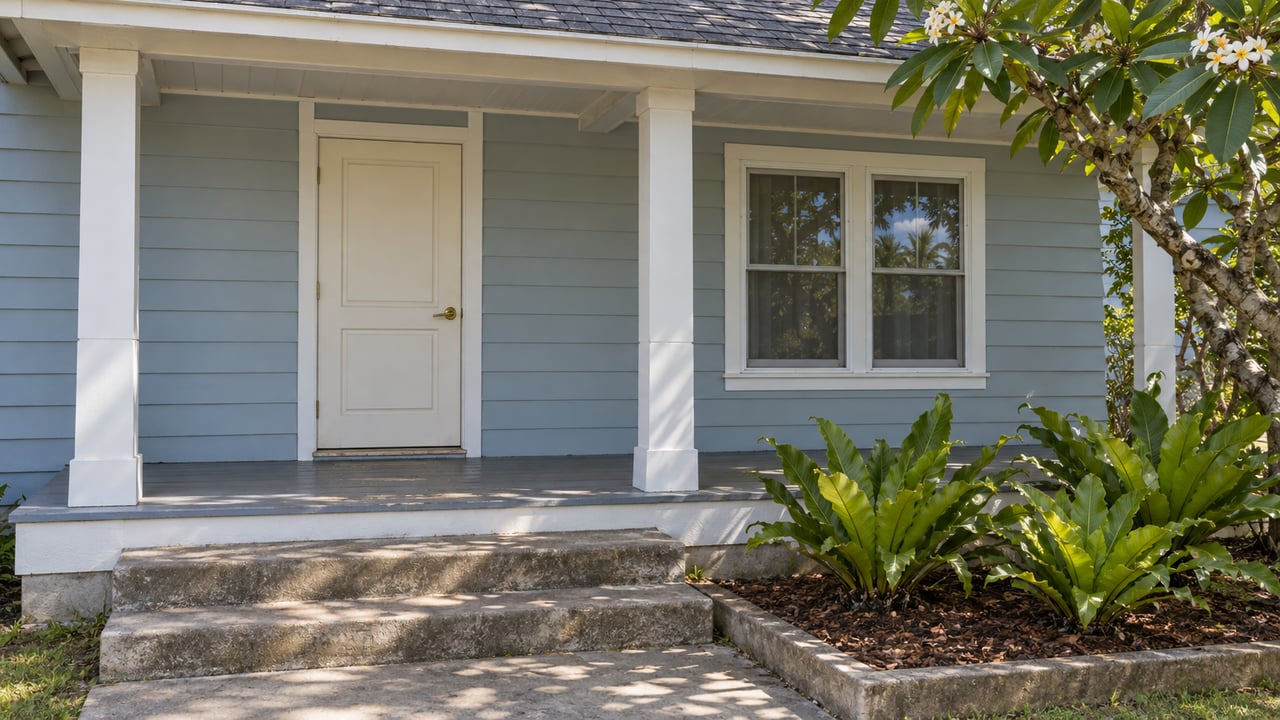
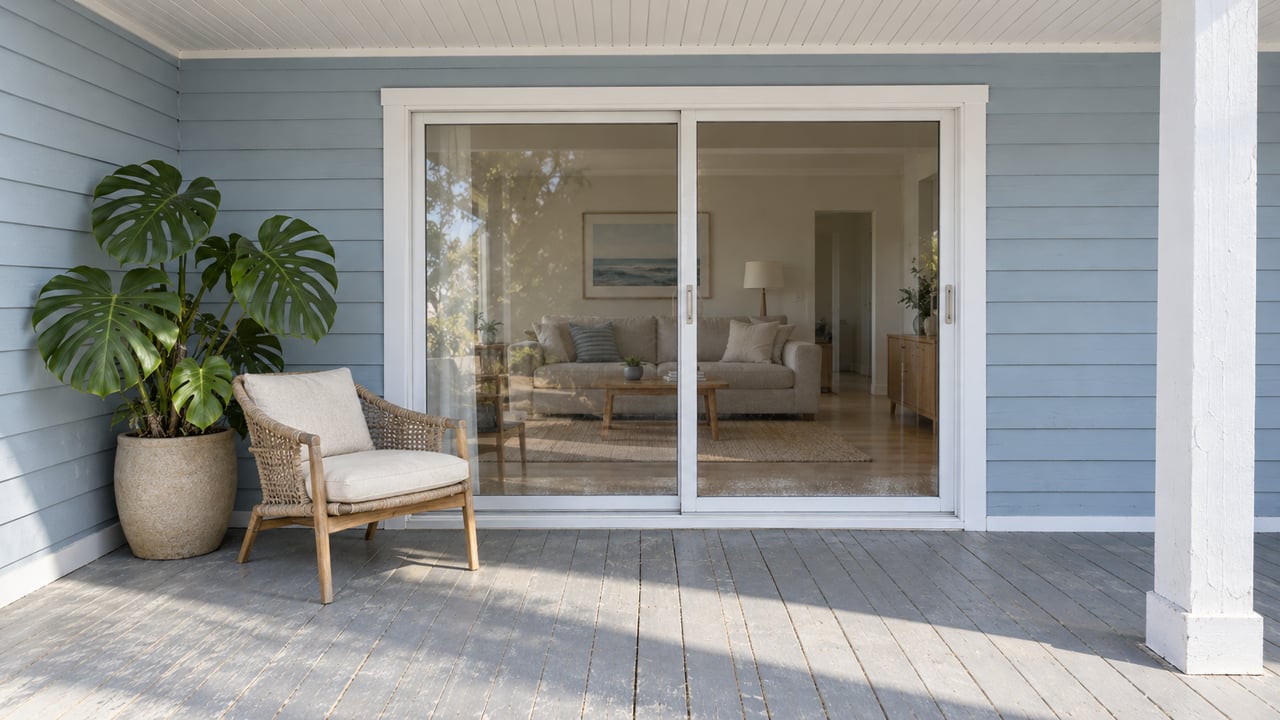
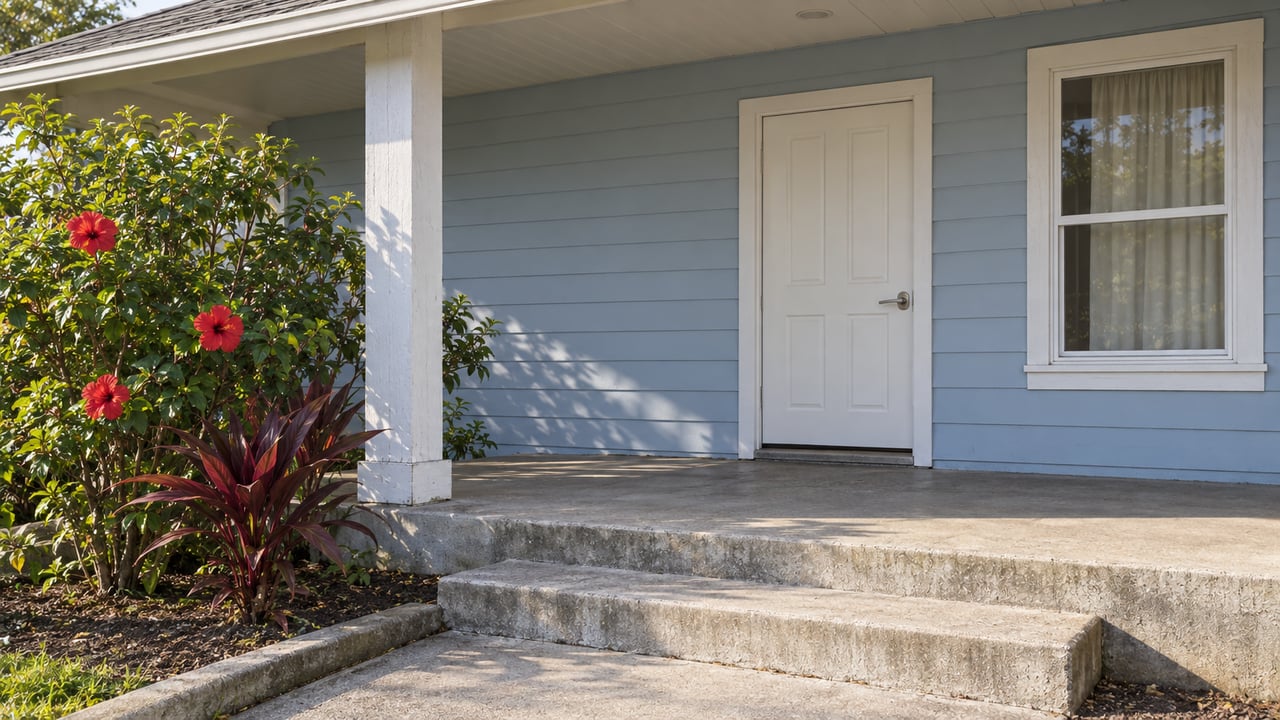
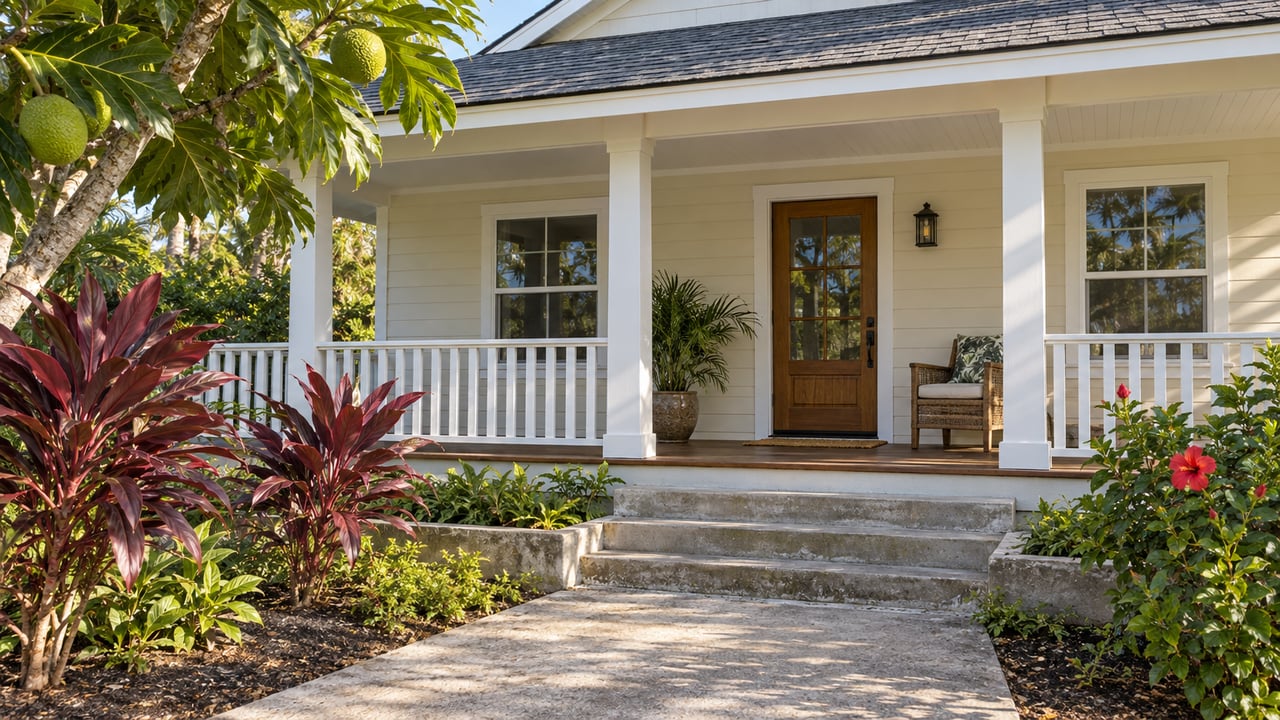
Property types in East Maui range from small homes in Hāna town to rural residential and agricultural parcels upslope, plus select oceanfront lots. Many properties have private infrastructure such as unpaved driveways, catchment systems, or private water. Think rural Maui rather than suburban. Plan for extra maintenance, thorough inspections, and tailored insurance.
Zoning, shoreline rules, and the Hāna community plan will shape what you can build or improve. Short-term rentals and visitor accommodations are closely regulated at the county level, and limits vary by plan and zone. Always verify current rules and permit history with Maui County planning before you count on rental income or an expansion. For leasehold or state trust lands, confirm title type early and review any homestead or agricultural lease implications.
Use this checklist as you evaluate properties and build your budget:
If you love nature, privacy, and community, East Maui can feel like home right away. You will plan ahead for shopping, power, and connectivity, and you will learn the rhythms of the highway and the weather. In return, you get quiet mornings, dark starry nights, and a place where stewardship matters. If that balance speaks to you, the next step is a property tour and a practical plan for utilities and permits.
Ready to explore Hāna and East Maui with a local guide who knows the roads, rules, and rhythms? Connect with Brandy Aki to get a tailored shortlist and an on-island game plan.
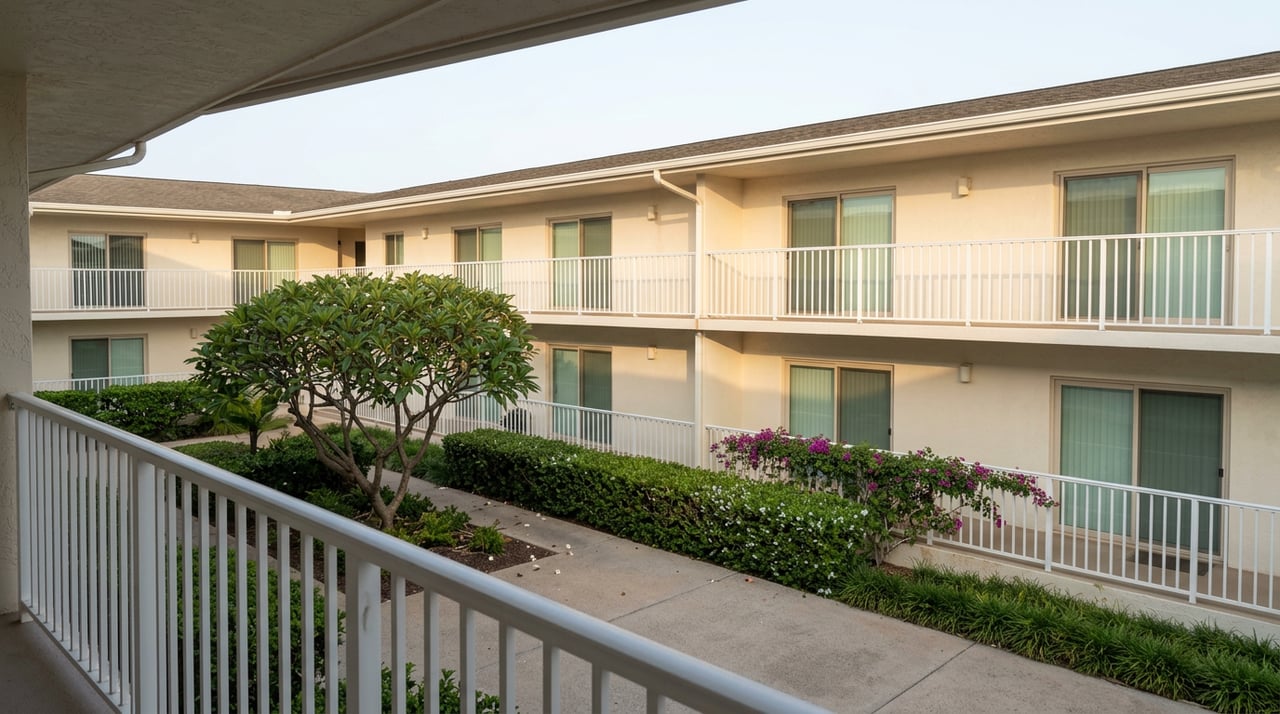
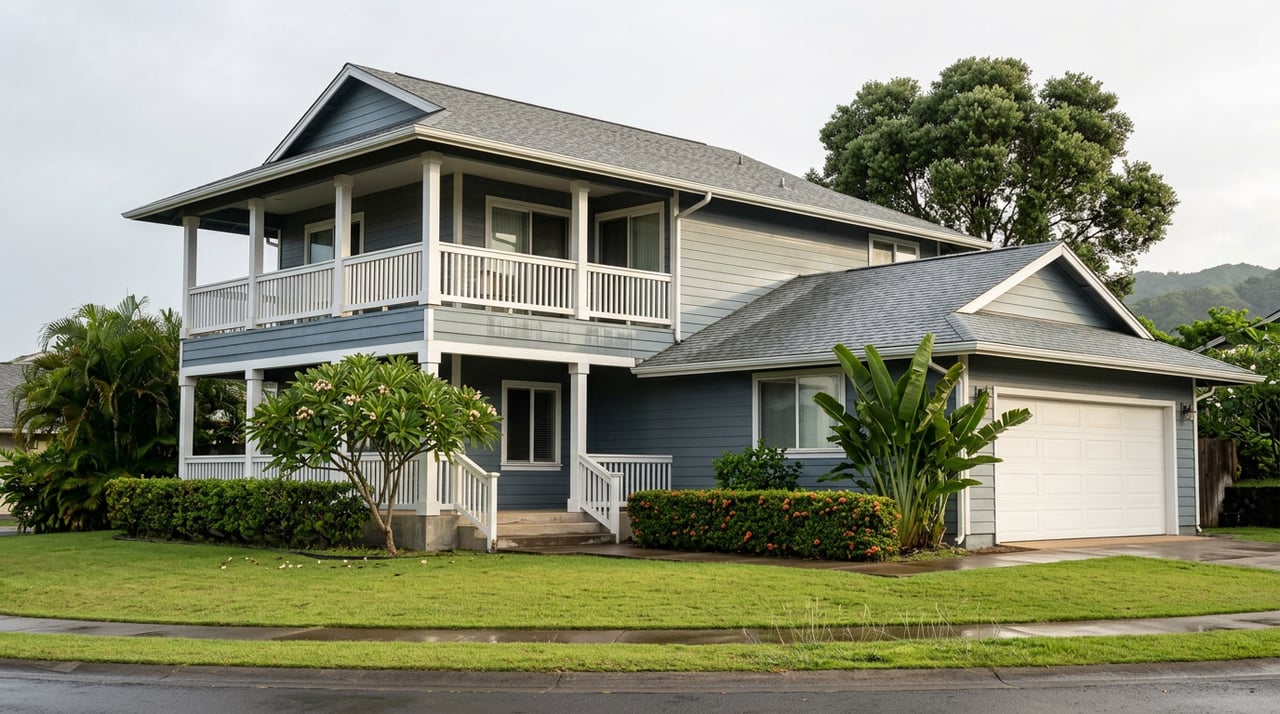
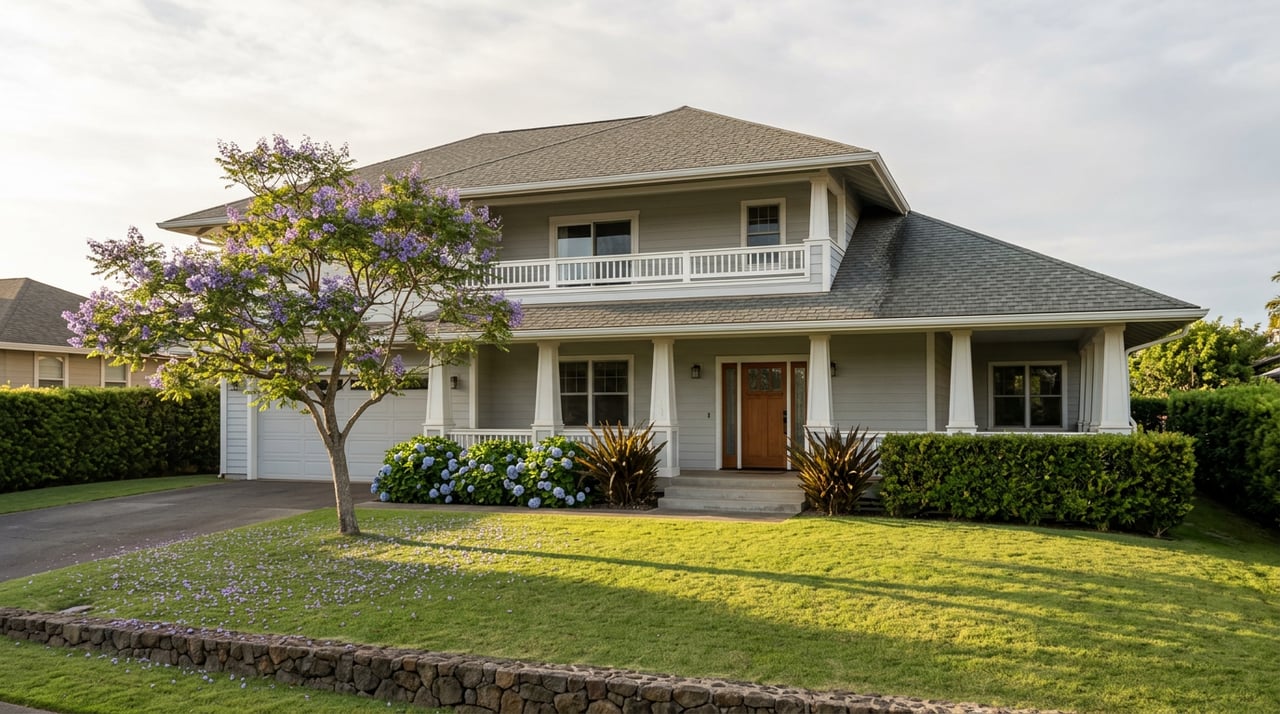
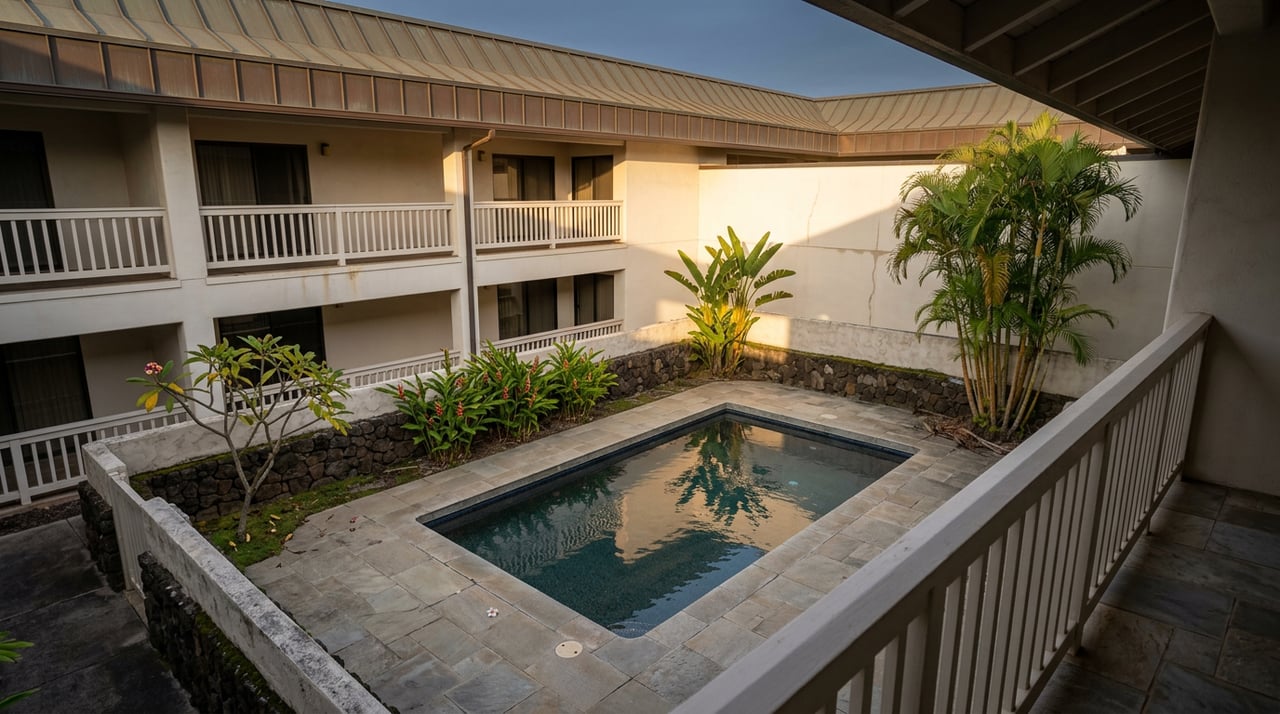
The possibilities in Maui real estate are boundless, whether you are looking to settle permanently in a Maui home or perhaps part time in a condo that you can rent out for the rest of the year. If you want to build, you will find a myriad of beautiful vacant land listings to choose from.