North Shore Maui Real Estate, Lifestyle & Homes
February 5, 2026
February 5, 2026
If you picture your Maui mornings with salt spray in the air and trade winds at your back, the North Shore may be calling. You might be weighing Paia’s surf culture against Haiku’s green valleys and wondering how Wailuku fits into daily life. You want real insight on lifestyle, homes, rules, costs, and risks before you take the next step. This guide breaks down what day-to-day living looks like on the North Shore, how Wailuku serves as your practical hub, and what to know as a buyer. Let’s dive in.
Wailuku sits at the western edge of Maui’s North Shore corridor and serves as the county seat, with administrative offices, courts, and many essential services nearby. It often functions as the closest town for errands, healthcare, and government needs even if you live in Paia, Haiku, or Spreckelsville. The nearby Kahului area adds airport access and larger shopping options.
The North Shore faces the open North Pacific, which means strong northeast trade winds and more rainfall than the island’s leeward sides. You will find microclimates across short distances, from lush, wetter valleys inland to breezier, sunnier strips along the coast. Beaches and rocky shorelines line the coast, while agricultural and low-density residential parcels spread inland.
The North Shore is a center for ocean sports. You will see windsurfing and kitesurfing near Paia and Ho‘okipa, with world-class big-wave surfing at spots like Pe‘ahi during winter swells. Ocean access shapes local businesses, events, and the easygoing pace of daily life.
Expect a trade-wind-driven climate with frequent breezes and higher rainfall than South Maui. Winter brings more storms and larger surf. Many homes use wind and water-resistant features, and rural roads can get muddy after heavy rain in some pockets.
You will find cafés, surf shops, and small markets in Paia’s walkable core. For full-service groceries, big-box stores, and specialty items, most people head to Wailuku and Kahului. Farmers markets and local food culture are strong, and community events are common across central and North Shore towns.
Major medical services are available at Maui Memorial Medical Center in the Wailuku and Kahului area, with urgent and primary care clinics across North Shore communities. Public schools are part of Hawaii’s statewide system, and private or charter options vary by neighborhood.
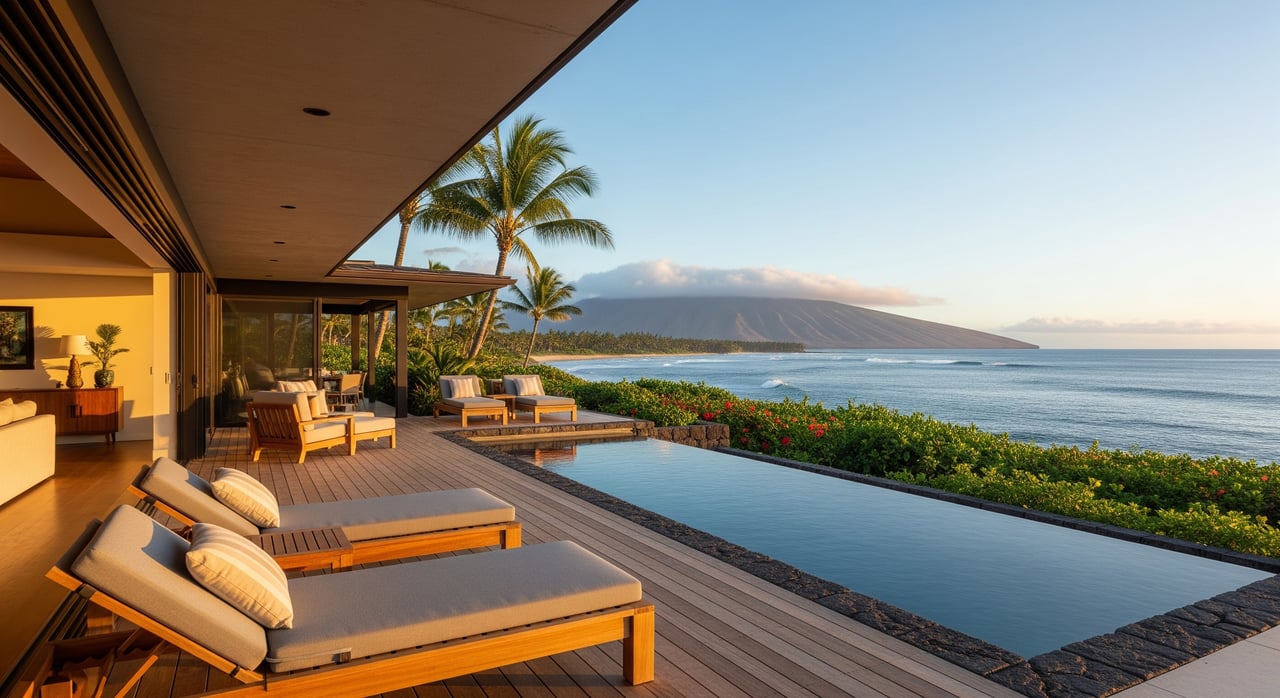
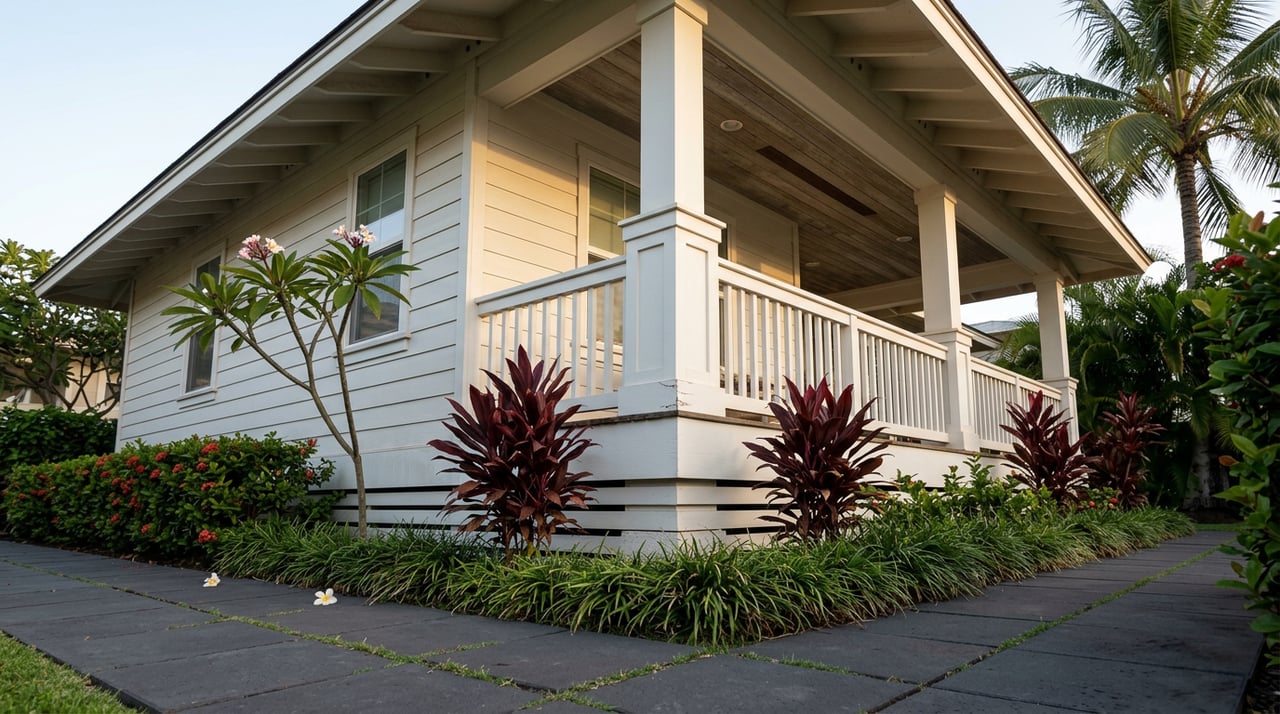
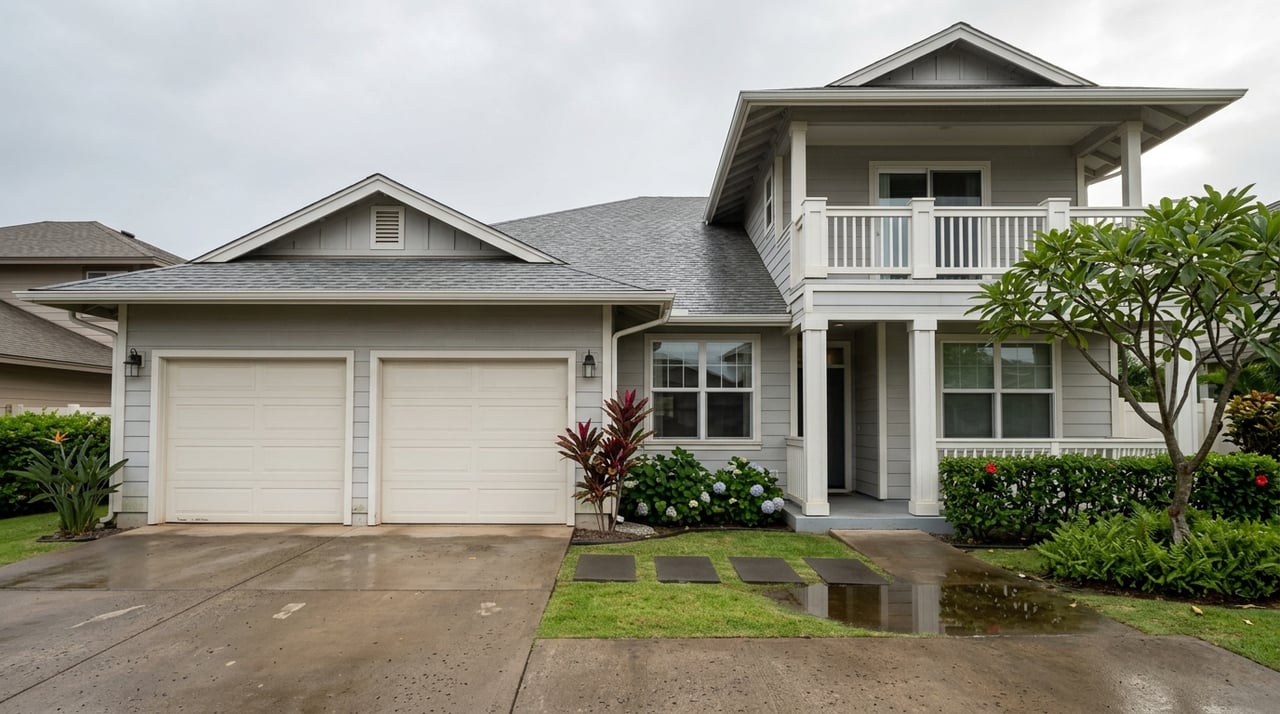
You will see a mix of older plantation-era cottages, modest ranch-style homes, and newer custom builds. Beachfront homes exist in select areas, while inland neighborhoods offer more privacy and greenery. Inventory can be tight in the most desirable pockets.
Inland Haiku and upland areas feature larger parcels suited to small farms, homesteading, or estate-style living. Many parcels are zoned Agricultural, which can involve different permitting requirements, water meter considerations, and tax implications.
Condominiums are more limited on the North Shore than in other Maui regions. Some clusters sit near Paia and certain coastal strips. If low-maintenance living is your goal, you will want to watch for new listings and act efficiently.
Vacant residential or raw land is available for those who want to build. Confirm access roads, utility connections, and zoning before you fall in love with a parcel. Permits and infrastructure can add time and cost to your plan.
Maui’s market typically sits above U.S. mainland medians, and North Shore inventory can be limited. Post-pandemic appreciation and later cooling affected segments differently, and conditions change often. Use current local market reports and on-the-ground guidance to set expectations.
Carrying costs vary by location and exposure. Coastal and high-wind areas can see higher insurance premiums, and shoreline risk may affect insurability. Property tax rates are often lower than many mainland areas on a rate basis, but assessed values can be high, which results in meaningful tax bills.
Maui County zoning is the baseline for what you can build and how you can use a property. Expect a mix of Agricultural, Country, and residential zone types across the North Shore. Short-term rentals are regulated more strictly than in many mainland markets. Some neighborhoods prohibit new short-term rentals, and permitted properties must meet county standards. Always confirm a property’s status and any permits with county records before you write an offer.
Kahului Airport is the island’s primary airport, and travel times from Wailuku and nearby North Shore towns are usually measured in tens of minutes. The main routes are Honoapiilani Highway and Hana Highway, which can see congestion during peak seasons and holidays. Some rural properties have narrow, winding access roads, so it is smart to test your drive during different times of day. Maui County bus service connects major centers, though frequency is limited, so many residents own cars.
Water service comes from the Maui County Department of Water Supply in many built-up areas, while rural parcels may rely on rainwater catchment or private wells. Water meter availability can be a constraint for new builds and can affect your timeline and budget. Many older homes still use cesspools or septic systems, and Hawaii has a statewide cesspool phase-out policy. New builds require modern wastewater systems and county permits.
Electricity is provided by Hawaiian Electric. The grid is generally reliable, but storms and maintenance can cause outages, especially in windier pockets. Internet service varies by neighborhood, so it is wise to verify providers, speeds, and fiber availability at the address level early in your search.
Coastal parcels may sit within tsunami evacuation zones, and you should review official maps and routes for your area. Sea-level rise and shoreline erosion are active concerns that can influence setbacks, redevelopment options, and insurance. Strong wind and heavy rain can trigger flooding or road closures in storm events, while wildfire remains a consideration in dry, brushy areas across the island.
Even if you fall in love with a home near Paia or land in Haiku, Wailuku often becomes your home base for errands, healthcare, and county services. You will be close to the hospital, courts, and government offices, with quick access to Kahului’s airport and larger stores. For many buyers, this balance delivers both the North Shore lifestyle and day-to-day convenience.
Use this checklist to narrow your search:
Ready to explore North Shore living with local guidance rooted in Wailuku? Our family team combines deep island knowledge with full-service support, including sales, land, condos, and property management. Reach out to Brandy Aki to start a plan tailored to your lifestyle and budget.
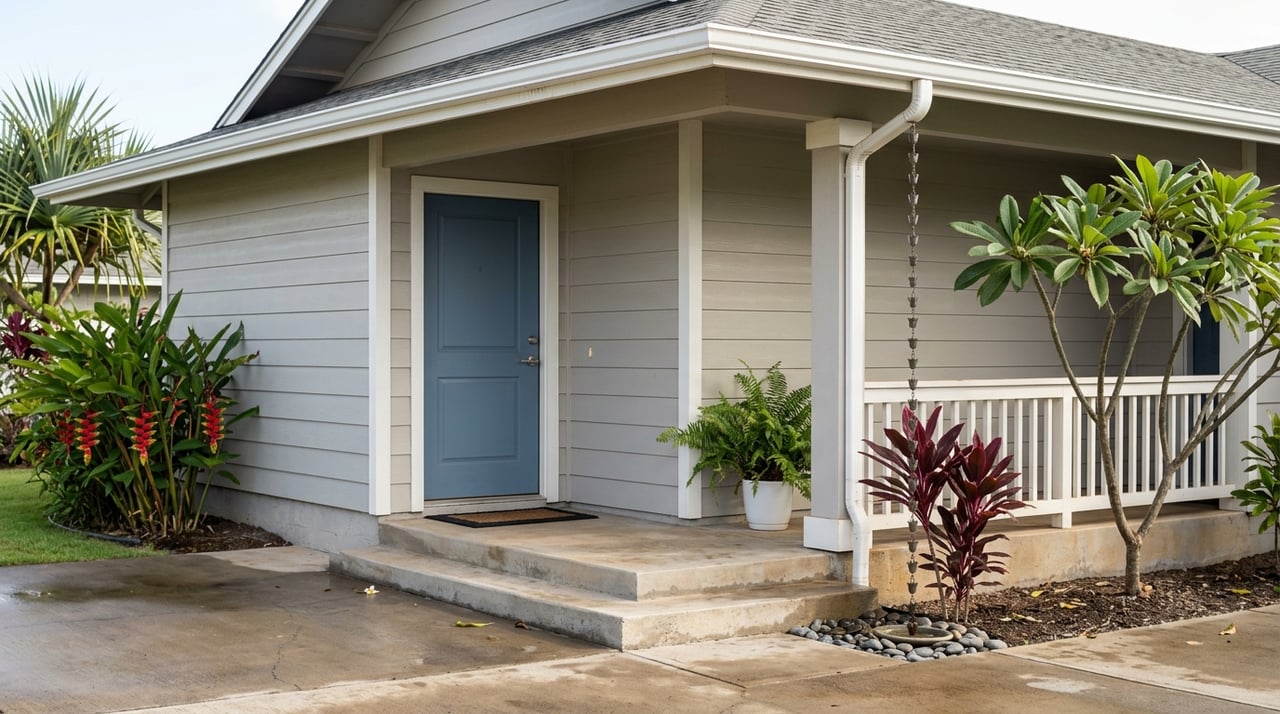
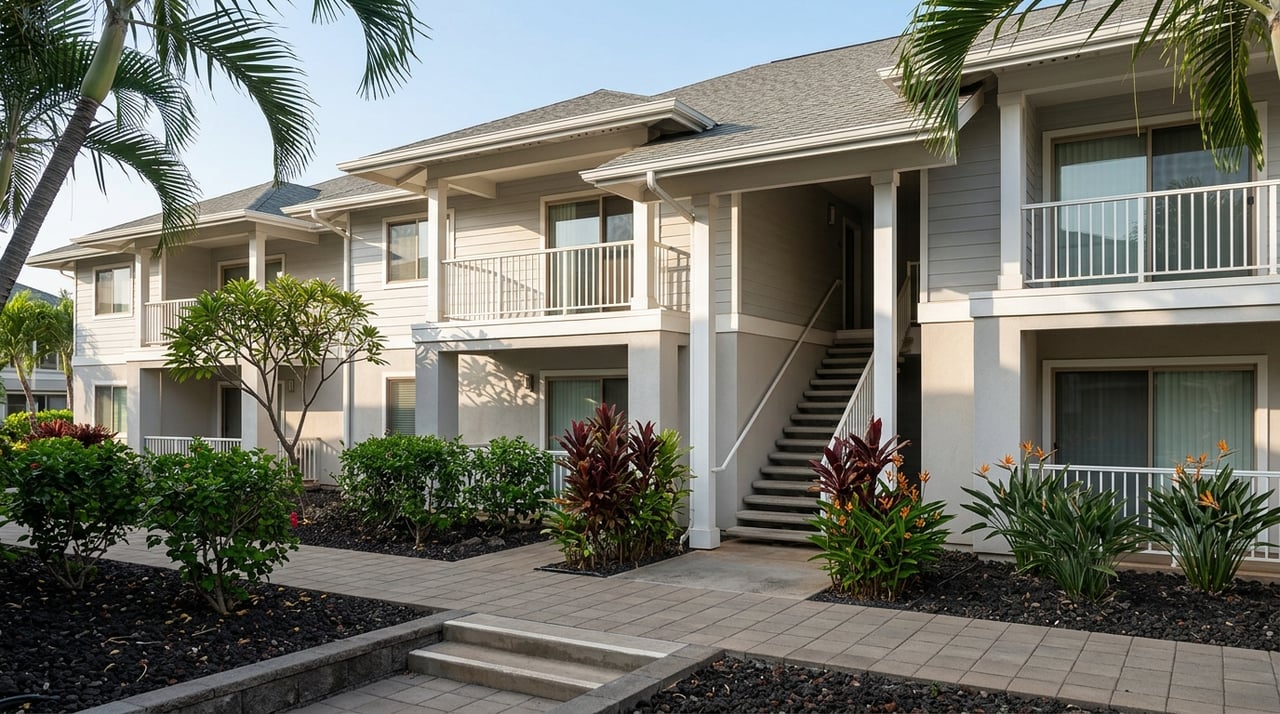
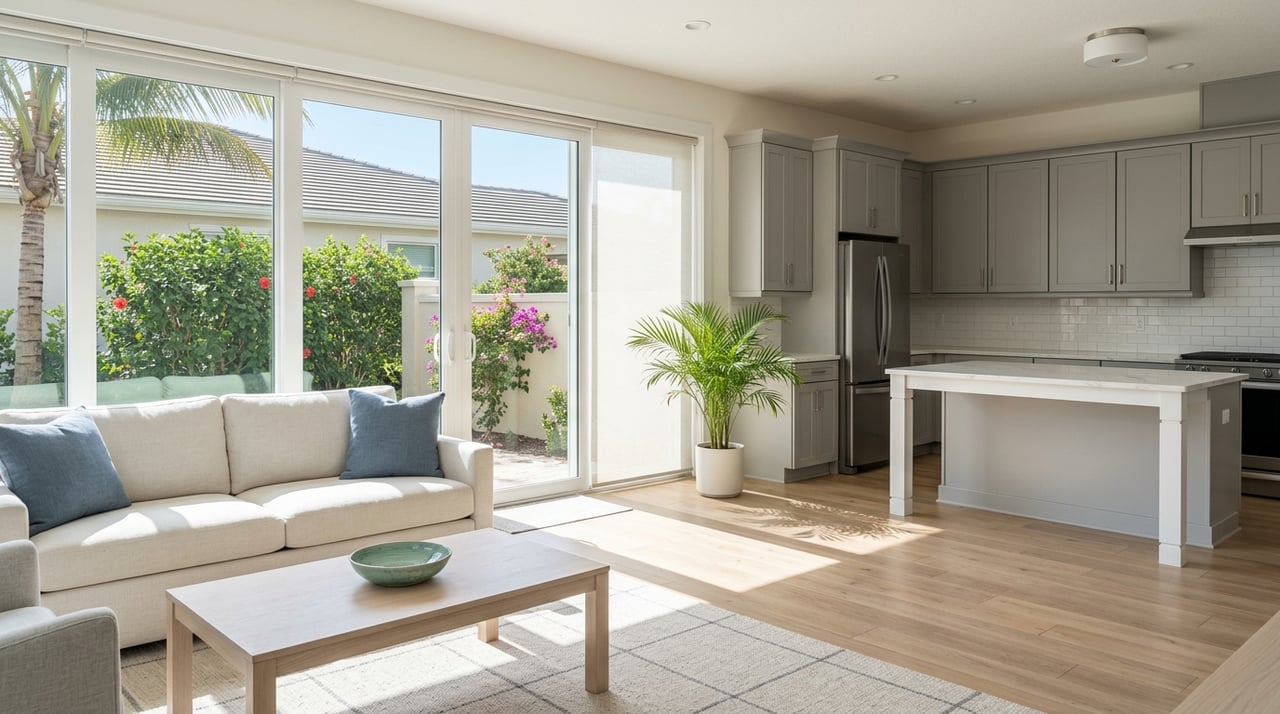
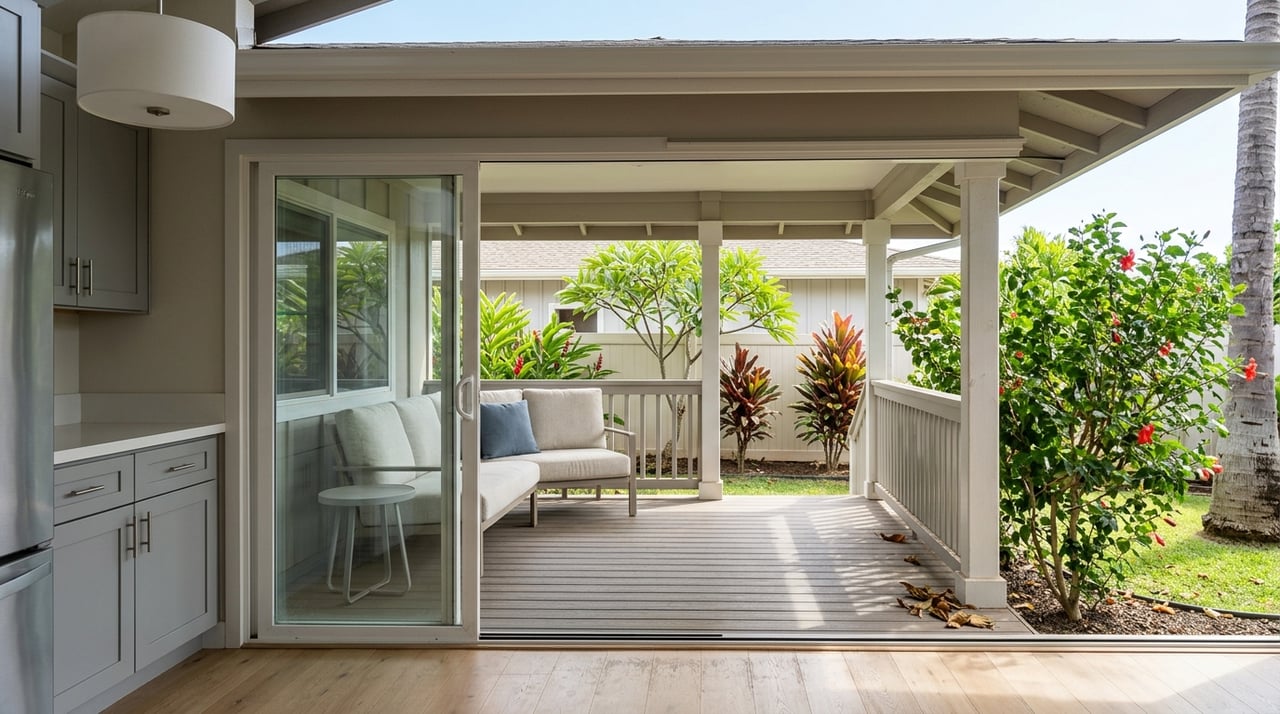
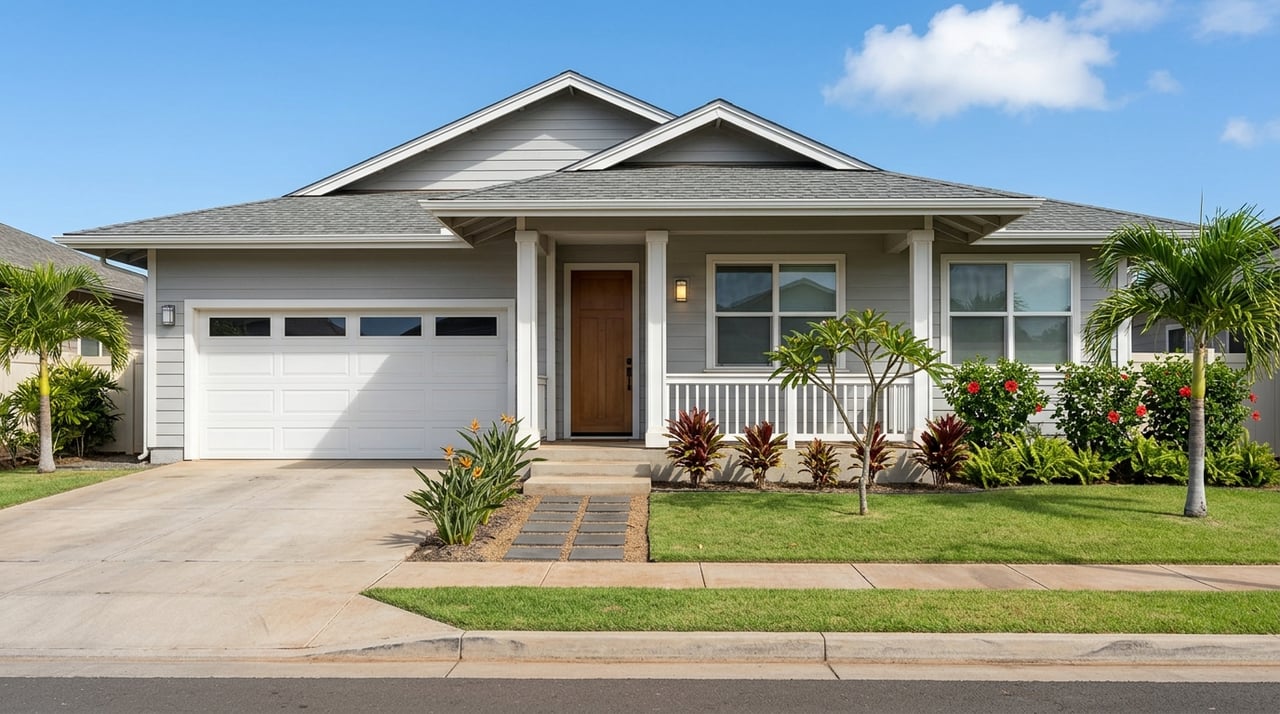
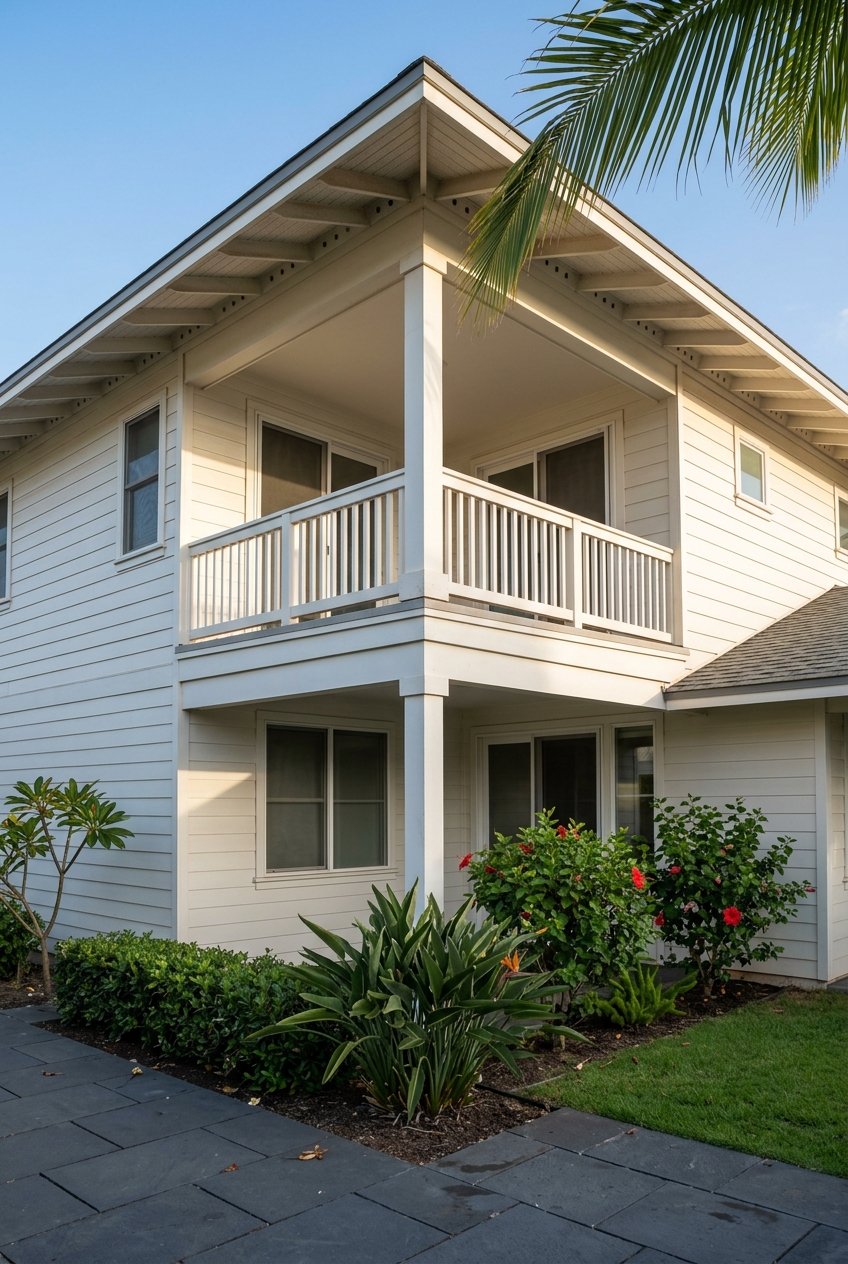
The possibilities in Maui real estate are boundless, whether you are looking to settle permanently in a Maui home or perhaps part time in a condo that you can rent out for the rest of the year. If you want to build, you will find a myriad of beautiful vacant land listings to choose from.