Lanai Second Home Real Estate Guide: Neighborhoods & Access
February 19, 2026
February 19, 2026
Craving a quieter Hawaiian second home where you can unplug without giving up resort comforts? Lāna‘i might be exactly what you picture: small, scenic, and easy to navigate once you learn the rhythms of island access. In this guide, you’ll get a clear look at neighborhoods, typical property types and prices, how to get here, and what daily life feels like for part‑time owners. Let’s dive in.
Lāna‘i is Hawai‘i’s sixth‑largest island at about 140 to 141 square miles, with a resident population of roughly 3,300 to 3,400 people. Nearly the entire island is privately owned, and much of the land is zoned agricultural or conservation. That structure limits where homes can be built and keeps inventory thin compared with larger islands. Expect a smaller market with fewer listings and longer search windows. Learn more about Lāna‘i’s background and Maui County context.
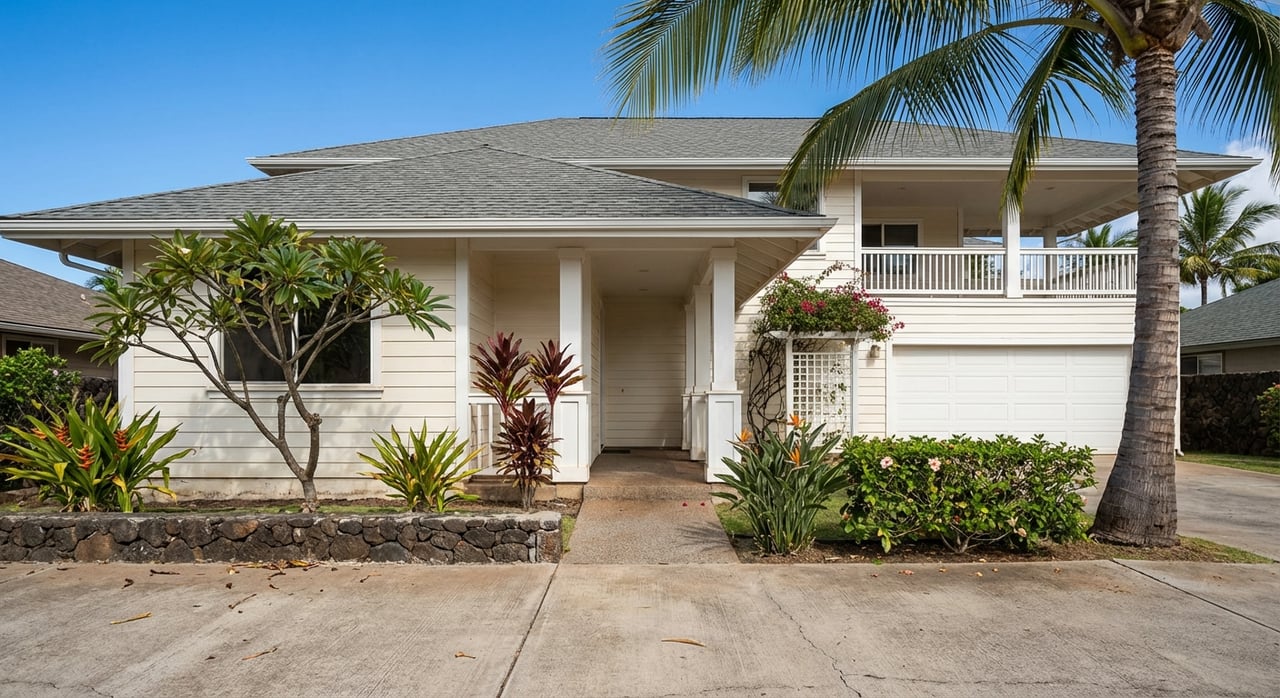
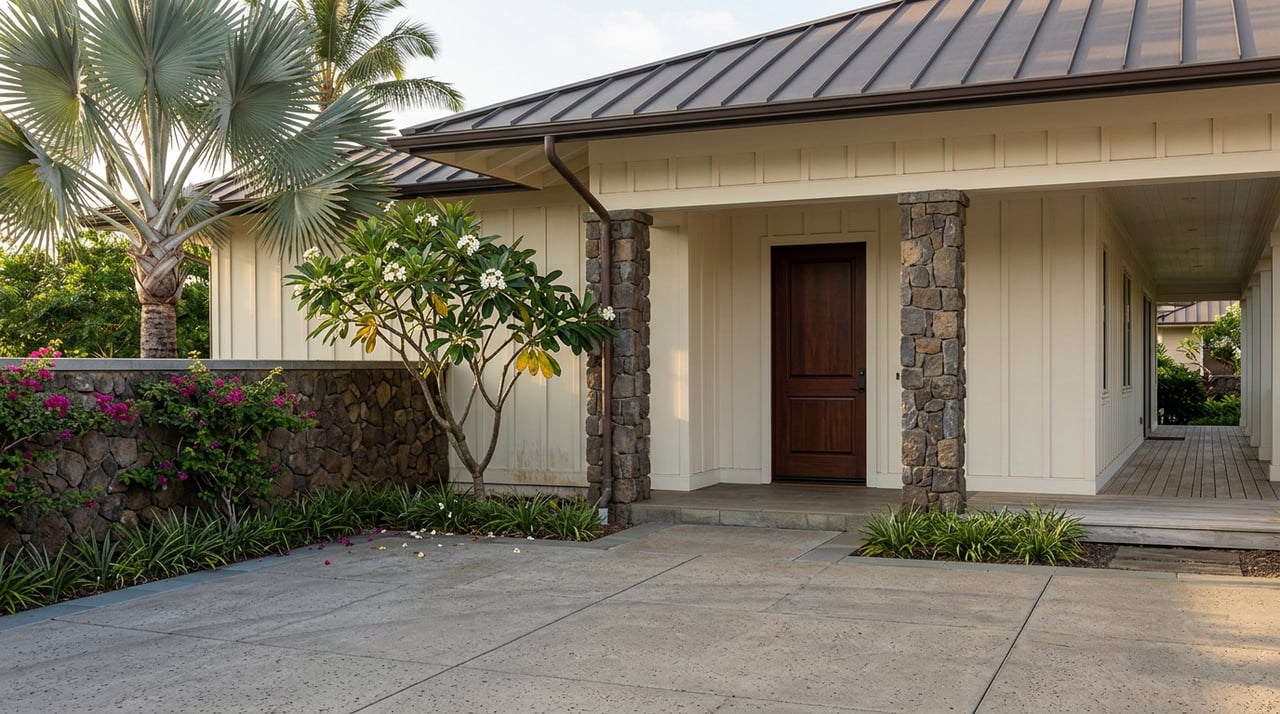
Lāna‘i City is the island’s hub for everyday life, set on a plantation‑era grid with shops, dining, and services. You’ll find the public K‑12 school here and the island’s medical clinic and hospital. Housing includes classic plantation cottages, mid‑century homes, and some newer infill. It is practical if you value walkable access to basics and cooler upcountry weather.
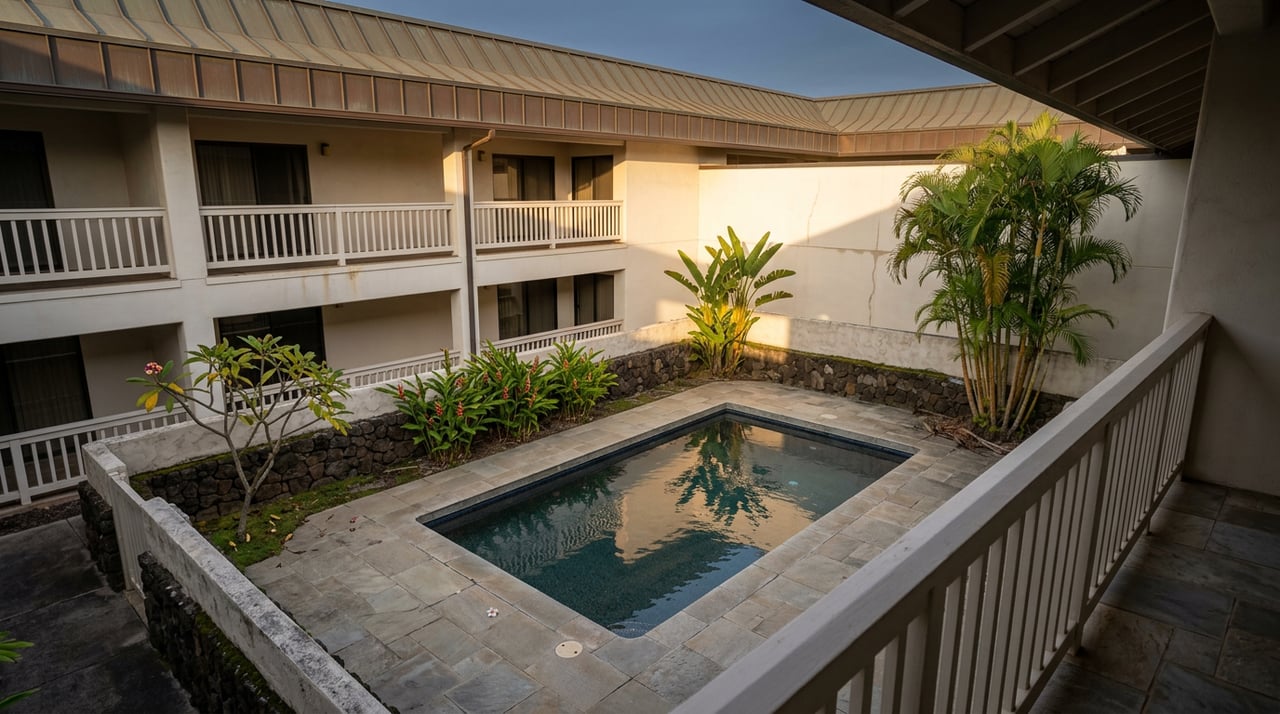
This coastal district is the main luxury resort zone near the Four Seasons and the golf course above Hulopoʻe Bay. You’ll see resort‑adjacent condos and townhomes, a handful of oceanfront estates, and select buildable lots. Many listings note separate membership options for resort and golf amenities, which can be central to the lifestyle here. The area pairs ocean views with easy access to resort dining and activities. For context on the resort setting, see this Four Seasons partnership overview.
Upcountry near the Lodge at Koele, you get cooler temperatures, open landscapes, and a country feel. Properties tend to be estate‑style or custom homes when available. This area offers a different microclimate and scenery than the coast. It appeals if you want privacy and green views over ocean frontage. A historical snapshot of the Koele resort setting can be found in industry coverage.
Much of Lāna‘i remains ranch and conservation land with open space, trails, and limited paved access. Some parcels come to market as vacant lots or agricultural acreage. Development and utility connections vary by location, and some access roads are unpaved. Review Maui County resources for an overview of land and services on Lāna‘i at Maui Nui Strong.
Inventory is limited, so prices reflect scarcity and location. In the resort area near Manele, luxury condos and townhomes typically trade in the low millions to multiple millions, with two‑ and three‑bedroom units often in the 2 to 5 million range. In Lāna‘i City, modest plantation homes can list under 1 million, while renovated or golf‑adjacent properties can reach the mid 1 to 3 million range. Lot pricing varies widely with utility readiness and proximity to the resort zone. Because the market is small, a single luxury sale can swing zip‑level medians, so look at specific comparables over several months rather than one headline number.
The Expeditions ferry runs regular passenger service between Maui and Mānele Harbor on Lāna‘i. The crossing typically takes about 1 hour to 1 hour 15 minutes each way, with multiple round trips most days. If you plan frequent weekend use, confirm current ports and schedules directly with the operator. Check the latest details on the Lāna‘i ferry.
Small‑plane operators connect Kahului and Kapalua with Lāna‘i Airport. Flight time is about 30 to 40 minutes from Maui. Aircraft are small and have luggage and weight limits, and service availability can change, so review schedules and baggage rules before you book. Private charters are an option for urgent or same‑day needs at higher cost. See a practical overview of island transit in this Maui to Lāna‘i transportation guide.
Many interior roads are unpaved and require four‑wheel drive or guided excursions. Owners in the resort area often use golf carts for short trips. Plan for longer drive times than the map suggests between Lāna‘i City, Koele, and Manele due to grades and road types. Maui County provides an island services overview worth reviewing.
Lāna‘i has a single public K‑12 school in Lāna‘i City. If you have school‑age children, this is the local public option. For specialty or off‑island programs, families travel to Maui. Get school information from the official site.
The island hosts a clinic and a small hospital, with many specialty services handled on Maui. For urgent or inpatient needs that exceed on‑island capacity, transfers to Maui are common. Plan for travel time when you assess access to care.
Water planning on Lāna‘i uses island‑specific systems and policies. Confirm water service, power, and wastewater details during diligence, and ask for recent billing to understand monthly costs. Review the Lanai Water Use and Development Plan for background. The island has also hosted early solar and battery projects, so renewable initiatives can affect options at certain properties. See an overview of solar in Hawai‘i for context.
Many Manele‑area properties reference Island Club or similar resort memberships. These can include golf privileges and access to select Four Seasons amenities. Memberships are often separately priced or transferred with approvals, and they can shape the day‑to‑day value of owning near the resort. Ask for a written summary of costs, transfer rules, inclusions, and any blackout dates before you set an offer budget.
If you plan to rent your property, Hawai‘i requires General Excise Tax registration and, for rentals under 180 days, Transient Accommodations Tax filings. The state has stepped up enforcement, and penalties apply for noncompliance. Start with the Hawaii Department of Taxation’s rental guidance.
Maui County applies different property tax classifications for owner‑occupied homes, non‑owner occupied homes, long‑term rentals, and short‑term rentals. Short‑term rental classifications usually carry higher tax rates than owner‑occupied or long‑term rental tiers. Rules and rates change, so confirm current classifications, rates, and any permit requirements with Maui County Planning and the Real Property Tax Division. Also confirm HOA or resort rules, since some communities limit short‑term rentals or require specific management agreements.
Island properties face unique insurance needs, including wind or hurricane and, for some areas, flood coverage. Premiums and contractor costs can be higher due to shipping and logistics. Request quotes early, especially for oceanfront or older structures, and factor insurance into your annual budget and return analysis.
Use this simple checklist to organize your next steps:
Lāna‘i offers a rare mix of quiet, scenic living with resort amenities close by. The tradeoff is a smaller, slower market with limited inventory and travel logistics you will want to plan around. If you value privacy, simple routines, and the option to plug into a top‑tier resort when you choose, Lāna‘i belongs on your shortlist.
If you are ready to compare properties, memberships, and access in detail, connect with our Maui ohana. Brandy Aki and our Emerald Club Realty team will walk you through neighborhoods, budgets, and on‑island logistics so you can buy with confidence and enjoy your time here.
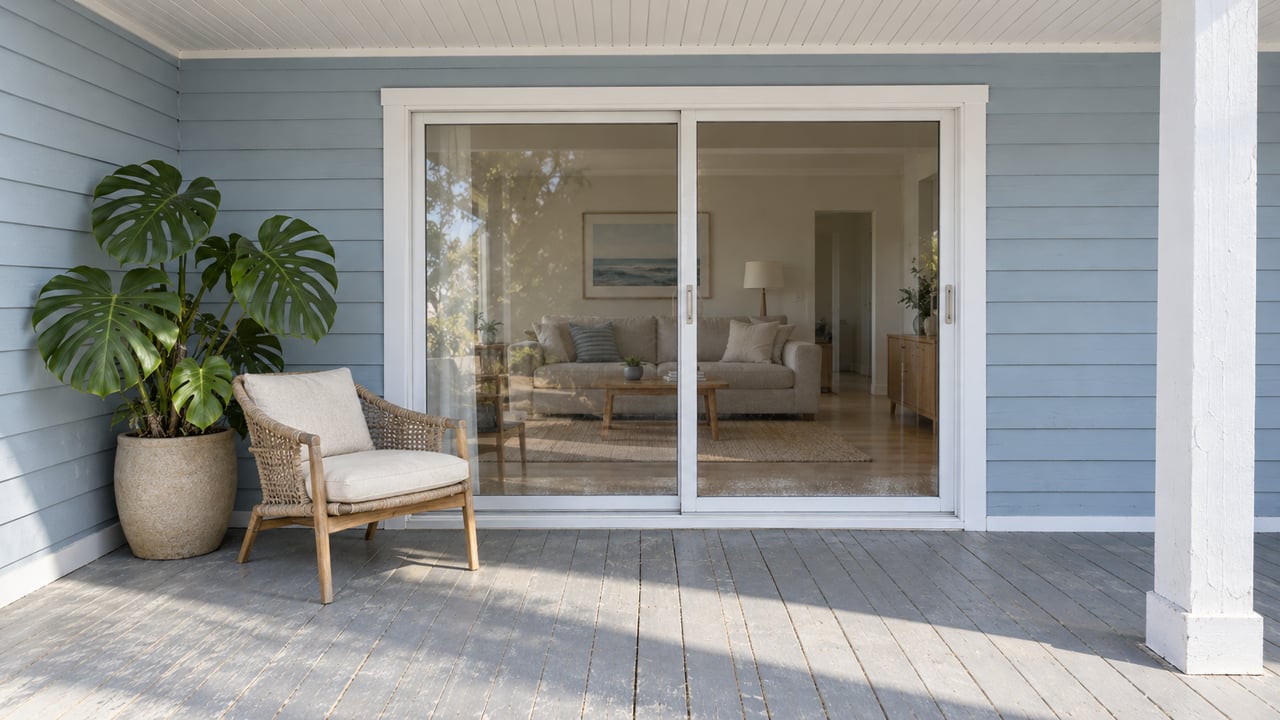
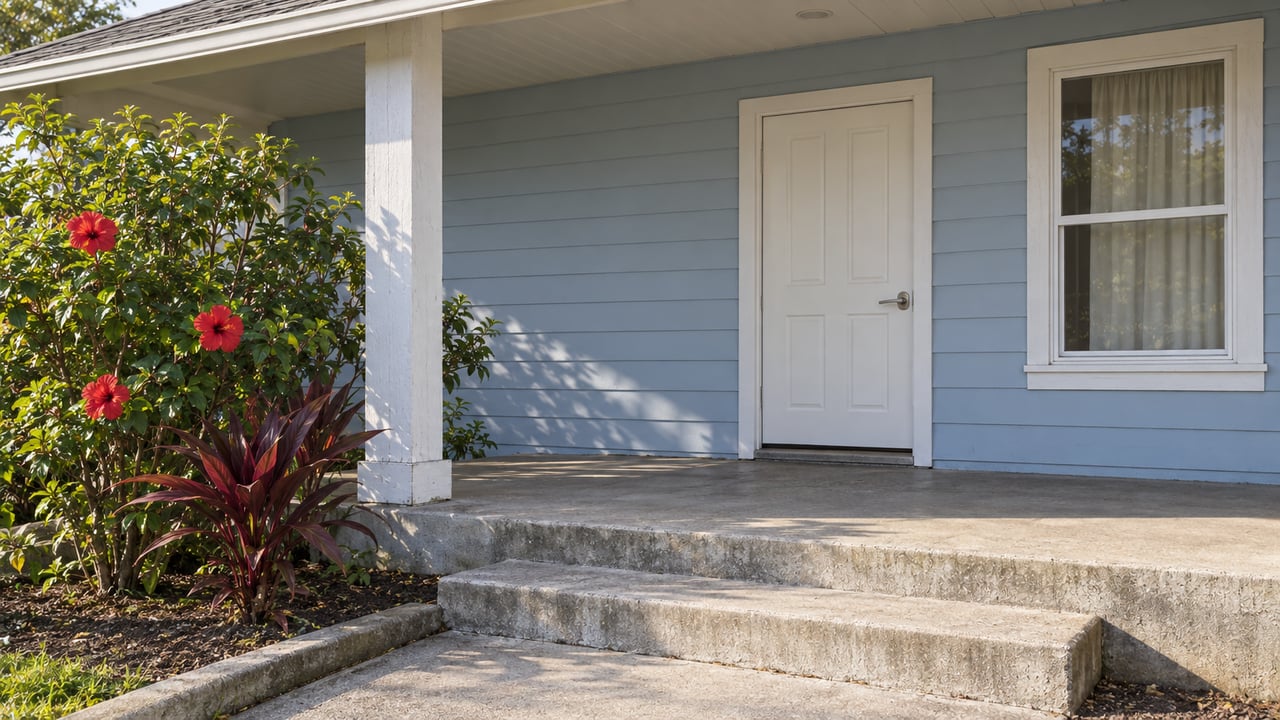
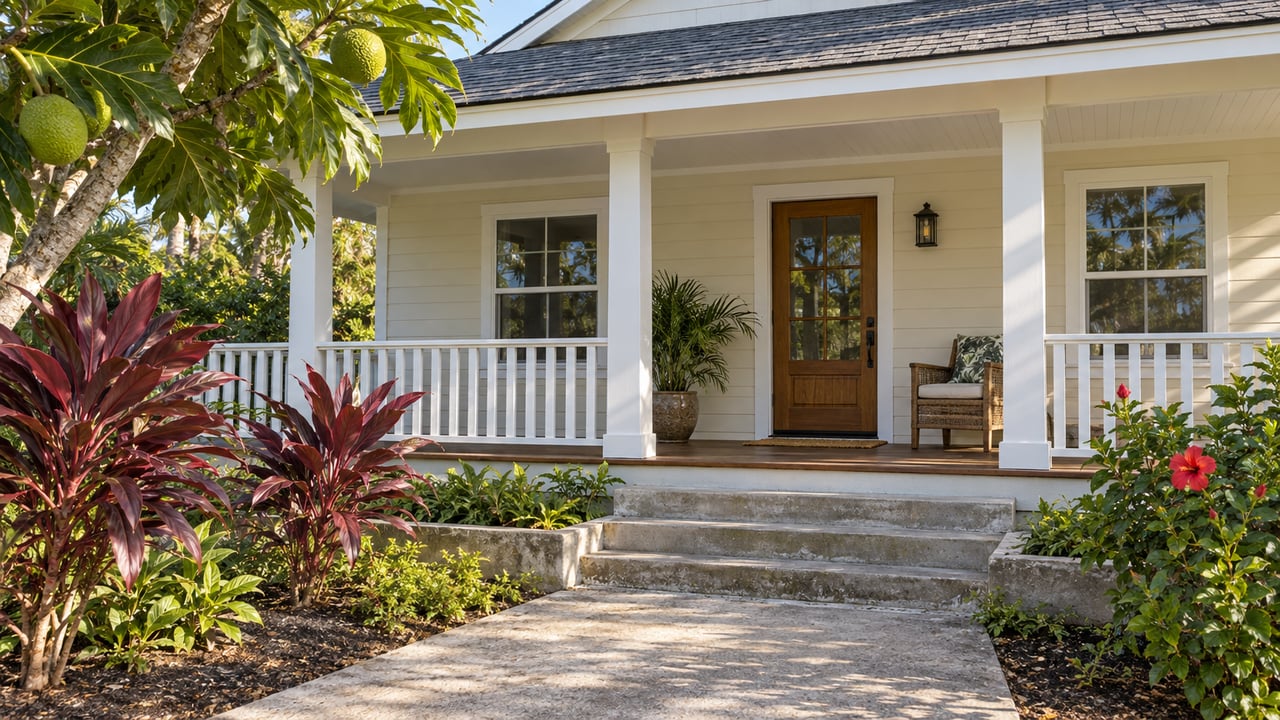
The possibilities in Maui real estate are boundless, whether you are looking to settle permanently in a Maui home or perhaps part time in a condo that you can rent out for the rest of the year. If you want to build, you will find a myriad of beautiful vacant land listings to choose from.