Trying to decide whether a condo or a single-family home on Molokai will be easier on your wallet? You are not alone. Island ownership comes with unique cost drivers, from AOAO dues to higher shipping and labor prices, and they can change the monthly picture more than you expect. In this guide, you will learn how costs stack up between condos and homes, what is different on Molokai, how to build a realistic monthly budget, and which documents to review before you buy. Let’s dive in.
Cost categories at a glance
When you add up the cost to own, you are looking at fixed recurring expenses plus variable and irregular items. Your total monthly number will include your loan, taxes, insurance, AOAO dues for condos, utilities, and a reserve for maintenance. The big difference between condos and homes is how those costs are packaged and who is responsible for what.
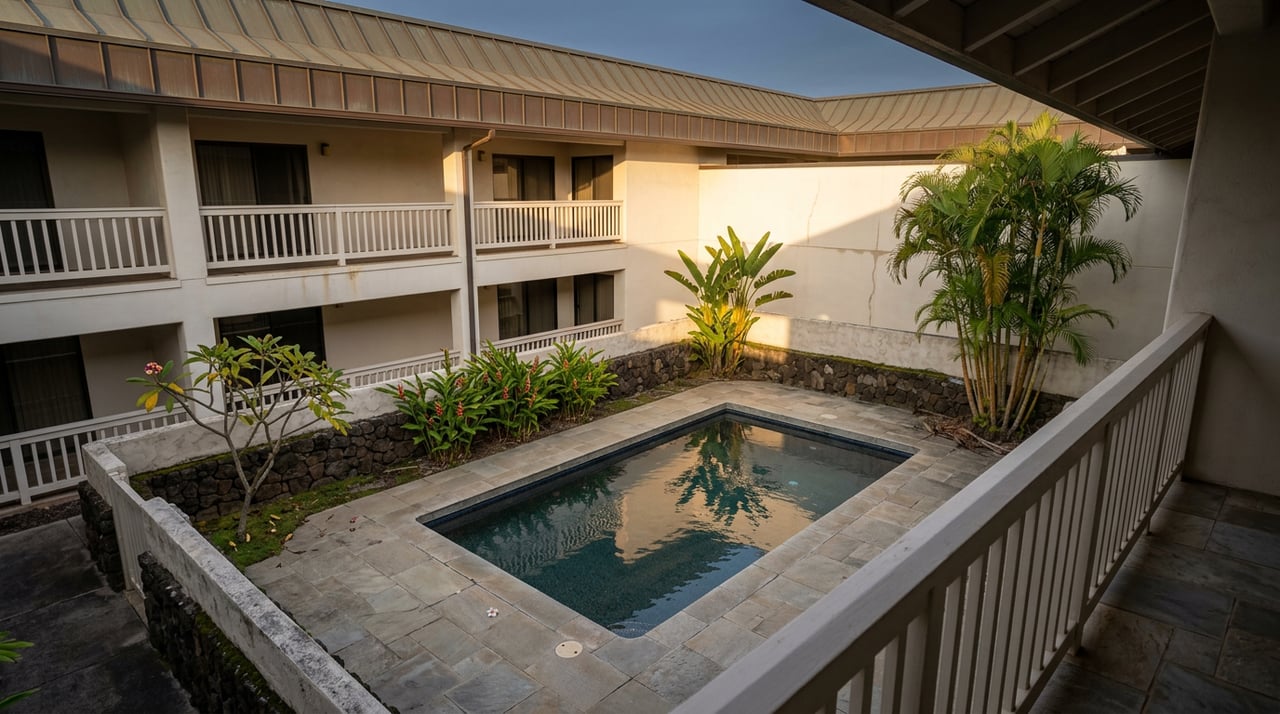
Condo costs and AOAO coverage
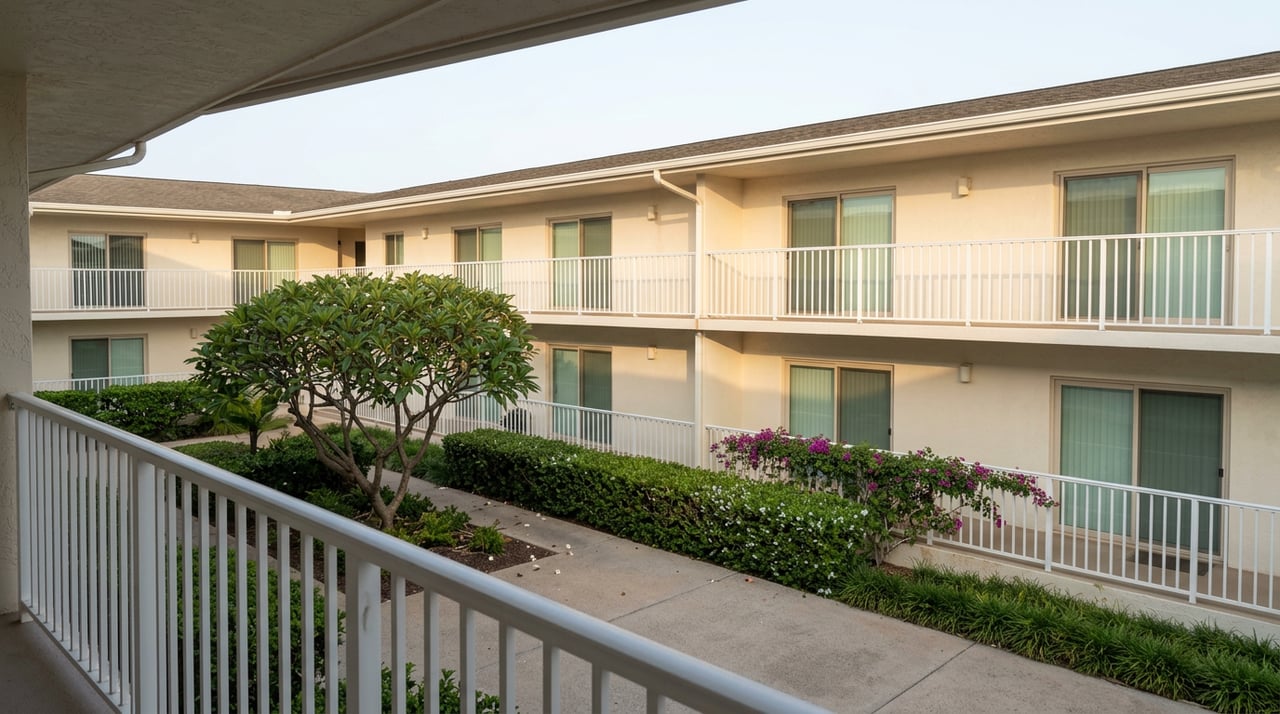
If you buy a condo, your AOAO dues are the most visible recurring fee. Depending on the association, dues may include:
- Common-area upkeep, repairs, and exterior items like roofs and walkways
- Building or structure insurance through a master policy for common areas and the building shell
- Water, sewer, trash, security, landscaping, and amenities in some complexes
- Management, administration, and reserve fund contributions for future projects
As an owner, you typically still handle interior repairs, personal property, and a unit-owner policy (HO-6). Utilities that are metered to your unit, pest control inside the unit, and any special assessments are also your responsibility. Your financial risk in a condo is tied to the association’s budgeting, reserve study, and rules. If reserves are not well funded, dues can rise or a special assessment can occur.
Single-family home costs
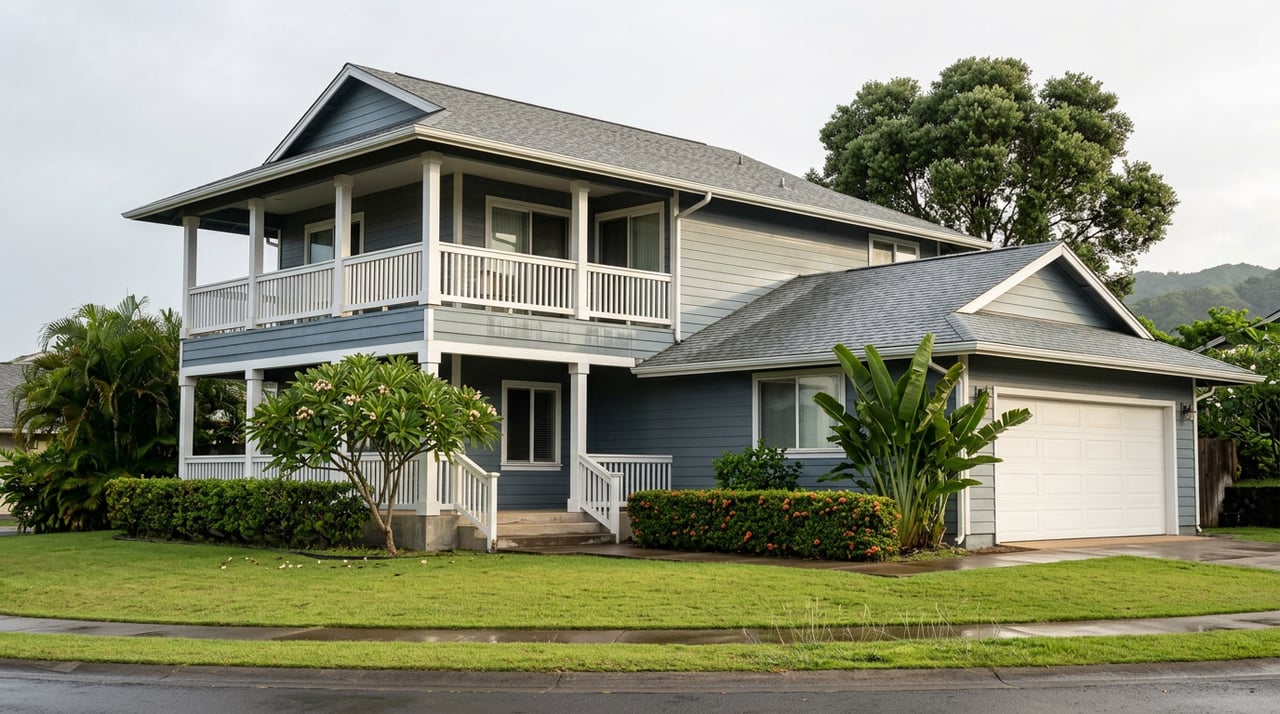
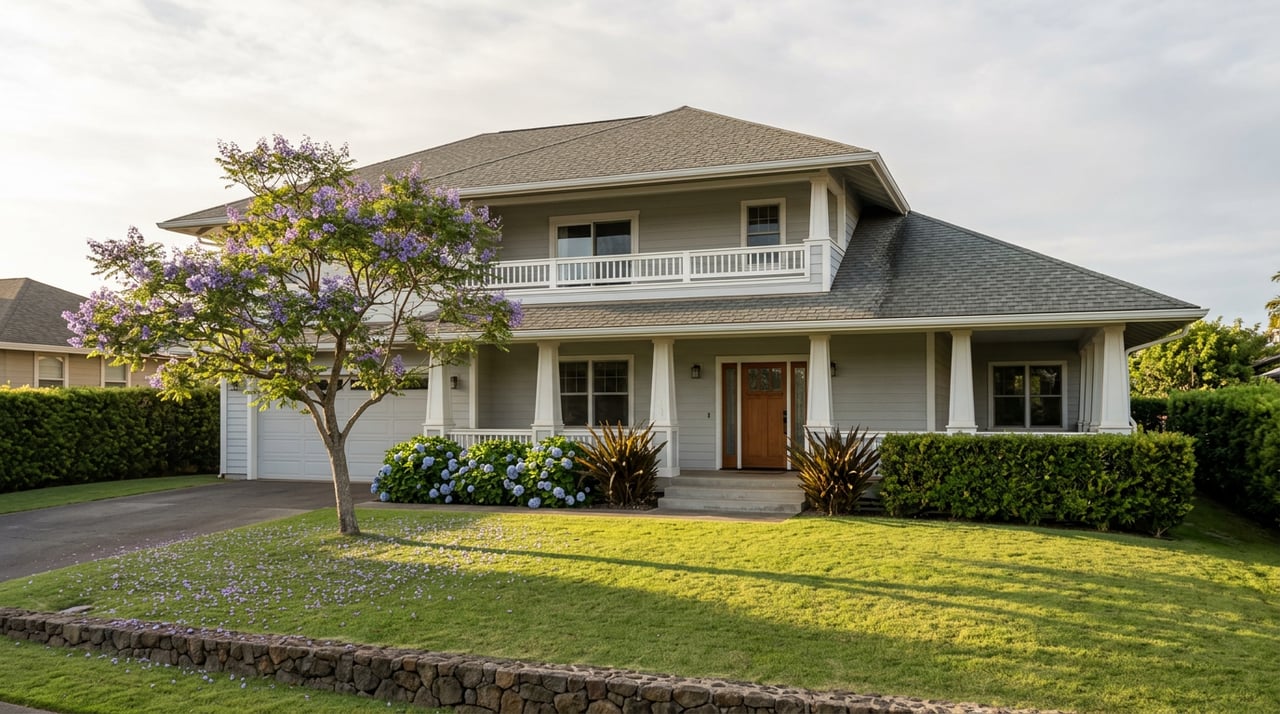
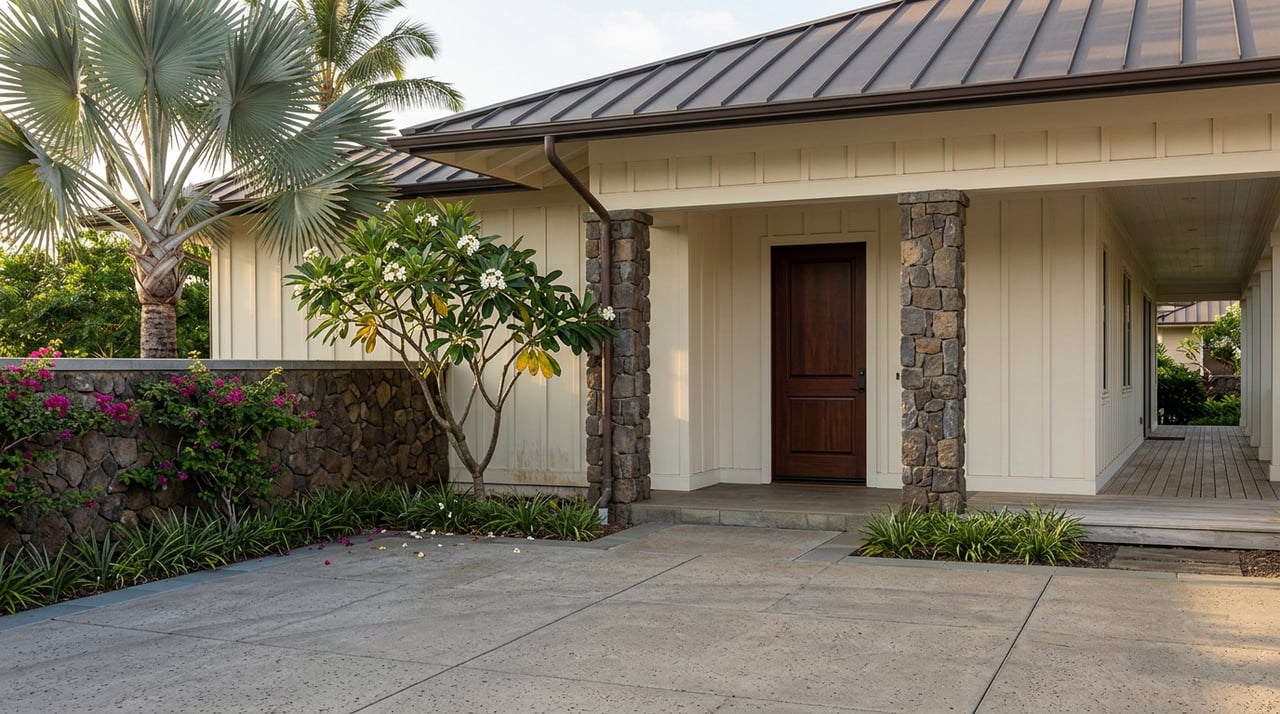
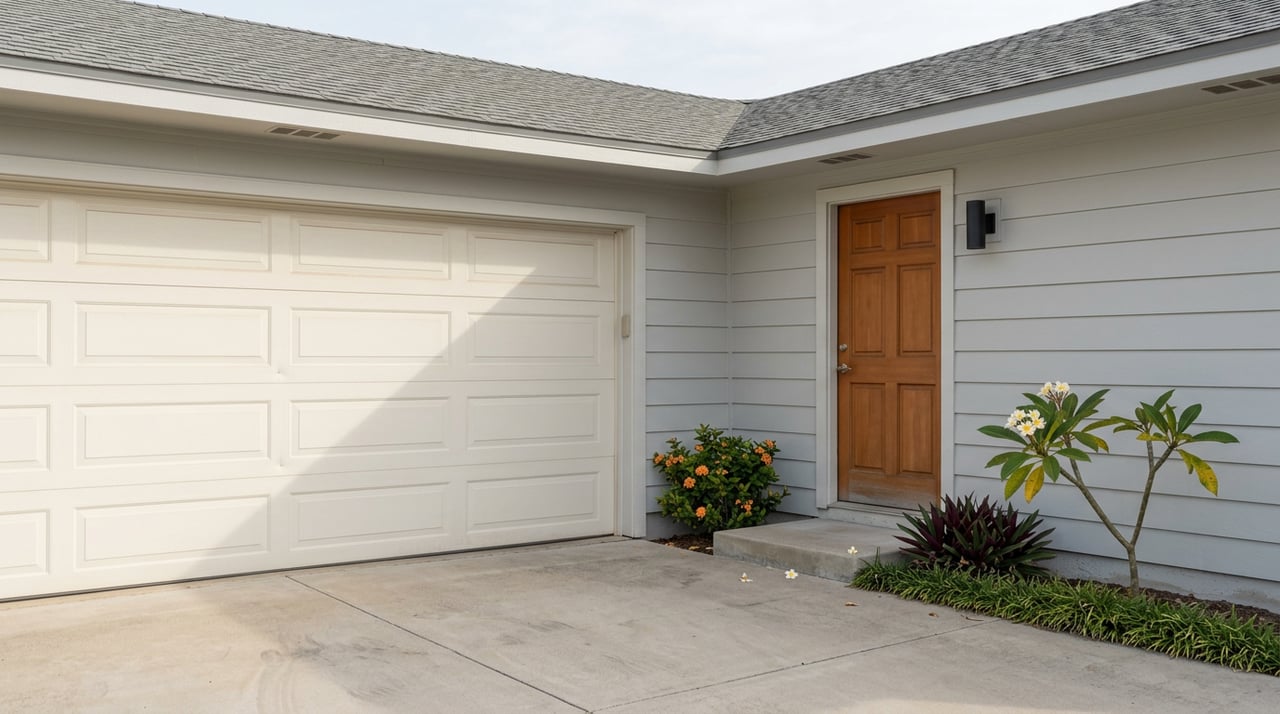
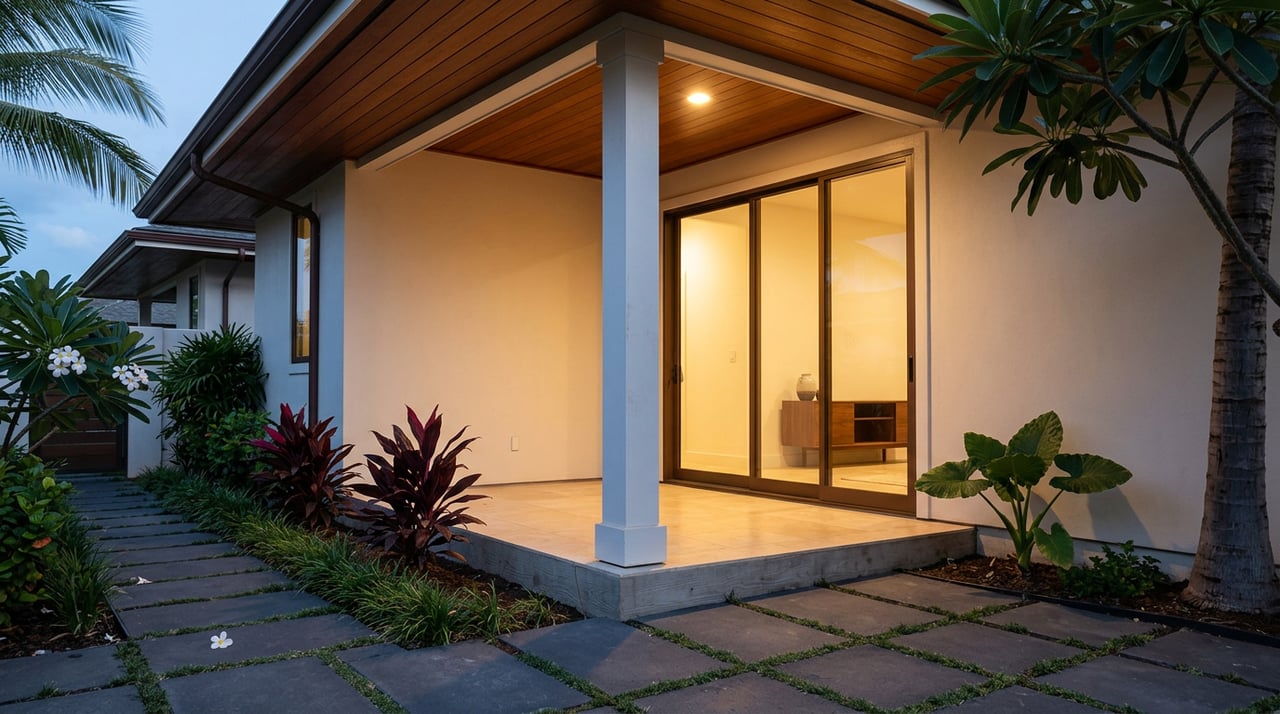
If you own a house, you avoid AOAO dues unless your property sits in a community with an HOA. You are responsible for:
- Full homeowner’s insurance (often HO-3 or similar), which usually costs more than HO-6 because of broader coverage
- Exterior upkeep such as roof, siding, painting, driveways, fencing, and termite control
- Yard care, irrigation, and tree maintenance
- Utilities billed directly, including electricity, water, internet, and trash
- Reserves for major systems, such as roof replacement, septic or drainfield work, and solar or battery replacement if installed
Your financial risk with a home is more variable. You control the timing of projects and service levels, but large repairs and ongoing upkeep can swing your annual total more than a condo.
Shared costs for both
Whether you choose a condo or a house, some costs are the same categories:
- Property taxes set by Maui County. The tax class and available exemptions affect your effective rate.
- Mortgage principal and interest if you finance.
- Insurance, which varies by location and exposure.
- Utilities like electricity and internet, along with trash service if applicable.
Molokai cost factors you should know
Molokai’s rural character and island logistics can change both the size and timing of expenses. Understanding these realities helps you budget with fewer surprises.
Higher goods and labor costs
Shipping increases the cost of building materials, appliances, and many supplies. Skilled trades are limited, which can lead to higher rates and longer scheduling timelines. Repairs, remodels, and roof replacements often cost more than on the mainland, so plan a larger reserve.
Utilities and energy realities
Hawaii generally has some of the highest electricity prices in the country. That affects cooling, water heating, refrigeration, and any heavy electricity use. Some owners explore solar and battery systems to reduce bills. Those systems can lower long-term energy costs, but they come with upfront expenses and island-specific installation rules. Water service varies on Molokai. Some properties use county water, while others rely on rain catchment or wells. Catchment can reduce monthly bills but adds tank, pump, and filtration maintenance. Septic systems are common outside denser areas, and inspections or repairs can be significant line items.
Insurance and weather exposure
Wind or hurricane risk, tropical storms, and flood zones influence premiums and deductibles. Some carriers limit coverage in exposed coastal areas or apply special wind and flood deductibles. In condos, the AOAO master policy may exclude certain per-unit improvements or loss assessments, which is why an HO-6 policy that aligns with the master policy matters.
Termites and pests
Molokai’s tropical environment increases the need for termite and pest vigilance. Owners of both condos and homes should plan for routine inspections and treatments. Ignoring termite issues can lead to costly structural repairs later.
Infrastructure and service limits
Contractors and suppliers are fewer on Molokai, and some areas have limited public services and variable internet options. Permit timelines and inspections go through Maui County, and rural utilities like wells and septic systems can add time and cost to projects.
Market and resale factors
The supply of condos versus single-family homes varies on Molokai. Association rules can affect rental flexibility, and that can shape your cash flow if you plan to rent. Liquidity also depends on demand for your location and property type.
Build your monthly cost estimate
A clear, apples-to-apples estimate helps you compare specific properties. Start with fixed items, add variable utilities, then include a monthly reserve for irregular costs.
Fixed monthly costs
- Mortgage principal and interest
- Property taxes, converted to a monthly amount
- Insurance, annual premium divided by 12. Use HO-6 for condos and homeowner’s coverage for houses.
- AOAO dues for condos
Variable monthly costs
- Electricity. Ask for 12 months of bills from the seller or the AOAO if available.
- Water, sewer, and trash. For catchment, allocate a monthly amount for filter changes, pump servicing, and tank care.
- Internet, phone, and streaming or cable
- Yard service for homes if you plan to contract it
Annual reserves and contingencies
- Maintenance and repairs. A common guideline is 1 percent to 4 percent of property value per year, with older or more exposed properties trending toward the higher end on Molokai.
- Capital items. Allocate for major systems such as roof replacement, septic or drainfield work, and solar or battery replacements if present.
- Pest control. Budget for an annual service contract or periodic inspections.
- Special assessment contingency for condos. Review the AOAO reserve study and minutes to gauge risk.
Example formulas to use
- Condo monthly total: Mortgage P&I + monthly property tax + monthly HO-6 premium + AOAO dues + average electricity + internet + interior maintenance reserve + pest reserve + special assessment contingency.
- Home monthly total: Mortgage P&I + monthly property tax + monthly homeowner’s insurance + average electricity + water or catchment allocation + trash + internet + landscaping service + maintenance reserve + pest reserve.
Use the same assumptions across both properties to compare. If you are evaluating a specific condo, line up the AOAO inclusions with your house costs to avoid double counting items like trash or landscaping.
Due diligence checklist for Molokai
Detailed documents and local data will sharpen your estimate and reduce surprises after closing.
For condos and AOAOs
- Current AOAO dues and the date of the last increase
- AOAO operating budget and financial statements for the past 2 to 3 years
- The most recent reserve study and the schedule of coming capital projects
- Minutes from recent AOAO meetings to spot planned assessments or litigation
- CC&Rs, bylaws, and house rules, including rental restrictions and maintenance responsibilities
- Insurance declarations for the AOAO master policy, including what is covered and excluded
- A history of special assessments and major repairs
For single-family homes
- A recent inspection report with remaining life estimates for roof, electrical, plumbing, and major systems
- Septic inspection and maintenance history where applicable
- Water source details, such as county water versus catchment or well, and any service records
- Termite inspection results and treatment history
- Existing landscaping or irrigation contracts and costs if any
Who to contact for local data
- Maui County offices for property tax parcel details, water rates, and permit records
- The AOAO board or management company for budgets, reserve studies, and dues history
- Local insurance brokers for homeowner’s, wind, and flood quotes and deductibles
- The electricity provider for current rates and to review recent bills and solar interconnection requirements
- FEMA flood resources and Maui County flood zone tools to check flood risk
- Local contractors and property managers for realistic bids and timelines on landscaping, pest control, roofing, and system replacements
- Hawaii Department of Health and Maui County Environmental Health for septic rules and standards
Smart questions to ask
- For condos: Exactly what do dues cover, and what do you pay separately? Are water and trash included? What does the reserve study show, and are reserves fully funded? Any pending assessments or litigation? How often have dues increased?
- For homes: How old is the roof, and what is its expected remaining life? Any history of termite or moisture issues? Is the property on county water or catchment? What is the septic status and service history? What does yard care typically cost in this area?
- For both: What are typical monthly electricity bills? Are there neighborhood or private road fees to plan for?
How to choose what fits your life
Costs matter, but so does how you want to live. Condos can mean lower hands-on maintenance, predictable dues, and amenities. You trade that for shared decision-making through the AOAO and the possibility of special assessments. Homes offer privacy, control, and space to store gear or garden, with more variable maintenance and project management. On Molokai, contractor availability and weather exposure often make the maintenance reserve more important than on the mainland. Pick the mix of predictability, control, and lifestyle that aligns with your goals.
Next steps with a local guide
If you are weighing a particular condo against a home, request the documents above, gather 12 months of utility bills, and line up insurance quotes. Then build your monthly and annual totals using the same assumptions for both options. If you want help reading AOAO budgets, reserve studies, or septic reports, our Maui ohana is here to guide you with practical, local context across Molokai and Maui County. Connect with Brandy Aki to review your shortlist and build a clear ownership plan.
FAQs
Which is cheaper on Molokai, a condo or a home?
- There is no universal answer, since condos add AOAO dues and assessment risk while homes add more variable maintenance and sometimes higher insurance and utility costs; the total depends on the property and your lifestyle.
How do AOAO dues compare to yard and repair costs?
- Dues can replace many exterior costs, landscaping, and some utilities in many complexes, but you need the AOAO budget to see exact coverage; yard and system care for homes can equal or exceed moderate dues depending on property size and service level.
Do condos remove the risk of big repairs?
- They reduce your direct exposure to exterior systems, but you share building costs through dues and potential special assessments, which is why reviewing the AOAO reserve study and meeting minutes is essential.
How much should I set aside for maintenance on Molokai?
- A conservative approach is to budget 1 percent to 4 percent of property value per year, leaning higher for older or exposed properties due to higher island material and labor costs.
Will insurance cost more on Molokai than the mainland?
- Likely yes for coastal or wind-exposed areas, and flood zones can add cost; get quotes from local brokers who understand wind and flood deductibles and carrier limits.
How should I budget for electricity and water on Molokai?
- Expect higher electricity rates than mainland norms, ask for 12 months of bills, and consider the cost and maintenance of solar-plus-battery options; confirm whether water is county supplied or catchment and include maintenance if it is catchment.