
CPR Hawaii Real Estate: Guide for Maui & Pukalani Buyers
November 21, 2025
November 21, 2025
Curious why so many Upcountry lots are sold as “CPR units” instead of traditional lots? You are not alone. If you are shopping in Pukalani or Makawao, you will see CPR mentioned often, and it can raise questions about water, access, financing, and rules. In this guide, you will learn what a CPR is, how it compares to a subdivision, and the key steps that protect you as a buyer or seller. Let’s dive in.
A Condominium Property Regime, or CPR, is a legal structure that splits a single parcel into separately transferable “units,” often with homes or buildable areas, and sets up shared or common elements. These common elements can include driveways, water lines, drainage, open space, and slopes. The CPR is created by recorded documents and a map that show what is private to each unit and what is shared.
A traditional subdivision creates new fee simple lots with public dedication of roads and utilities, and each lot is platted with the county. A CPR keeps everything within one parent parcel, but it creates individually owned units plus shared elements managed by an association. In practice, a CPR is often faster and less costly than full subdivision in Upcountry terrain. It also allows owners to share private infrastructure like wells, septic systems, or farm roads.
A valid CPR will have recorded instruments you can review:
Each unit is conveyed individually, often fee simple to the unit, along with a proportional interest in the common elements. After the CPR records, Maui County typically reflects units in tax and mapping records. You or your agent should confirm how units are identified for taxes and permits and whether the tax classification changes when units are sold.
Look for how the CPR assigns responsibility for roads, drainage, retaining walls, slope stabilization, water and wastewater systems, insurance, and reserves. Check if there is a master insurance policy for common elements and whether owners must carry HO-6 or similar coverage for interiors and liability. Confirm whether rentals are restricted, if there are minimum lease terms, and whether short term rentals are allowed or banned.
Water sources vary across Pukalani and Makawao. Some CPRs have County of Maui water meters, others rely on shared wells or catchment. You want clarity on meter allocation, water rights, and how costs are split among units. For wastewater, most Upcountry properties use septic systems or older cesspools. A CPR may share a septic system or require each unit to maintain its own. Verify permits, as-builts, and whether the system meets current county and state standards. For power and telecom, confirm if meters are separate and how repairs to shared lines are paid for.
Many Upcountry CPRs use private roads or shared driveways. Make sure the CPR establishes legal access easements and a maintenance plan. On steeper parcels, emergency access standards matter for safety and insurance. Look for documented responsibilities for grading, erosion control, and drainage improvements.
Lenders often review CPRs more closely than standalone lots. They look for a clean recorded CPR map, solid governance documents, and insurance in place. Government-backed loans can have extra review. CPR units that look like single family homes can qualify with the right paperwork, but you should start lender conversations early. Ask your agent to connect you with lenders who regularly close Hawaii CPR loans and can provide a condo questionnaire if needed.
In a CPR, there is often a master policy for common elements, plus unit owner policies for the interior and personal liability. In Maui, wildfire exposure affects premiums and underwriting. Ask for the master policy declarations and get quotes for your unit coverage early, including any requirements for defensible space.
Your use rights come from two places: Maui County rules and the CPR’s own CC&Rs. Some CPRs limit short term rentals or set minimum lease terms. Others may have owner occupancy or agriculture-related standards that protect rural character. Always read both the county rules and the CPR documents before you buy.
CPR documents typically describe how real property taxes are handled for each unit. Check how the county will classify the unit and whether that classification changes upon sale or occupancy. Review budgets and meeting minutes to see if there are current dues, plans for major repairs, or any special assessments.
Pros
Cons
Gather these items early in escrow so you can move with confidence:
Coordinate the following checks with your agent and professionals:
Finance and insurance:
Build your professional team:
Contract protections to include:
Pukalani and Makawao have varied topography and microclimates. On steeper sites, engineered drainage, retaining walls, and erosion control should be spelled out in the CPR maintenance plan, with funding to match. Water sources may be mixed, so confirm whether your unit has a county meter, a shared well allocation, or a catchment system. Wastewater rules are evolving, so shared systems need a long term plan for operation and replacement. Given wildfire exposure, look for defensible space requirements and a clear approach to insurance costs and reserves. Many CPRs also include rules that preserve agricultural uses and rural character, so read for livestock, farming, and structure guidelines.
Pre-offer: Ask for the CPR declaration, map, CC&Rs, bylaws, budget, minutes, and insurance declarations. Preview lender and insurance conversations.
Offer: Write CPR specific contingencies for document review, financing, title, and utilities. Set realistic timelines for lender and attorney review.
Due diligence: Order title and survey review, coordinate county and state checks, and obtain insurance quotes. If shared systems exist, schedule inspections.
Final loan and title: Satisfy the lender’s condo or CPR checklist and confirm title insurance for the unit.
Closing and handoff: Confirm CPR recordation if new, association transition plans, initial reserves, and utility transfers.
If you own a larger Upcountry parcel, CPR can be a practical way to create individually owned homesites while keeping shared driveways, slopes, or open space under one set of rules. It can reduce time and cost compared to subdivision, but it also adds association duties and shared maintenance. The best results come when you plan for water, wastewater, access, drainage, reserves, and insurance early, so buyers and lenders see a well run project.
Whether you are buying your first home or evaluating a small development, you deserve clear guidance and a steady local partner. Our family brokerage can help you gather CPR documents, coordinate the right professionals, and structure a contract that protects you from surprise costs or delays. If you want to talk through a specific property or a CPR plan for your parcel, reach out to Brandy Aki. We are here to help.

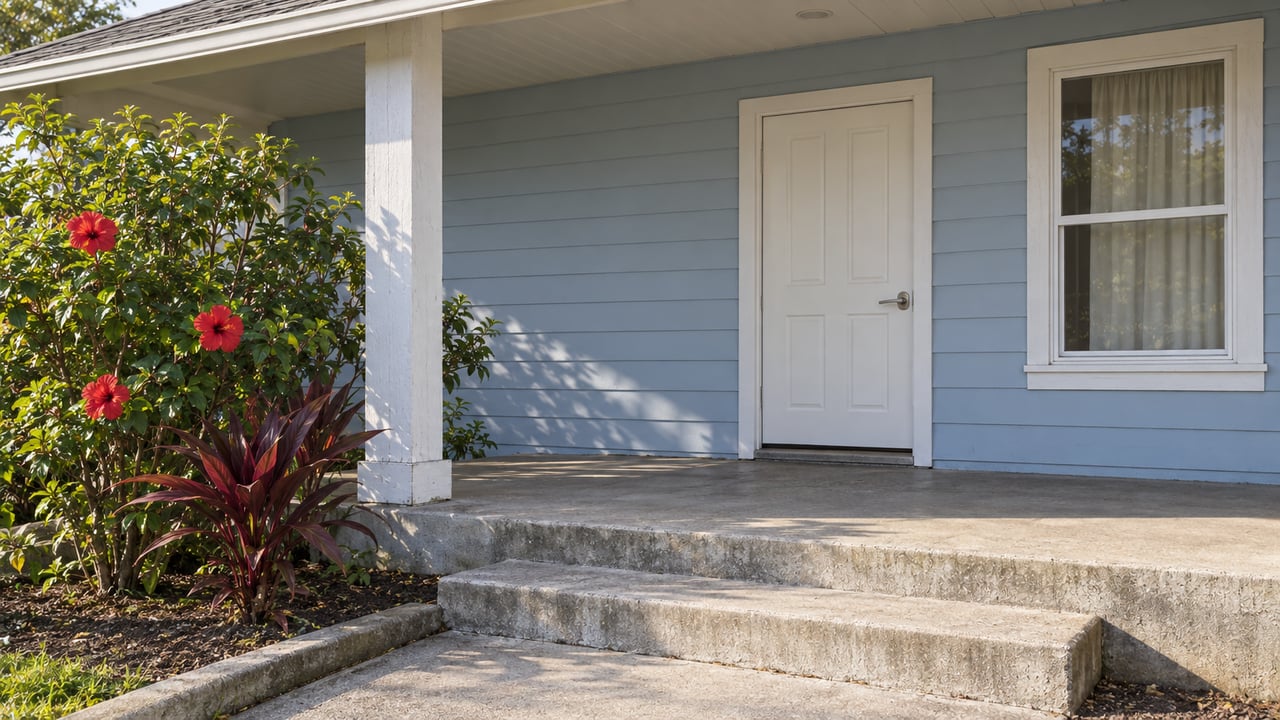

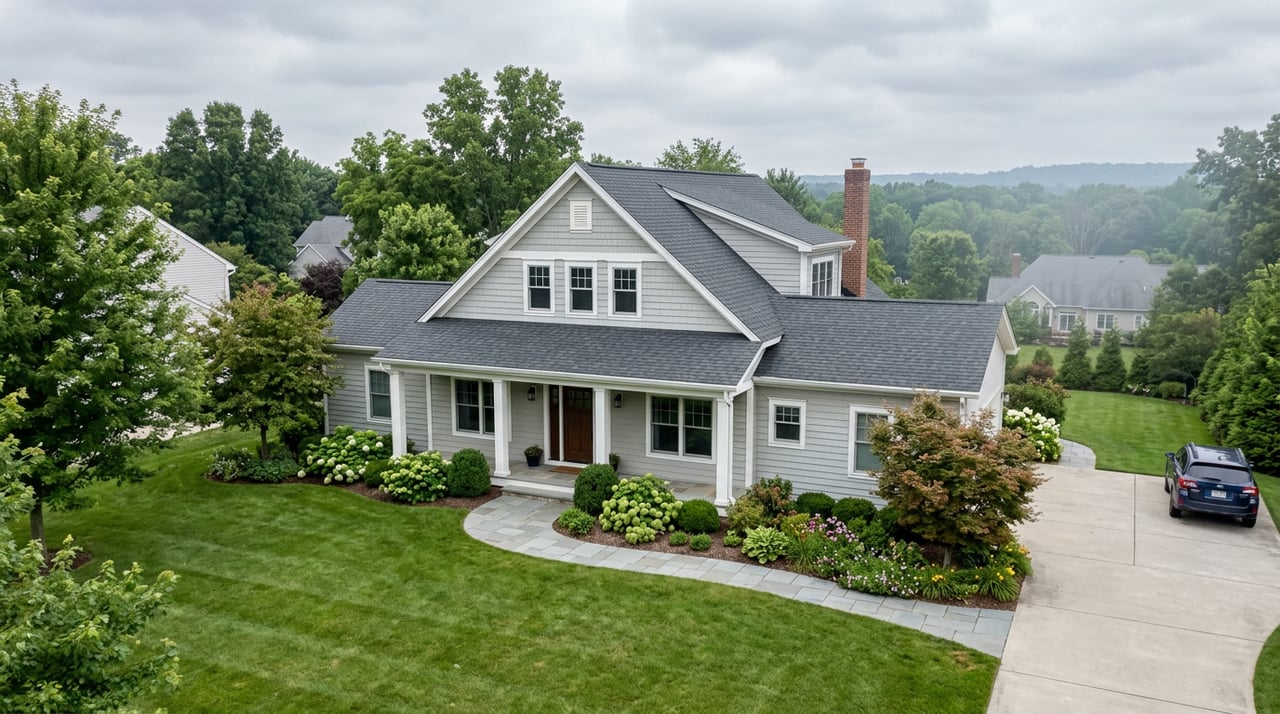
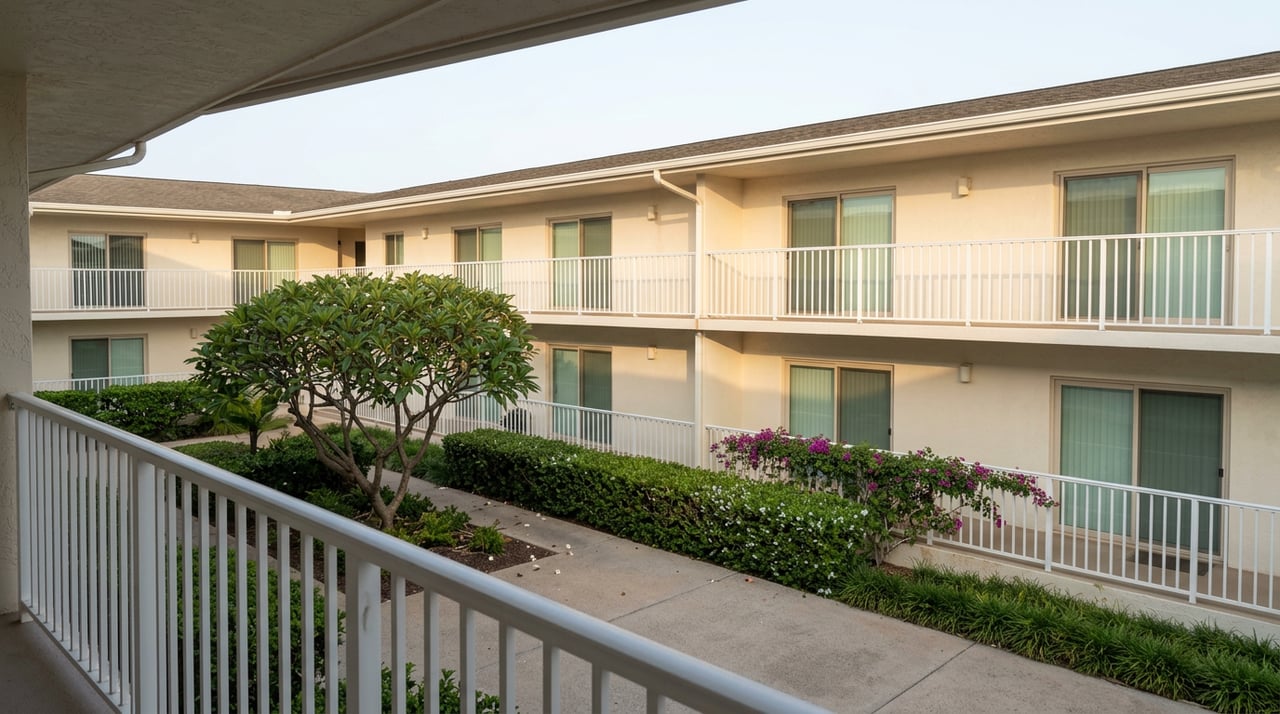
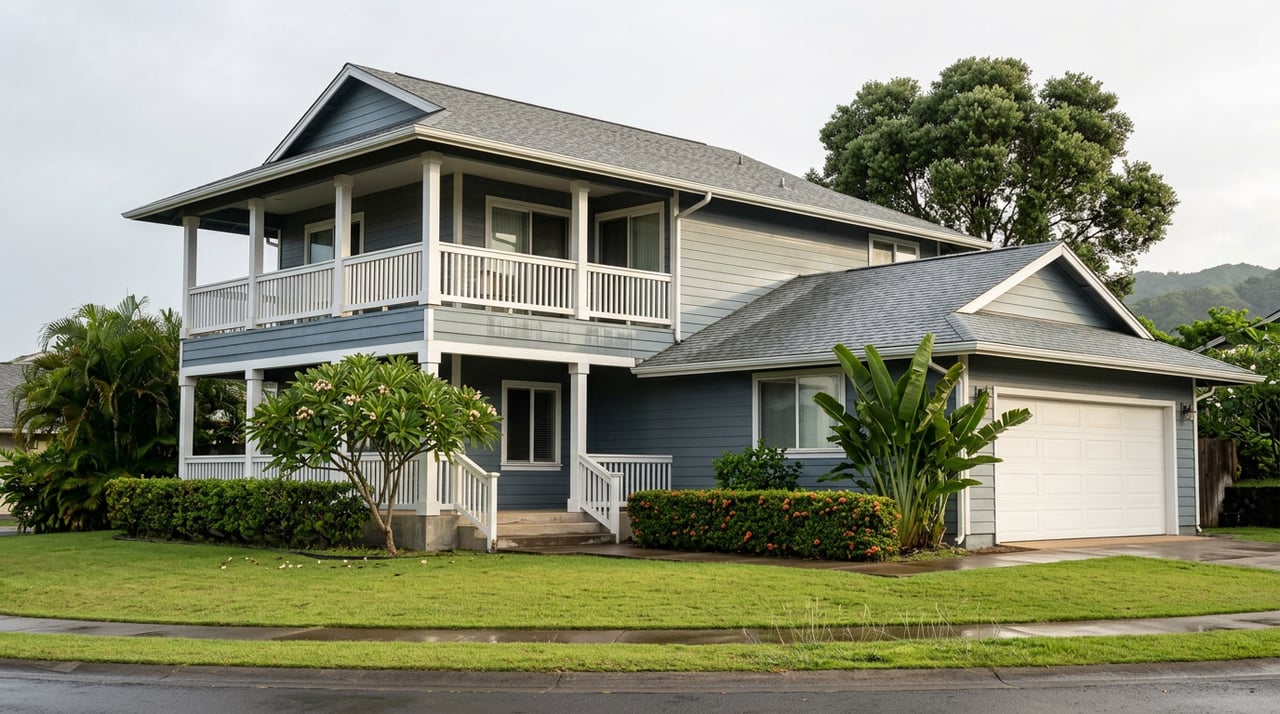
The possibilities in Maui real estate are boundless, whether you are looking to settle permanently in a Maui home or perhaps part time in a condo that you can rent out for the rest of the year. If you want to build, you will find a myriad of beautiful vacant land listings to choose from.