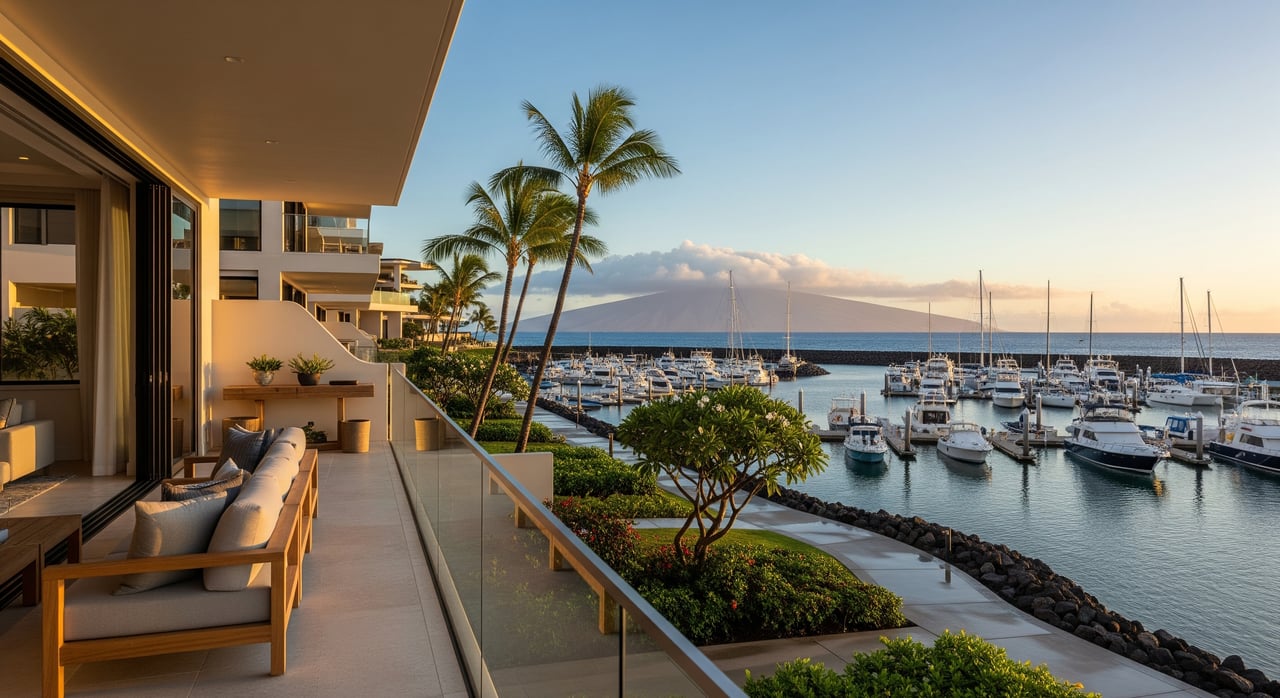
Maalaea Condos Market Guide for Harborfront Buyers
December 18, 2025
December 18, 2025
Thinking about a condo where boats glide past your lanai and whale-watching tours are steps away? If Maalaea Harbor has caught your eye, you are not alone. Buyers love the central location, ocean views, and easy access to marine adventures, but harborfront living also comes with unique rules, risks, and costs. In this guide, you will learn how the Maalaea market works, which amenities matter most, what to check in HOA documents, and how to budget for insurance and maintenance. Let’s dive in.
Maalaea sits between Kahului and Kihei on Maui’s southern coast, making it a central, low-key base for island life. The Maalaea Small Boat Harbor is a launch point for fishing charters, snorkel trips, and whale-watching tours, and it is next to the popular Maui Ocean Center. For harbor operations and policies, review county details through the Maui County site.
You will not find resort-scale towers in Maalaea. Instead, the area offers intimate oceanfront buildings where the appeal is all about views, walkability to the harbor, and a relaxed pace.
Inventory tends to be limited and concentrated in low-rise buildings. You will see studios and 1-bedrooms that make a great island base, along with 2- or 3-bedroom homes that can work for longer stays or full-time living. Smaller complexes and occasional townhouse-style units are more common than high-rises.
Most buildings are 1 to 3 stories with simple, island-style layouts. Elevators may not be present in every complex, so confirm accessibility needs early. Parking can be open or covered, and some communities include secure storage for beach and boating gear.
Many buildings date back several decades. Expect a mix of updated and original interiors, plus salt-air wear on metal fixtures and exterior systems. Factor in exterior maintenance, balcony condition, and concrete spalling checks during inspections.
Amenities often drive pricing and desirability as much as square footage. As you compare properties, look closely at:
If you plan to keep a boat or rely on charter access, proximity to the dock and slip policies can be a deciding factor.
Humpback whale season typically runs from December through May, with activity peaking around January to March. That seasonal draw boosts charter traffic and vacation occupancy near the harbor. For background on the sanctuary that protects these visitors, explore the NOAA Office of National Marine Sanctuaries, and for a sense of local marine tour operations, see the Pacific Whale Foundation.
Tourism seasonality can influence nightly rates and occupancy for short-term rentals. If renting is part of your plan, confirm current Maui County rules and minimum-stay requirements before you buy.
In Maalaea, the HOA often determines your day-to-day experience and long-term costs. Budget time during escrow to review the full packet and ask questions.
Key documents and topics to request early:
A well-funded reserve and transparent maintenance plan can reduce surprises and help with lender approvals.
Oceanfront exposure means a different inspection focus. Build in time for specialized evaluations and get bids if repairs are likely.
If a dock or slip is part of your purchase, confirm maintenance schedules and costs through the HOA and any separate harbor agreements.
Harborfront properties lie in areas where flood and tsunami risk must be understood, priced, and insured properly. Start with official maps and tools:
Also ask about tsunami evacuation zones and posted routes. Your insurer and lender will use these datasets to price risk.
Coastal condos often require layered coverage. Standard policies may exclude flood and certain wind or hurricane events, so plan for separate policies and higher premiums.
Build a full carry-cost picture that includes:
Verify insurance quotes early, especially if a lender will require specific coverage limits.
Maui County regulates where and how short-term rentals can operate, and policy has changed over time. Confirm current permitting and operating rules with the county’s Planning Department on the Maui County site before you rely on rental income.
If you do operate short-term rentals, Hawai‘i requires registration and payment of both Transient Accommodations Tax and General Excise Tax. Review the latest guidance at the Hawaii Department of Taxation.
Slip availability varies by building and is sometimes managed outside the HOA. Ask whether slips are deeded or assigned, what fees apply, and if guest use is allowed. Some arrangements may involve county or private operators, which adds separate agreements and costs.
For broader harbor context and policies, start with the Maui County site, and confirm any slip or mooring terms referenced in the condo disclosures.
Waterfront buildings can face extra lender scrutiny, especially small HOAs or communities with limited reserves. Get pre-approved with a lender experienced in condos and coastal properties and confirm the building’s eligibility.
A typical high-level timeline looks like this:
If a slip transfers with the unit, allow time for paperwork and any separate fees or approvals.
Your early research can save you time and money. Start with a seasonal visit, then request the documents that matter.
On your first visit:
Request these items early:
Confirm title to the unit, parking, storage, and any slip or mooring rights. Ask about public access paths, historic shoreline easements, and conservation rules that could affect use. For statewide shoreline and conservation guidance, see the Hawai‘i Department of Land and Natural Resources.
Buying a Maalaea harborfront condo is as much about lifestyle as it is about due diligence. If you love the idea of morning coffee with boat views, snorkeling at daybreak, and a central, low-key base, this pocket of Maui delivers. Set your expectations on HOA rules, inspections, and insurance, and you will be ready to act when the right unit appears.
If you want a local, full-service partner to guide you through the process and help manage your property after closing, connect with Brandy Aki. Our Maui Ohana will walk you through the details, from showings and offers to rentals and long-term stewardship.
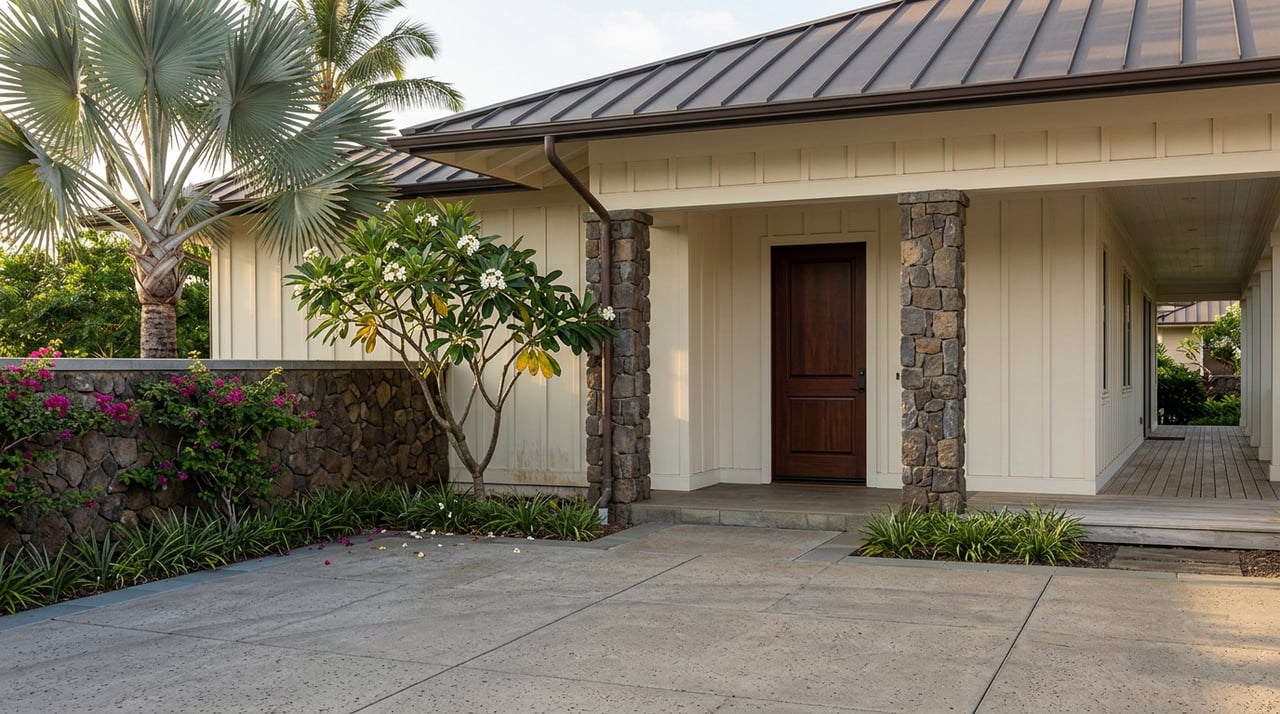
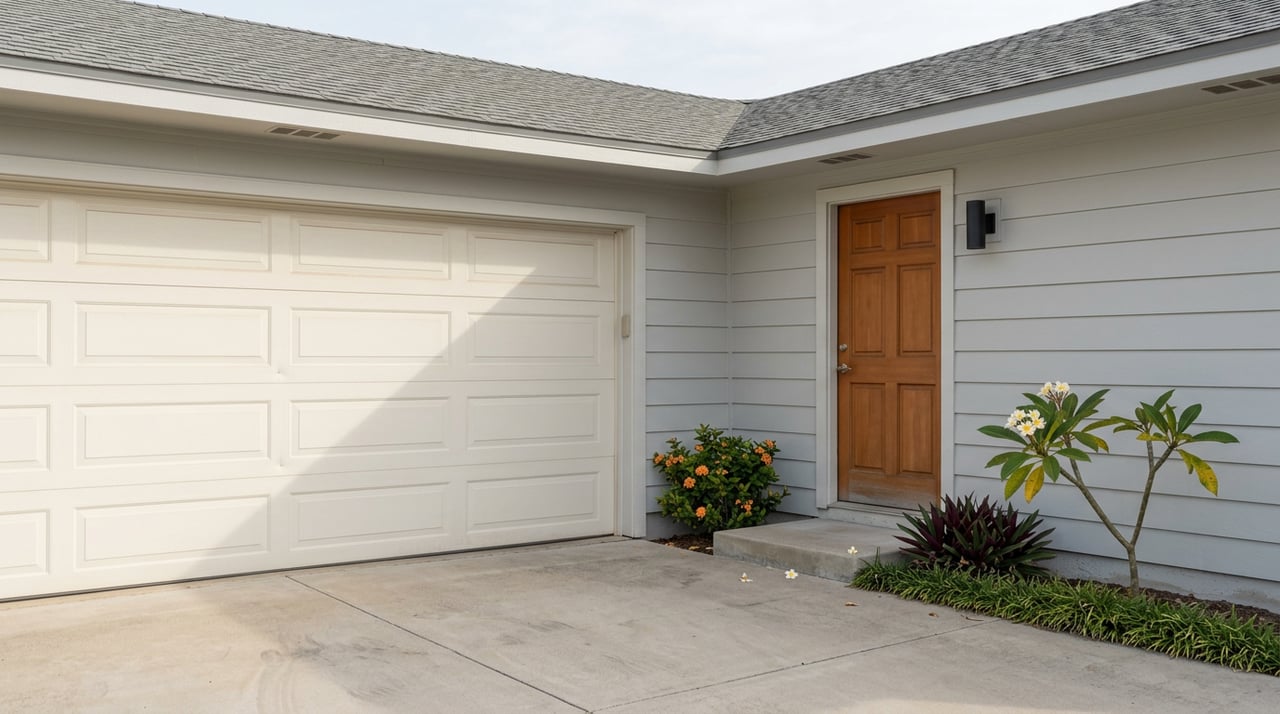
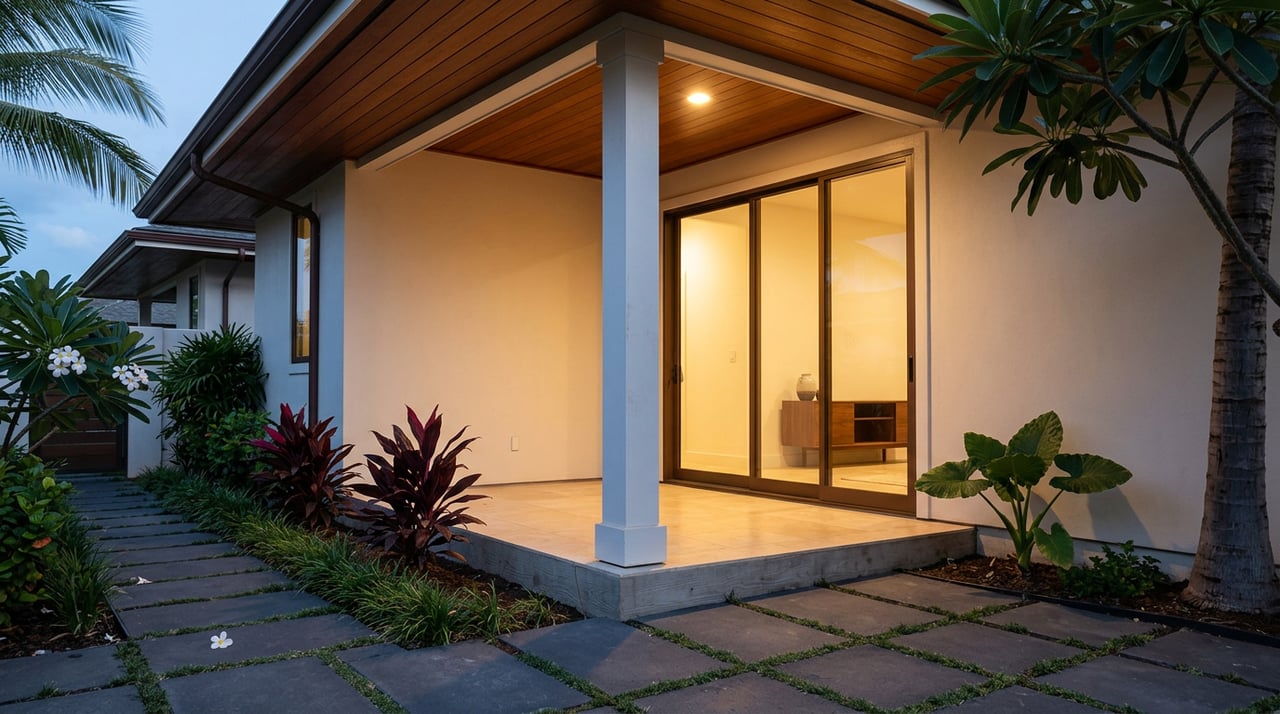
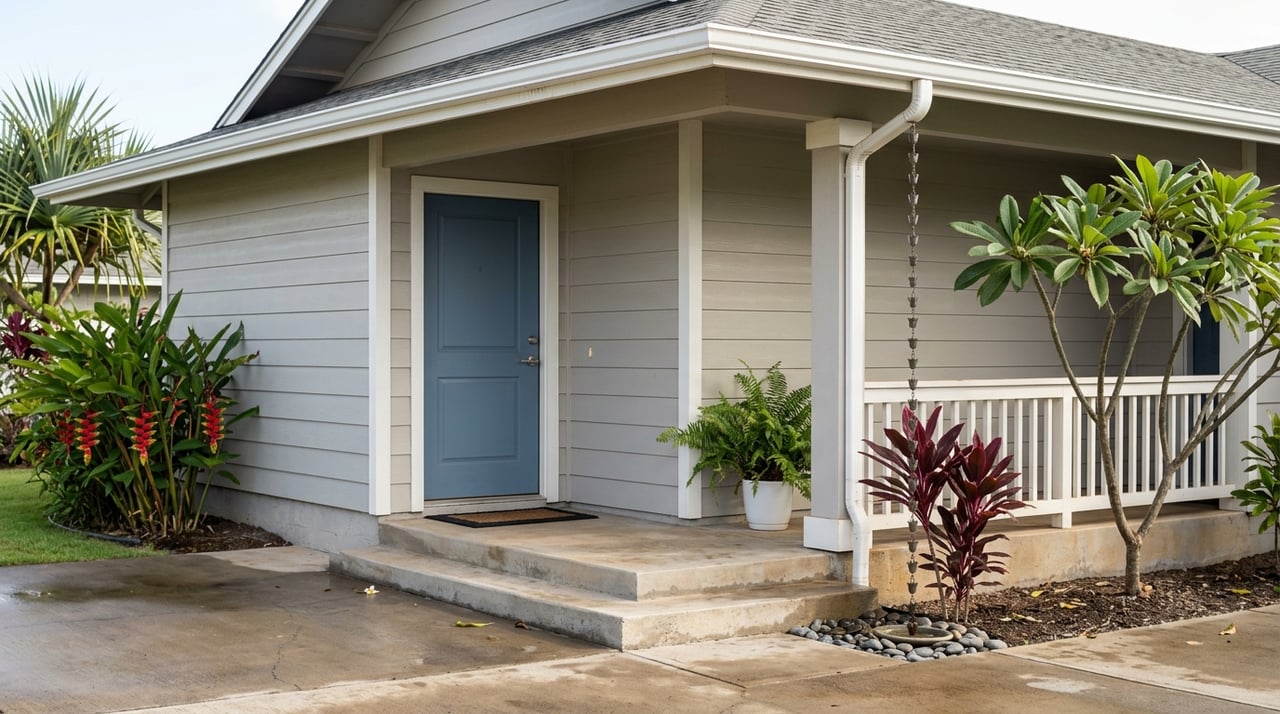
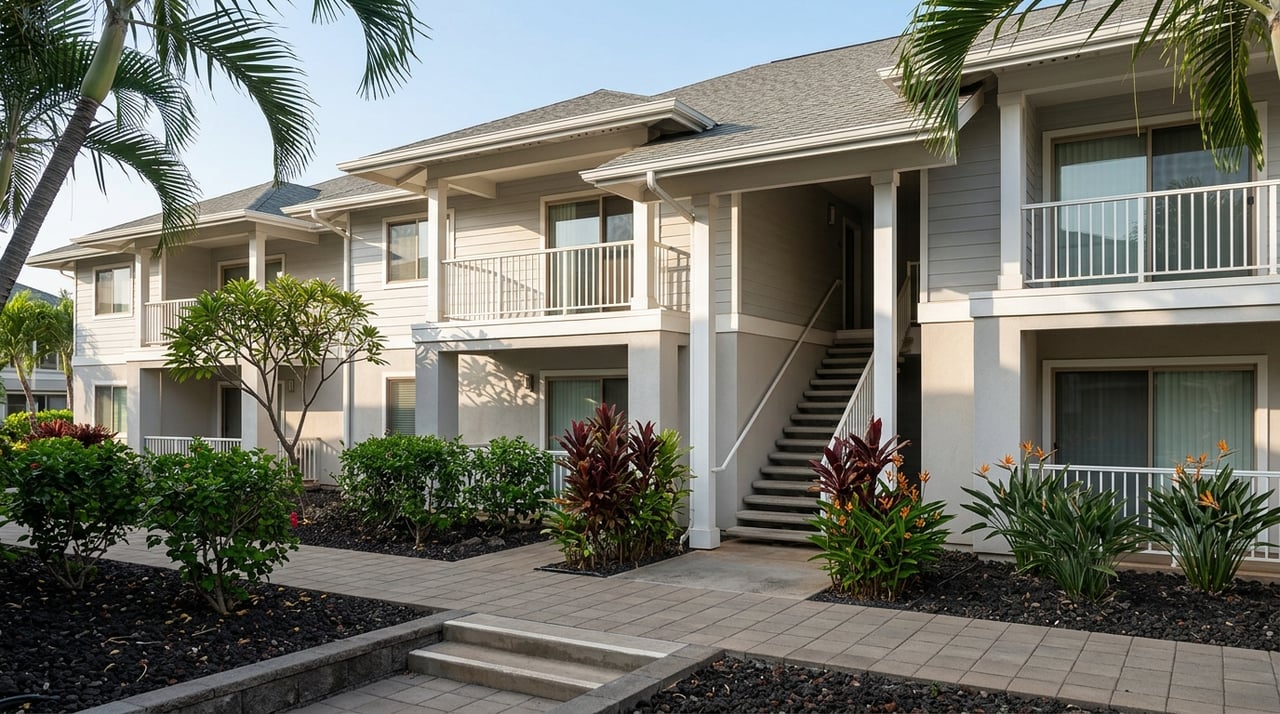
The possibilities in Maui real estate are boundless, whether you are looking to settle permanently in a Maui home or perhaps part time in a condo that you can rent out for the rest of the year. If you want to build, you will find a myriad of beautiful vacant land listings to choose from.