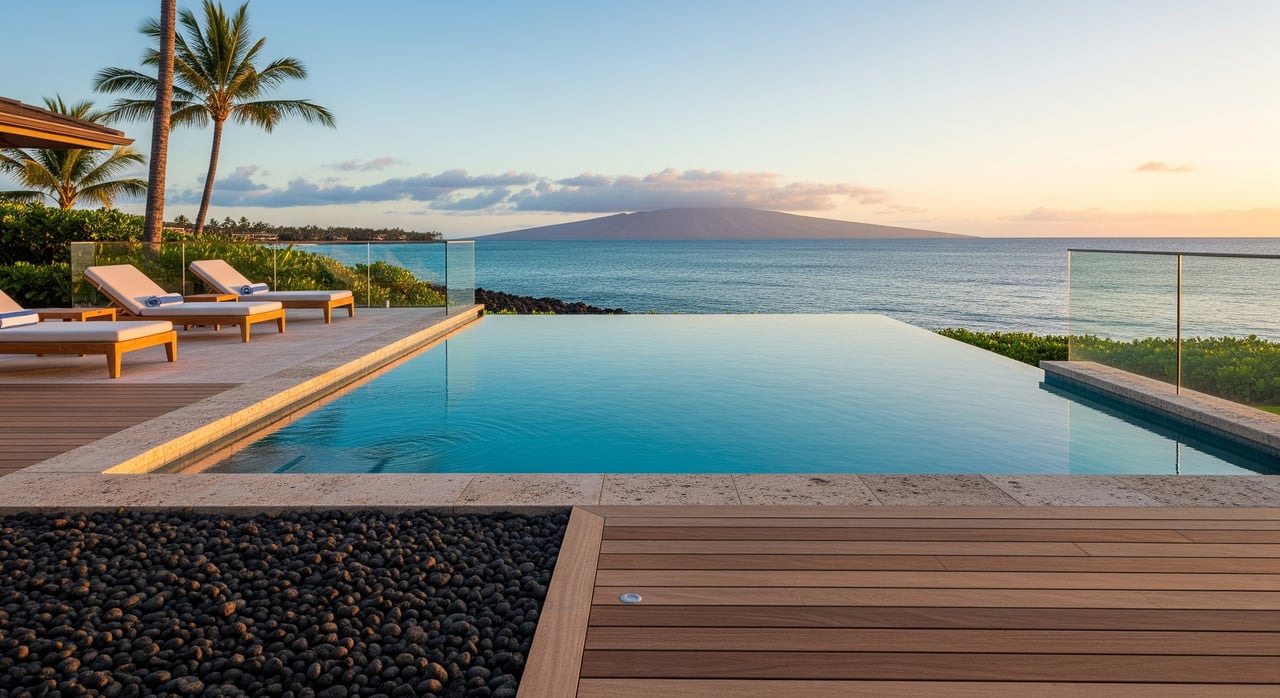
Imagine waking up to glassy water, sea turtles in the cove, and sunset views that stop you in your tracks. If you are considering oceanfront living in Makena, you are drawn to privacy, natural beauty, and instant access to South Maui’s best beaches. You also want a clear picture of the true costs, the rules, and the upkeep that come with owning on the shoreline. This guide lays out the lifestyle, property types, recurring expenses, risks, and due diligence steps so you can move forward with confidence. Let’s dive in.
Why Makena oceanfront appeals
Makena sits just south of Wailea and southwest of Kihei, along a dramatic stretch of South Maui coastline. You get year-round warm weather, clear water for snorkeling and paddleboarding, and easy access to resort dining, spas, golf, and boating in nearby Wailea and Maalaea. The vibe is low density and exclusive compared with busier resort towns.
Privacy is a major draw. Many homes are tucked behind gates or hedges, with generous outdoor living spaces oriented to the ocean. That said, public beaches and trailheads bring daytime activity. If you value seclusion and a quiet evening scene, you will want to consider where a property sits relative to well-known access points.
Beach and water access
Direct beach and ocean entry define the Makena experience. You can swim before breakfast, watch seasonal surf, and head out for a sunset paddle with minimal planning. Trade winds and occasional large surf are part of life here, so plan your water time around conditions and safety.
Resorts and nearby amenities
If you choose a residence within or adjacent to resort communities, you may enjoy on-site services like concierge, pools, dining, and spa access. Private estates trade those amenities for maximum autonomy. Either way, you are close to South Maui’s restaurants, shopping, and service providers.
Community and character
Makena combines beachfront estates, a limited number of luxury condo and resort residences, and some inland homes with sweeping views. Compared with central Kihei, it is lower density. Night and day feel different here: calm evenings, daytime visitors near popular beaches, and postcard sunsets you will never forget.
Property types in Makena
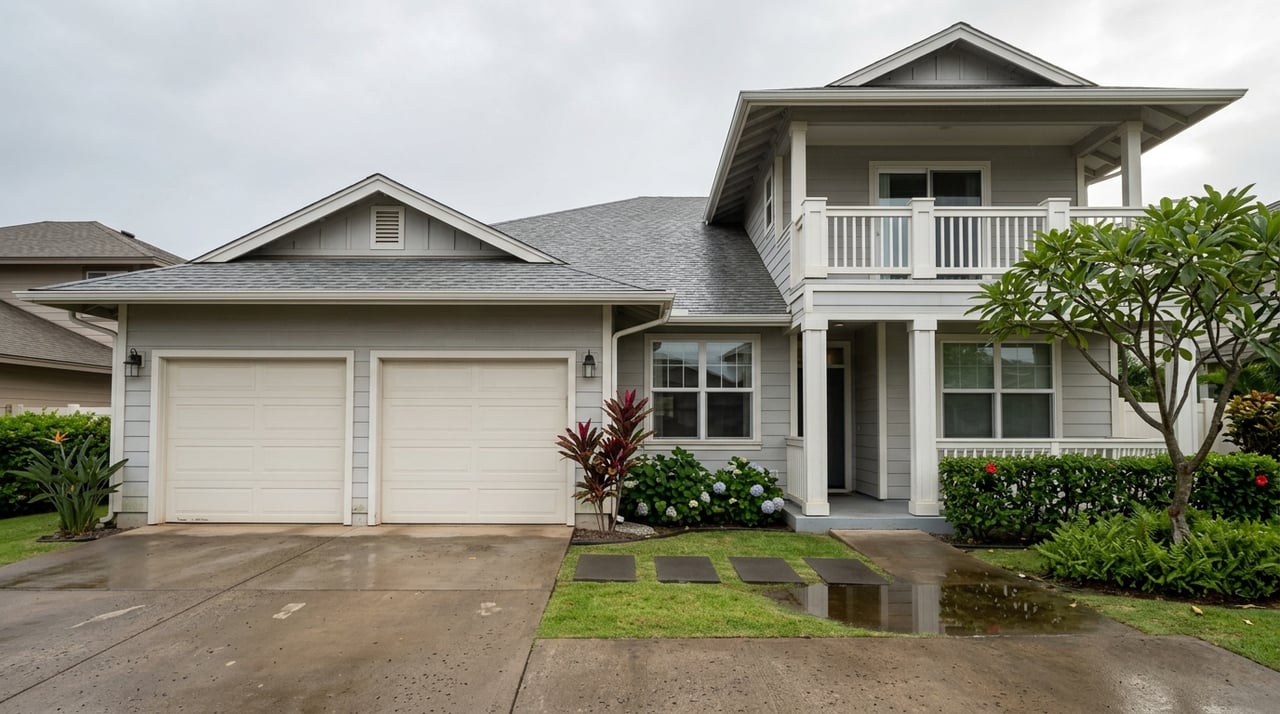
Oceanfront estates and single-family homes
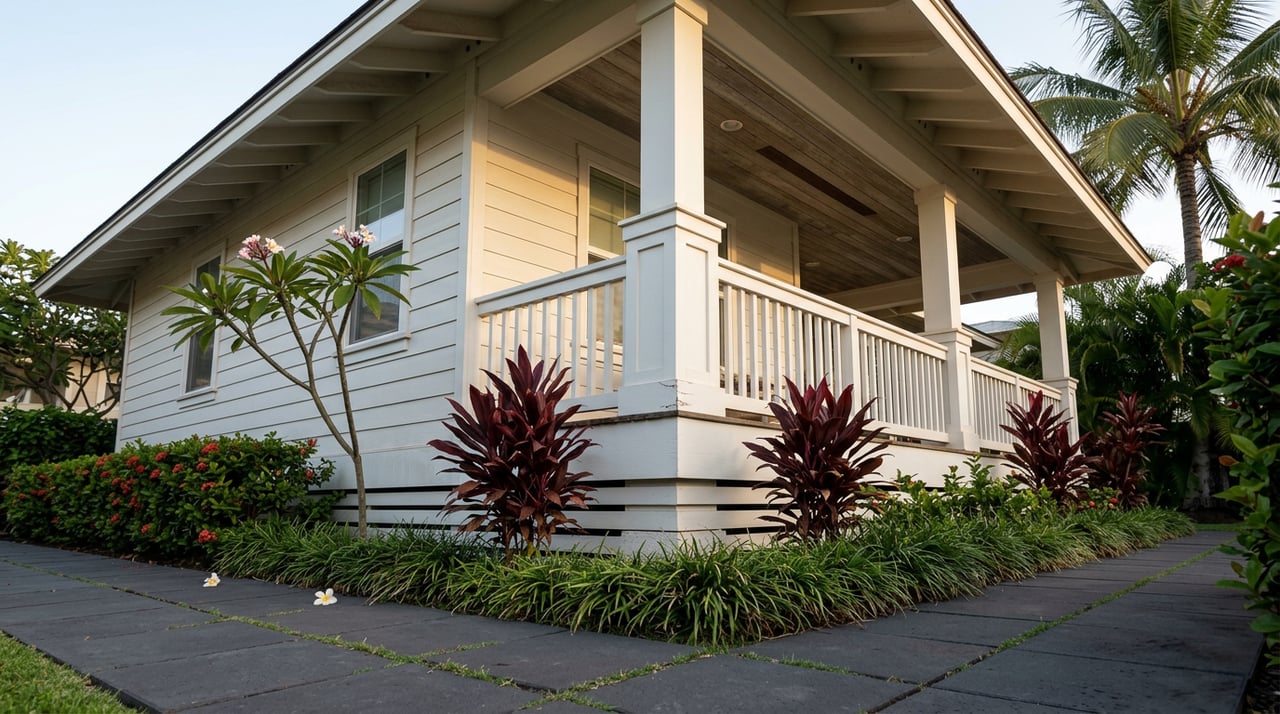
These properties sit directly on the shoreline with custom architecture, high-end finishes, and sprawling lanais. They offer privacy and uninterrupted views. Expect close attention to materials and systems built for the marine environment.
Luxury resort condos and residences
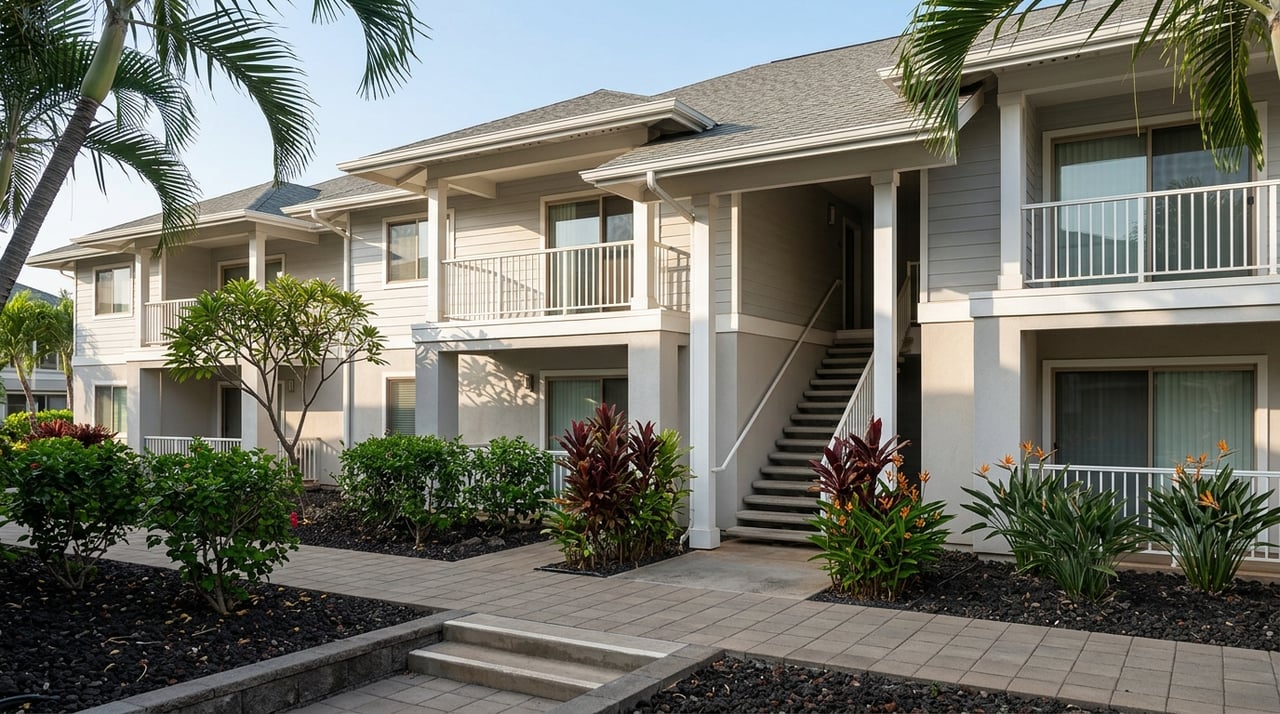
Condo and resort homes can include on-site management, security, and optional rental programs where allowed. Monthly fees are usually higher because they cover staffing, landscaping, shoreline care, amenities, and long-term reserves for ocean-exposed systems.
Inland homes with ocean views
If you want the Makena lifestyle at a lower price point than direct oceanfront, inland homes with panoramic views are an option. You still get quick access to beaches while dialing back costs and exposure to salt and surf.
Market posture to expect
Makena oceanfront sits firmly in the luxury tier, with multi-million dollar pricing common and the top shoreline estates reaching the high end of the market. True oceanfront inventory is typically scarce. Listings may sell off-market or move through private networks, which supports pricing stability at the top. Buyers include U.S. mainland and international second-home owners, investors evaluating resort rental potential where permitted, and full-time residents who prize privacy.
Short-term rental rules differ by Maui County zoning and by HOA or resort policies. If rental income is part of your plan, verify local ordinances and the property’s governing documents early.
What it really costs to own
Owning oceanfront anywhere comes with higher recurring expenses. In Makena, plan for the following categories.
- Mortgage or cash: Jumbo financing and cash purchases are common in luxury segments. Loan terms for second homes or non-owner occupants differ from primary residences.
- Property taxes: Hawai‘i’s nominal tax rates are moderate compared with many states, but Makena assessments are high. Check the Maui County Real Property Tax Division for current rates and exemptions for primary residences.
- HOA or condo fees: Fees vary widely. Boutique associations may be modest. Large resort communities with staffing, pools, shoreline maintenance, and elevators can reach thousands of dollars per month.
- Utilities and services: Electricity on Maui is typically higher than mainland averages. Oceanfront landscaping and exterior lighting can add to monthly costs. Some properties use septic systems.
- Maintenance and replacements: Salt air, wind, and sun accelerate wear. Many advisors suggest budgeting 1.5% to 3% of home value annually for maintenance on luxury oceanfront homes, though individual needs vary.
- Insurance: Expect higher premiums and stricter underwriting for oceanfront. You may need homeowners, wind or hurricane coverage, and separate flood insurance depending on FEMA maps.
- Property management and care: Second-home owners often use managers for housekeeping, maintenance coordination, and rental operations where allowed. Build in a monthly or percentage fee if you plan to rent.
- Special assessments and reserves: For condos and resorts, review the latest reserve study. Oceanfront environments can speed up capital projects like roofing, seawalls, and pool systems.
Insurance and risk planning
Insurance is a key part of oceanfront ownership. Availability, deductibles, and price depend on property elevation, distance to the high-tide line, and mitigation measures.
- Coverage types: Budget for homeowners or hazard insurance, plus wind or hurricane coverage. Separate flood policies may be required in FEMA flood zones.
- Get quotes early: Request quotes before you go under contract so you understand premiums, named-storm deductibles, and any carrier requirements.
- Mitigation helps: Features like hurricane-rated windows, reinforced roofing, storm shutters, elevated utilities, and properly secured outdoor structures can improve insurability and may reduce premiums.
- Private flood insurance: In some cases, private flood policies may be needed or offer better terms than national programs. Work with brokers who know Hawaiian coastal properties.
Maintenance must-knows for oceanfront
Salt, wind, and UV exposure drive a different maintenance rhythm than inland homes. Plan for preventive care and faster replacement cycles.
- Salt corrosion: Metal railings, fasteners, lighting, and AC coils corrode faster near the ocean. Use marine-grade materials and inspect on a set schedule.
- Roofing and flashing: Wind uplift and salt shorten roof life. Schedule regular inspections and keep flashing, sealants, and tie-downs in top shape.
- Exterior finishes: Stucco, paint, and wood decking need more frequent coating and repairs. Coastal-grade paints and finishes are worth the investment.
- Landscape and shoreline care: Choose native, erosion-resistant plants. Understand any protections on beach vegetation and avoid unpermitted shoreline work.
- Termites and pests: Warm coastal climates have high termite pressure. Build in inspections and treatments as routine line items.
Regulations and shoreline rules
Makena’s shoreline brings extra permitting layers. Understanding them early helps you avoid surprises and plan responsible stewardship.
- SMA and zoning: Maui County Planning and Building oversee coastal development rules, shoreline setbacks, and Special Management Area permits. Some projects require additional review.
- State oversight: Hawai‘i’s Department of Land and Natural Resources and the Coastal Zone Management Program guide public shoreline access, beach preservation, and approvals for shoreline hardening like seawalls.
- Federal frameworks: FEMA flood maps affect construction elevations and insurance. Certain coastal work can involve the Army Corps of Engineers.
- Associations and covenants: HOAs and resorts regulate renovations, exterior changes, and rental programs. Review CC&Rs carefully.
- Short-term rentals: Maui County has actively regulated short-term rentals in recent years. Confirm current ordinances and any moratoria or registration requirements before assuming income.
Smart due diligence checklist
Do focused homework before you write an offer so you understand risk, cost, and future flexibility.
- Order a coastal hazards report: Confirm FEMA flood zones, historical erosion, and sea-level rise exposure using NOAA and state resources as starting points.
- Review HOA and reserves: Request full documents and the most recent reserve study to assess budgets, upcoming projects, special assessments, and rental rules.
- Verify shoreline boundaries and access: Hawai‘i defines the public shoreline, and the wet sand area is typically public. Confirm what is and is not included with your lot.
- Get insurance quotes: Price hazard, wind or hurricane, and flood coverage based on the exact property.
- Check permits and history: Verify permits for any seawalls, major repairs, or renovations. Look for unpermitted work that could impact insurance or future plans.
- Hire oceanfront-savvy inspectors: Choose inspectors and contractors who understand salt-air corrosion, wind mitigation, and marine impacts on structures and systems.
- Consult a coastal engineer: If erosion or shoreline structures are factors, get a property-specific assessment.
Daily practicals to consider
Oceanfront Makena balances privacy with distance to everyday services. You are close to Wailea and Kihei for groceries, dining, and professional services, but you will still plan some trips with intention. Between seasonal trade winds and occasional large surf, you may adjust your schedule for beach time, boating, or yard work. The reward is a daily rhythm built around the water and the sunset.
Who Makena fits best
Makena works well if you value privacy, direct beach or ocean access, and a luxurious yet low-key setting. It is a natural fit for second-home owners and for full-time residents who want an outdoor lifestyle and are comfortable with the added maintenance and insurance that come with the shoreline. Investors exploring rentals should confirm that both county rules and association policies permit their intended use.
Putting it all together
Living oceanfront in Makena delivers an extraordinary lifestyle: sunrise swims, quiet mornings, and front-row sunsets. With that beauty comes responsibility. Higher maintenance, thoughtful insurance planning, and careful attention to county and state rules are part of long-term stewardship on the shoreline. If you approach your search with clear eyes and a solid plan, you can enjoy the magic of South Maui while protecting your investment.
If you want local guidance from a family team that also supports owners with property management and rental operations, reach out to our Maui ohana. Connect with Brandy Aki to talk through neighborhoods, due diligence, and a plan that matches your goals.
FAQs
Do oceanfront owners “own” the beach in Makena?
- In Hawai‘i, the public shoreline is defined by state rules, and the wet sand area is typically public. Always verify shoreline boundaries and access during due diligence.
How much more does insurance cost on the shoreline?
- Premiums are usually higher for oceanfront and depend on elevation, distance from the high-tide line, and mitigation measures. Get quotes for homeowners, wind or hurricane, and flood coverage early in the process.
Can I build or repair a seawall at a Makena property?
- Shoreline hardening often requires approvals and may be limited. State and county agencies typically favor non-structural solutions where feasible. Confirm permitting with DLNR and Maui County before planning any work.
Are short-term rentals allowed for Makena oceanfront homes or condos?
- Rules vary by Maui County zoning and by HOA or resort policies. Review local ordinances and the property’s governing documents before assuming rental income.
What special maintenance should I expect for an oceanfront home?
- Plan for faster corrosion of metal, more frequent exterior painting or sealing, roof inspections after storm seasons, proactive termite treatment, and regular servicing of AC and outdoor fixtures due to salt air and wind.